Category: Uncategorized

  • Pregnancy Portrait Styling Tips That Photograph Beautifully

    Pregnancy Portrait Styling Tips That Photograph Beautifully

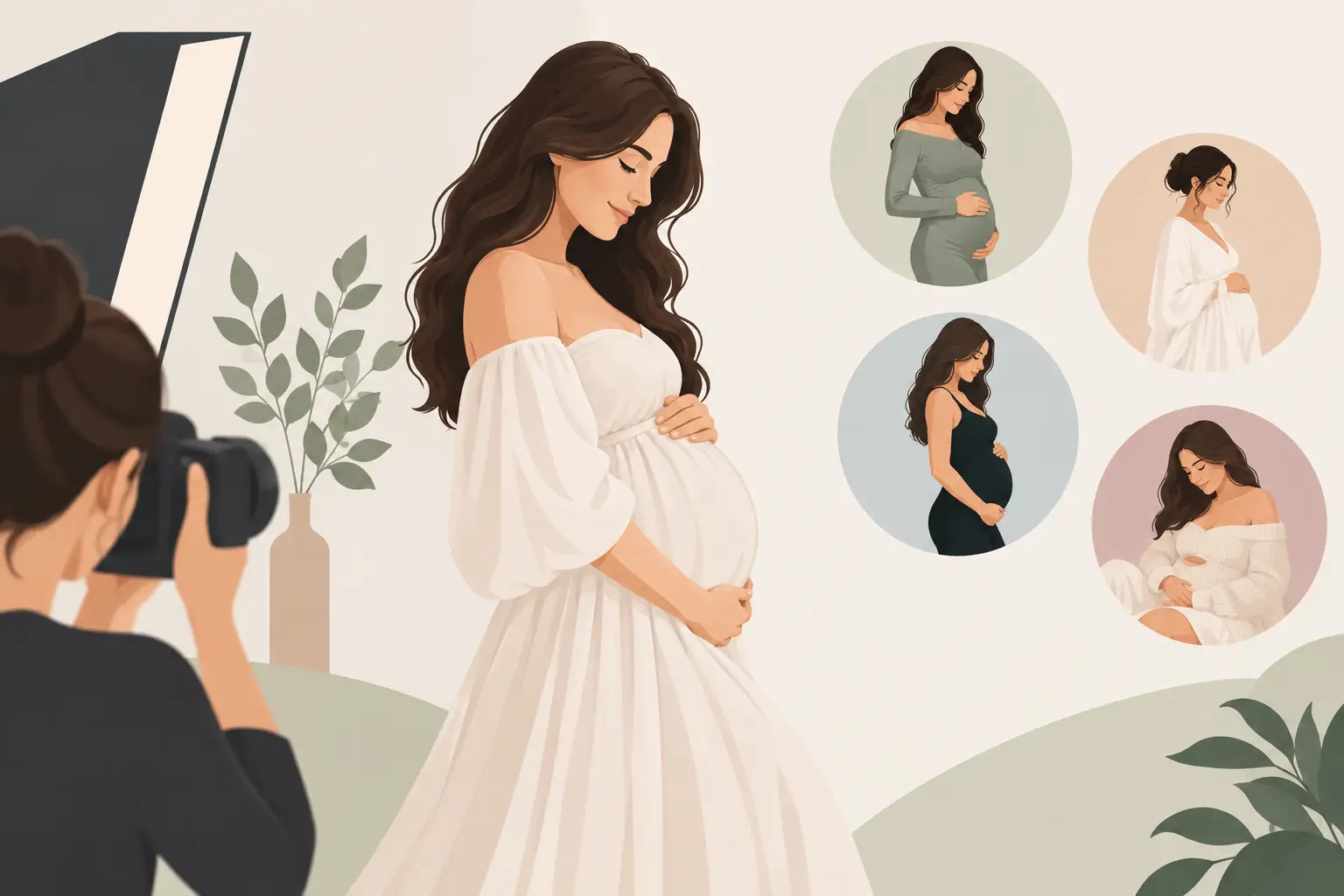
    A maternity portrait should feel like more than a record of how far along you were. It should reflect the anticipation, strength, and unmistakable beauty of this chapter. The most effective pregnancy portrait styling tips begin with one guiding principle: choose pieces that make you feel elegantly like yourself, then allow expert posing, light, and direction to reveal the rest.

    There is no single right way to dress for maternity portraits. A sculptural fitted gown can celebrate your changing silhouette with confidence, while soft fabric and movement can create a more romantic, editorial feeling. The goal is not to follow a trend for its own sake. It is to create imagery you will treasure for a lifetime because it still feels true to you.

    Pregnancy Portrait Styling Tips for a Refined Look

    Start with the feeling you want to preserve

    Before selecting a dress, consider the emotion you want your portraits to hold. Do you picture something dramatic and fashion-forward? Soft and intimate? Timeless enough to display in your home decades from now? Your answer will shape every styling decision, from fabric to jewelry to the type of beauty look that feels most appropriate.

    For an elevated studio portrait, a sleek, body-conscious gown in black, cream, chocolate, or a rich jewel tone can be extraordinary. It draws attention to the line of your body and allows the lighting to create sculptural dimension. If your vision is more ethereal, consider chiffon, tulle, silk-like draping, or a fabric with generous movement. These materials respond beautifully when gently lifted or arranged, creating a sense of softness without losing polish.

    Both directions can be beautiful. The trade-off is that highly embellished or heavily patterned garments may compete with your expression, while very minimal pieces place more emphasis on fit, posture, and beauty styling. A well-directed session can support either choice, but simplicity often gives your final portraits greater longevity.

    Choose fit over size

    Pregnancy is not the time to judge a garment by the number on its label. The right piece is the one that supports you comfortably, photographs beautifully, and allows you to move with ease. Maternity gowns, stretch fabrics, wrap silhouettes, and pieces designed to accommodate your bump often photograph more gracefully than standard dresses sized up.

    Look for a defined waistline above the bump, a fitted knit that gently traces your form, or draping that can be placed intentionally. Avoid fabric that pulls across the bust or hips, slips at the neckline, or requires constant adjustment. If you feel preoccupied with your clothing, it will be harder to settle into the experience.

    A fitting session or a thoughtful try-on at home is worthwhile. Sit, stand, raise your arms, and take a few photographs in window light. What feels beautiful in a mirror may behave differently when you move. A garment that stays in place and gives you room to breathe will help you look composed and confident.

    Let Color Support Your Skin Tone and Vision

    Color changes the mood of a portrait immediately. Neutral tones such as ivory, camel, taupe, warm gray, and soft black tend to feel sophisticated and place the emphasis on your face and shape. They also work especially well for heirloom portraiture because they remain elegant across changing decor and design trends.

    That said, color can be a powerful expression of personality. Deep emerald, burgundy, sapphire, terracotta, and plum can bring richness to a maternity session, particularly when paired with clean backgrounds and intentional lighting. Pastels can feel gentle and luminous, though very pale shades should be selected carefully so they do not wash out your complexion under bright light.

    For Arizona clients, desert-inspired shades can be particularly striking: warm sand, cinnamon, copper, olive, or muted rose create beautiful harmony without becoming overly literal. The best choice still depends on your skin tone and the portrait style you love. If you are drawn to a color every time you see it, that instinct is often worth honoring.

    Keep undergarments invisible and supportive

    The foundation beneath your clothing matters as much as the garment itself. Choose smooth, supportive undergarments in a shade close to your skin tone, especially under light fabrics. Strapless or adhesive options can be useful for off-the-shoulder gowns, but test them in advance rather than relying on something new on the day of your session.

    Visible bra lines, bunching, and tight elastic marks can distract from an otherwise refined image. Comfort matters here, too. A supportive piece that allows you to stand comfortably for a portrait session is a better choice than an option that looks promising for ten minutes and becomes restrictive afterward.

    Style Accessories With Intention

    Accessories should complement the portrait, not announce themselves before you do. Delicate earrings, a meaningful ring, a simple bracelet, or a necklace with personal significance can add intimacy and polish. In close portraits, those small details often become part of the story.

    If your gown has a dramatic neckline, statement earrings may be all you need. If the outfit is minimal and sleek, a sculptural cuff or layered necklace can add visual interest. In most cases, it is better to choose one focal accessory than to combine several competing pieces.

    Consider including an heirloom item if it feels emotionally meaningful. A grandmother’s necklace, your wedding veil, a piece intended for your baby, or even a cherished textile can add depth without making the image feel staged. These details work best when they are woven naturally into the styling rather than treated as props.

    Plan beauty styling for the camera, not just the mirror

    Professional hair and makeup are not about looking unlike yourself. They are about helping your natural features read beautifully in carefully shaped light. Camera-ready makeup often requires a touch more definition than an everyday routine, especially around the eyes, brows, and complexion, but it should still feel aligned with your personal style.

    A luminous complexion, softly defined eyes, and a flattering lip color create a timeless result. If you usually wear little makeup, a polished natural look can be more convincing and comfortable than a dramatic transformation. If bold lipstick or a sleek hairstyle is part of your signature, there is no need to minimize yourself. The strongest styling choices feel intentional, not borrowed from someone else’s idea of maternity beauty.

    Schedule any new haircut, color appointment, facial, or cosmetic treatment with enough time for your skin and hair to settle. Last-minute experimentation can create unnecessary stress. The same applies to manicures: choose a clean, classic shade or a color that supports your wardrobe, since hands are often visible resting on your bump.

    Bring Variety Without Overcomplicating the Session

    Two thoughtfully chosen looks usually offer more value than a suitcase of options. Consider pairing one fitted, editorial outfit with one softer, flowing look. This gives your gallery contrast while leaving enough time to relax into the session and create expressive, unhurried images.

    A bodysuit, tailored blazer, unbuttoned white shirt, or simple black dress can create a modern, fashion-inspired second look. A draped gown or textured fabric may offer a more artistic alternative. When selecting multiple outfits, keep the color story cohesive so the final collection feels curated rather than scattered.

    If your partner or children will be photographed with you, coordinate rather than match. Soft neutrals, tonal layers, and solid colors are typically more elegant than identical outfits. Ask them to avoid large logos, busy prints, and bright athletic wear. Their clothing should support the connection in the portrait, not pull focus from it.

    Trust Direction and Give Yourself Grace

    The most flattering maternity portraits are rarely created by asking you to know exactly what to do with your hands or how to stand. They come from thoughtful direction: a slight shift of the shoulder, a turn toward the light, a pause to breathe, a moment to connect with the life you are carrying.

    You do not need to arrive feeling photogenic. You only need to arrive willing to be cared for through the process. At Franklin Photography Studios, the styling and portrait experience are designed to replace uncertainty with expert guidance, so you can showcase your confidence and capture your essence without the pressure of performing.

    Set aside more time than you think you need on portrait day. Eat a nourishing meal, drink water, wear loose clothing before your session to avoid skin marks, and bring a comfortable layer for breaks. Pregnancy can bring changing energy levels, and honoring your comfort is part of creating a luxury experience rather than rushing through a milestone.

    Your maternity portraits do not need to imitate anyone else’s. The gown, the color, the beauty details, and the way you carry yourself should all lead back to one thing: the woman you are becoming as you prepare to meet your child. Choose what makes you feel seen, then let that quiet certainty show.
  • 12 Best Boudoir Poses for Beginners to Try

    12 Best Boudoir Poses for Beginners to Try

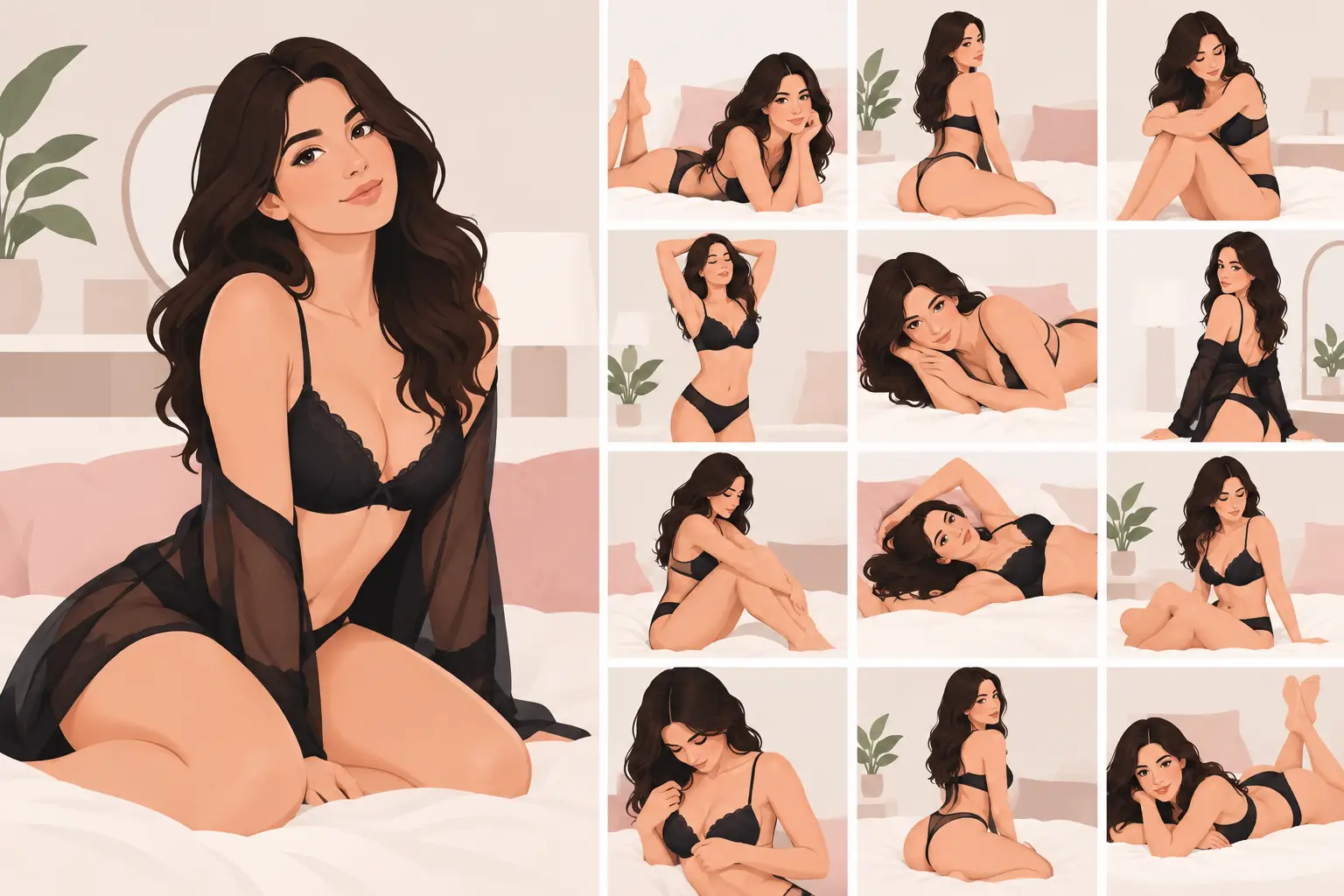
    The most flattering boudoir photograph rarely begins with a complicated pose. It begins with a woman taking one relaxed breath, dropping her shoulders, and realizing she does not have to know what to do next. The best boudoir poses beginners can try are designed to create elegant lines while giving you something simple and comfortable to focus on.

    A beautiful boudoir image is not about forcing your body into a position that does not feel like you. It is about thoughtful direction, refined lighting, and small adjustments that showcase your confidence. A slight turn of the chin, a softened hand, or a pointed toe can change the feeling of a portrait completely.

    What Makes a Boudoir Pose Flattering?

    Flattering is personal. Some women want images that feel soft and romantic; others want a powerful, editorial presence. The right pose depends on your comfort level, mobility, wardrobe, and the part of your personality you want your portraits to capture.

    That said, most successful beginner poses have a few things in common. They create dimension by turning the body slightly away from the camera, lengthen the limbs without strain, and give the hands a purposeful place to rest. They also avoid asking you to hold a difficult position for too long. A polished result should never require you to look uncomfortable.

    Professional direction matters here. At Franklin Photography Studios, posing is adjusted in real time for each client, rather than treated as a one-size-fits-all formula. Your body is not a problem to solve. It is the subject of a portrait created to honor your essence.

    12 Best Boudoir Poses for Beginners

    1. The Seated Side Turn

    Sit at the edge of a bed, bench, or posing block with your hips turned about 45 degrees from the camera. Place one hand lightly beside you and let the other rest on your thigh, collarbone, or hair. Angle your face back toward the light.

    This pose is an excellent starting point because it feels natural and gives the photographer room to shape the image through camera angle and lighting. Lengthen through the spine, then let your shoulders relax. The contrast creates poise without stiffness.

    2. The Shoulder Look-Back

    Stand with your back partially turned to the camera, shifting your weight into the leg farthest away. Look back over the shoulder closest to the camera, keeping your chin gently forward rather than pulled back.

    The shoulder look-back creates a graceful curve through the back and waist while allowing you to begin with less direct eye contact. If looking into the lens feels vulnerable at first, gaze past it or lower your eyes. A quiet expression can be every bit as compelling as a bold one.

    3. The Reclined Bed Pose

    Lie on your side with your knees slightly bent and your upper body supported by an elbow or pillow. Keep your lower arm relaxed, and use your upper hand to trace the edge of a robe, rest near your face, or soften against your waist.

    This is one of the most forgiving poses for beginners because the surface supports you. It also creates layered lines through the body, which tend to photograph beautifully. Avoid flattening your cheek into the pillow or mattress. A little space between your face and the surface preserves a refined profile.

    4. The Kneeling Profile

    Kneel on a bed or padded surface, sitting back toward your heels with your torso elongated. Turn into a profile or three-quarter view, then bring one hand to the thigh and the other to the neckline of your outfit.

    The kneeling pose can feel especially elegant in lingerie, a silk robe, or an oversized button-down. It works best when the chest stays lifted without over-arching the lower back. Think of growing taller, not posing harder.

    5. The Window Gaze

    Stand near a window with one hip closest to the camera and your face angled toward the light. Place your hands gently on the window frame, the fabric of a curtain, or one another at your waist. Then look outside rather than directly at the lens.

    A window gaze brings a sense of story to a portrait. It is also helpful for women who want to ease into their session before engaging the camera. The trade-off is that natural-looking window images still require careful lighting control, especially in bright Arizona sun. A photographer may position you just beyond the direct light for a softer, more luminous finish.

    6. The Floor-Lengthening Pose

    Sit on the floor with one leg extended and the other bent, creating a triangle shape. Lean slightly into one arm behind you and point the toes of the extended leg. Keep the front knee angled rather than pressed straight toward the camera.

    This pose creates long, clean lines and can feel fashion-forward without being overly revealing. It is particularly striking with a bodysuit, draped sheet, or a structured jacket. If sitting on the floor is uncomfortable for your hips or knees, a supported variation can achieve a similar look.

    7. The Soft Back Arch

    Lie on your back with your knees bent and feet placed naturally on the bed. Allow one knee to fall slightly outward, then lengthen the torso by gently lifting through the chest. Rest your hands above your head or one hand at the side of your face.

    The word “arch” can make this pose sound intimidating, but it should be subtle. You are creating a gentle curve, not testing your flexibility. A strong photographer will direct the placement of your shoulders, hips, and knees so the pose feels supported and looks effortless.

    8. The Crossed-Leg Chair Pose

    Sit in a chair at a slight angle, crossing one leg over the other at the ankle or knee based on what feels comfortable. Let one elbow rest lightly on the chair arm or your raised thigh, then bring your fingertips near your jawline.

    A chair offers structure and makes this a wonderful choice for women who want a sophisticated, fully styled boudoir portrait. It can feel more like an editorial fashion image than a traditional bedroom pose. Keep your hand light. Pressing fingertips firmly into the face can distract from the softness of the image.

    9. The Robe Reveal

    Stand or sit with a robe loosely draped over the shoulders, holding its edges with relaxed hands. Shift your weight to one hip and look down toward your hands, or meet the camera with a composed expression.

    This pose is about suggestion rather than exposure. It is ideal for a first outfit because it offers coverage while helping you settle into the experience. The robe also gives your hands a natural purpose, which removes one of the most common beginner concerns.

    10. The Over-the-Shoulder Sheet Pose

    Wrap a sheet around the body and turn slightly away from the camera, allowing one shoulder to show. Hold the sheet at the chest or hip, depending on the level of coverage you prefer, and keep your gaze lowered or turned to the side.

    This pose feels timeless because it emphasizes shape, texture, and mood. It is also highly customizable. A more secure wrap can create a serene, modest image, while a looser drape can feel more sensual. Your comfort should set the boundary, not a pose reference.

    11. The Standing S-Curve

    Stand with your weight in one leg, bend the opposite knee softly, and let that foot point slightly outward. Turn your torso away from the camera while bringing your head back toward it. This creates the gentle S-shaped line that gives standing portraits movement.

    The secret is not to exaggerate the hips. A small shift is usually more flattering than a dramatic one. This pose becomes especially polished when paired with a bodysuit, heels, or an open shirt, but it can be equally beautiful barefoot.

    12. The Close-Up Connection

    Not every boudoir pose needs to show the full body. For a close-up portrait, lie back or sit comfortably, bring one hand softly near the cheek or hairline, and focus on a single emotion: calm, strength, playfulness, or quiet confidence.

    Close-ups are often the images clients treasure most because they capture expression. Relax your mouth, breathe through your lips, and think of someone or something that makes you feel powerful. The camera reads emotion more clearly than it reads perfection.

    How to Feel More Natural During Your Session

    You do not need to practice poses for hours before a boudoir session. In fact, memorizing a collection of social media poses can make you more self-conscious. Instead, practice a few useful habits: roll your shoulders down, elongate through the crown of your head, and let your hands stay soft.

    Wardrobe also changes how a pose feels. A fitted bodysuit may make standing poses feel secure, while a robe or draped fabric may help you feel more at ease in reclining images. Bring pieces that make you feel like yourself at your most elevated, not outfits chosen solely because they looked good on someone else.

    Most importantly, allow the session to unfold. The first few frames are simply a chance to settle in. With professional hair and makeup, considered styling, and clear direction, you can stop worrying about whether you are doing it right and begin enjoying the experience of being seen.

    The most memorable boudoir portrait is not the one where you copied a pose perfectly. It is the one where the pose gave you enough support to let your own beauty, strength, and individuality come forward.

  • Maternity Studio or Outdoor Photos for You?

    Maternity Studio or Outdoor Photos for You?

    Your maternity portraits should feel like more than a date on the calendar. They are a pause before life changes shape, a chance to see your strength, anticipation, and beauty with fresh eyes. When deciding between maternity studio or outdoor photos, the best choice is not about following a trend. It is about choosing the environment where you can feel relaxed, radiant, and fully yourself.

    For some women, that is a softly lit studio with styling support, privacy, and complete control over every detail. For others, it is open desert light, a favorite garden, or a sunset sky that reflects the expansiveness of the moment. Both can create extraordinary portraits. The difference lies in the experience you want as much as the final image you want to treasure.

    Maternity Studio or Outdoor Photos: Start With How You Want to Feel

    Before considering a backdrop, ask a more personal question: how do you want to feel during your session?

    A studio session is often ideal when you want to arrive, be cared for, and step into a beautifully directed experience. Professional hair and makeup, a curated wardrobe, refined sets, and expert lighting create an atmosphere where you do not have to manage the details. You can simply be present. This can be especially meaningful late in pregnancy, when comfort and energy matter just as much as style.

    Outdoor photography offers a different kind of freedom. The natural landscape can add movement, scale, and a sense of place to your images. A flowing gown against the warm Arizona desert, soft greenery, or the glow of an early evening can feel romantic and cinematic. If being outdoors makes you feel grounded, adventurous, or connected to your surroundings, that ease often appears in the finished portraits.

    There is no universally better option. The right setting supports your confidence rather than asking you to perform in a setting that does not suit you.

    The Studio Advantage: Refined, Comfortable, and Private

    A luxury maternity studio is designed around control. Lighting remains flattering regardless of the time of day or season. There is no wind changing your hair, no unexpected crowd in the background, and no pressure to rush before the light disappears. Every visual element can be considered with intention, from the drape of fabric to the angle that best celebrates your silhouette.

    Privacy is another important consideration. Maternity portraits can be fashion-forward, intimate, or softly sensual. Some women love the idea of a partially draped look, fitted bodysuit, or a fine-art portrait that reveals the elegant lines of pregnancy. A private studio gives you room to explore those options without feeling exposed or distracted.

    Studio portraits also have a lasting quality. Clean backgrounds, sculpted light, and intentional posing place the focus exactly where it belongs: on you. The result can feel editorial, timeless, and deeply personal rather than tied to a particular location or weather condition.

    For women who do not usually enjoy being photographed, the guidance of a full-service studio can be transformative. You do not need to know how to pose or arrive camera-ready. An experienced photographer directs your hands, posture, expression, and movement with care, creating portraits that feel natural while looking exquisitely polished.

    When a Studio Session May Be Your Best Fit

    A studio may be the natural choice if you value privacy, enjoy a more elevated editorial look, or want reliable comfort in Arizona heat. It is also a beautiful fit if you are scheduling during the summer, have a busy schedule that makes weather rescheduling difficult, or want hair, makeup, wardrobe, and photography to feel like one thoughtfully coordinated experience.

    The Outdoor Appeal: Atmosphere, Movement, and Meaning

    Outdoor maternity photos allow the setting to become part of the story. The desert can offer warm neutrals, dramatic mountains, and a spacious quality that feels especially powerful during pregnancy. A garden or architectural setting may create a softer, more romantic visual language. The location can be meaningful, but it does not need to be personally significant to be beautiful. What matters is whether it complements the mood you want to create.

    Natural light has an unmistakable character. In the hour before sunset, it can soften skin, create luminous highlights, and give fabric a gentle movement. An outdoor session can feel less formal than a studio session, particularly for couples or families who want to be included in a few portraits. Walking, holding hands, or resting against one another often brings an unforced tenderness to the images.

    Still, outdoor photography asks more of the day. Heat, wind, uneven ground, insects, traffic, and changing light are real considerations. A skilled photographer plans around those variables, but no one can fully control them. If you are feeling physically uncomfortable, the most beautiful landscape may not make up for it.

    When Outdoor Maternity Photos May Be Your Best Fit

    Choose an outdoor session when location is central to your vision and you genuinely enjoy being outside. It can be ideal in the cooler Phoenix and Scottsdale months, particularly if you want movement, sweeping scenery, or portraits that include a partner, children, or beloved pet in a relaxed setting.

    The best outdoor images usually come from thoughtful simplicity. Rather than overloading the scene with props or complicated outfits, select one or two looks that move beautifully and let the landscape support the emotion of the portrait.

    Consider Timing Before You Choose a Setting

    Most maternity sessions are photographed between 28 and 34 weeks, when your belly is beautifully defined and you are often still comfortable enough to enjoy the experience. Of course, every pregnancy is different. If you are expecting multiples, experiencing fatigue, or have a specific milestone in mind, an earlier session may be preferable.

    Your timing can influence the studio-versus-outdoor decision. At 32 weeks in mild spring weather, an outdoor portrait session may feel effortless. At 32 weeks during a 108-degree Arizona afternoon, a climate-controlled studio can feel like an act of self-care. If you want outdoor images during warmer months, sunrise is often far more comfortable than sunset, though it requires an early start.

    It is wise to think about your final images, too. If your goal is a large statement portrait for your home, studio work may offer a more cohesive fine-art look. If you envision an album that tells a broader family story, an outdoor setting may bring welcome variety and context.

    You Do Not Have to Choose Only One

    For some women, the answer is both. A studio session can create intimate, fashion-inspired portraits with beautiful control, while a short outdoor portion adds landscape, movement, and a different emotional tone. This approach works best when it is planned carefully, with realistic timing and enough energy reserved for the second setting.

    Another option is to use a studio that offers varied sets and wardrobe changes. With the right lighting, backdrops, and direction, a studio gallery can feel wonderfully diverse without requiring you to navigate multiple locations. The goal is not to create more images for the sake of variety. It is to create a collection that feels complete and true to this chapter.

    Let Your Portraits Reflect Your Own Pregnancy Story

    The most memorable maternity photographs are not defined by whether they were taken beneath a desert sky or inside a beautifully appointed studio. They are defined by the feeling they preserve. You may want to look powerful and sculptural, soft and romantic, joyful with your family, or quietly connected to the life you are carrying.

    At Franklin Photography Studios, the experience begins with understanding that vision. From professional styling and hair and makeup to flattering direction and artful lighting, each detail is designed to help you showcase your confidence rather than worry about the camera.

    Choose the setting that lets you exhale. Years from now, the location will be part of the memory, but the way you felt when you saw your own beauty will be the part you return to.

  • Maternity Session Duration and What to Expect

    Maternity Session Duration and What to Expect

    Your maternity portraits should never feel like a race against the clock. The right maternity session duration gives you space to settle in, be beautifully styled, move at a comfortable pace, and enjoy the experience of celebrating the life you are carrying. For most clients, the full studio experience takes several hours, while the photographed portion itself is typically much shorter.

    That distinction matters. A luxury maternity portrait session is not simply a series of poses in front of a backdrop. It is a thoughtfully directed experience designed to capture your essence with polish, tenderness, and artistry. Time allows for the details that make an image feel effortless: refined hair and makeup, flattering wardrobe choices, precise lighting, gentle posing guidance, and the quiet moments that often become a client’s favorite portraits.

    How Long Is a Maternity Session Duration?

    A typical maternity session duration at a full-service portrait studio is approximately three to five hours from arrival to finish. This often includes professional hair and makeup, wardrobe selection and styling, the portrait session itself, and time to transition between looks or sets.

    The actual photography portion usually lasts about 60 to 90 minutes. That is ample time to create a beautifully varied collection without asking you to stand, pose, or change positions for an uncomfortable stretch. Some clients prefer a streamlined session with one elegant look. Others want a more editorial experience with several outfits, a partner, children, or a meaningful heirloom incorporated into the images. The right schedule is based on the story you want your portraits to tell.

    A shorter session can be ideal when you have a simple vision, are feeling physically tired late in pregnancy, or want one polished signature image for your home. A longer session may be worth considering if you would like multiple wardrobe changes, fine-art styling, partner portraits, or a mother-and-daughter moment that honors the family you are growing.

    Why a Luxury Session Takes More Than an Hour

    Beautiful maternity portraits are built with intention. The most luminous finished images often begin with details clients never have to manage themselves: a makeup application that photographs beautifully under studio light, an outfit selected for movement and shape, and posing that supports both comfort and confidence.

    Professional hair and makeup generally requires 60 to 90 minutes. This is not about changing who you are. It is about creating a polished version of you that holds up beautifully in high-resolution imagery and feels worthy of the occasion. Your artist can enhance your natural features, create a soft glow, and ensure your look remains camera-ready throughout the session.

    Wardrobe and set transitions also deserve unhurried attention. An elegant gown may need to be arranged carefully so fabric falls in a graceful line. A bodysuit, draped fabric, or more intimate silhouette calls for a different lighting approach and a different style of direction. Those transitions are where an experienced photographer shapes variety into a cohesive gallery rather than a collection of disconnected images.

    Most importantly, time gives you permission to relax. Many expectant mothers arrive saying they are not sure how to pose or that they have never felt comfortable in front of a camera. You do not need to know what to do. Expert direction is part of the experience, from the placement of your hands to the angle of your shoulders and the small shifts that create a flattering, elegant portrait.

    What Happens During the Photography Portion

    Once you are styled and ready, the camera time is calm, guided, and surprisingly efficient. Your photographer will begin with simple poses that help you become comfortable under the lights. From there, the session progresses through a carefully planned range of images, with guidance at every step.

    Expect gentle movement rather than demanding poses. You may be seated, standing, leaning against a set, wrapped in flowing fabric, or positioned to highlight the beautiful curve of your pregnancy. Breaks are always appropriate. A glass of water, a moment to sit, or a small adjustment to your wardrobe can make a meaningful difference, especially during the later weeks of pregnancy.

    If your partner is joining you, their portion of the session may take only 15 to 30 minutes. Family images with young children can be photographed efficiently at the beginning or end of the session, depending on their ages and energy. This leaves the majority of the experience centered on you, while still making room for the people who share this extraordinary season of life.

    When to Schedule Your Maternity Portraits

    For most women, the ideal time for maternity portraits is between 28 and 34 weeks. During this window, your belly is typically beautifully defined, yet you may still feel more comfortable moving through poses and wardrobe changes. Of course, every pregnancy is different. Some women carry earlier, some feel their best later, and some need to schedule around travel, work, or a planned delivery.

    If you are expecting twins or have been advised to take it easy, an earlier session may be the better choice. The goal is not to follow a rigid rule. It is to select a date when you can feel present, cared for, and able to enjoy being photographed.

    In Scottsdale and the greater Phoenix area, studio maternity sessions also offer a welcome alternative to outdoor scheduling. Arizona light can be beautiful, but heat, wind, and seasonal weather can complicate comfort, particularly during pregnancy. A controlled studio environment means you do not have to worry about the temperature, harsh sun, or finding a private place to change.

    Planning for a Comfortable, Beautiful Experience

    A little preparation helps your session feel even more effortless. Eat a nourishing meal before you arrive, bring water, and allow enough space in your day that you are not rushing from an appointment or work meeting. If you have specific undergarments, sentimental jewelry, ultrasound images, or a family heirloom you would like included, mention it during your planning consultation so it can be incorporated thoughtfully.

    It is also wise to avoid scheduling your maternity portrait session immediately after an especially demanding day. You deserve to arrive feeling cared for, not depleted. If possible, give yourself a quieter morning or afternoon before your appointment. Consider the session a rare pause: a time to be seen not only as an expectant mother, but as a woman in a powerful and deeply personal chapter of her life.

    The most flattering wardrobe is not always the most complicated. A fitted gown can showcase your silhouette with elegance, while flowing fabrics create softness and movement. A minimalist bodysuit or sculptural black dress may feel striking and modern. Your wardrobe should reflect your personality, whether your vision is luminous and romantic, editorial and fashion-forward, or intimate and understated.

    Does a Longer Session Mean Better Portraits?

    Not necessarily. More time is valuable when it supports your vision, but a session should never be extended simply to fill a schedule. The best maternity portraits come from expert preparation, intentional styling, and a pace that honors how you feel in your body that day.

    A client who wants one exquisite look and a small collection of heirloom images may have everything she needs in a focused, well-directed camera session. Another may want to celebrate several facets of her identity: glamorous, soft, powerful, sensual, and connected to her partner or children. In that case, additional time creates room for meaningful variety.

    At Franklin Photography Studios, the experience is designed around your comfort and the finished artwork you envision. You are guided through the process so you can showcase your confidence without worrying about posing, details, or whether you are doing enough. The result is not rushed documentation. It is a collection of portraits created with the care this milestone deserves.

    Your pregnancy will move quickly, even when the days feel long. Giving yourself a few unhurried hours to be styled, celebrated, and expertly photographed can become one of the most meaningful ways to honor the woman you are becoming – and the life you will treasure for a lifetime.

  • How to Look Confident in Headshots Every Time

    How to Look Confident in Headshots Every Time

    A confident headshot is not about forcing a bigger smile or pretending to be someone you are not. It is about allowing the camera to see the composed, capable person people meet when you are doing work you care about. If you are searching how to look confident headshots, the answer begins with this: confidence photographs best when you feel supported, prepared, and genuinely yourself.

    For entrepreneurs, executives, creatives, and women stepping into a new chapter, a headshot often becomes a first introduction. It may appear beside a professional bio, on a company website, in a media feature, or on the profile of a business you are building with intention. The right portrait does more than confirm what you look like. It showcases your confidence, warmth, authority, and presence.

    How to Look Confident in Headshots Starts Before the Camera

    Many people assume confidence is created in a single second, when the photographer says to smile. In reality, it begins well before you step in front of the lens. When you know what to wear, understand the purpose of your images, and have a clear sense of the impression you want to make, your body naturally settles.

    Start by considering where the headshot will live. A leadership portrait for a law firm may call for polished structure, restrained color, and a direct expression. A personal branding image for a wellness founder might feel softer, more approachable, and more creative. Neither approach is more confident than the other. The goal is alignment between your image and your professional identity.

    Give yourself enough time before the session. Rushing from an appointment, fighting traffic, or arriving unsure about your outfit can leave tension visible in your eyes and shoulders. A luxury portrait experience should create room to arrive, breathe, and transition into the moment. Professional hair and makeup are not about hiding your features. They help create a refined, camera-ready finish while allowing you to feel cared for.

    Wear Something That Lets You Stand Tall

    Your wardrobe affects posture more than most people realize. If a jacket pulls across the shoulders, a blouse gaps at the buttons, or shoes make you feel unstable, you will spend the session managing your clothing instead of connecting with the camera. Confidence has a physical component, and comfort is part of it.

    Choose pieces that fit beautifully through the shoulders and torso. A tailored blazer, elegant dress, structured blouse, or a simple top in a rich solid color can photograph with distinction. Necklines matter as well. A neckline that frames your face and gives you room to lengthen your neck is often more flattering than one that sits too high or feels restrictive.

    Color should support your complexion and your brand. Jewel tones, warm neutrals, classic navy, black, ivory, and muted earth tones can all work beautifully, depending on your coloring and intended use. Very small patterns, obvious logos, and overly trendy details can compete with your expression. If you are uncertain, bring two or three options so your photographer can help select what best serves the image.

    The trade-off is worth remembering: an outfit may look impressive on a hanger but feel unlike you. For a headshot, choose the garment that makes you feel polished and powerful, not costumed.

    Let Your Posture Create Presence, Not Stiffness

    The most common mistake in headshots is trying too hard to stand perfectly straight. Rigid posture can read as nervousness, while a relaxed, lifted stance suggests ease and self-assurance.

    Think of growing taller through the crown of your head while allowing your shoulders to drop away from your ears. Shift your weight slightly rather than planting yourself squarely and evenly on both feet. This creates a more natural line through the body and prevents the image from feeling flat. Your photographer may place one shoulder closer to the camera, adjust the angle of your chin, or ask you to lean subtly forward. These small refinements create dimension and bring your face forward with intention.

    A useful cue is to imagine you are listening to someone you respect. Your chin comes slightly forward and down, your eyes become engaged, and your posture stays open. This is very different from pushing your chin up, which can make the expression feel distant, or pulling it back, which may create unnecessary tension through the neck.

    You do not need to memorize poses. In fact, you should not. An experienced photographer will guide your positioning moment by moment, watching for the details you cannot see: a lifted shoulder, a clenched hand, or a tilt that brings out your strongest features.

    Find an Expression That Feels Like You

    Confidence is not one expression. A broad, joyful smile can be exactly right for a speaker, coach, or community-minded business owner. A calm, direct expression may be more fitting for an executive, consultant, or attorney. The most compelling headshots often include both, because different platforms call for different energy.

    Instead of telling yourself to smile, think about a person or moment that brings out a genuine sense of pride, affection, or amusement. A real thought changes the eyes before it changes the mouth. That is why an authentic expression feels so magnetic in a portrait.

    If you tend to feel self-conscious about your smile, begin with a soft expression. Let your lips part slightly, exhale, and allow the smile to build gradually. Forced smiles often begin too big and fade quickly. A photographer who creates a calm, affirming environment can help you move through those first camera-shy moments until your natural expression appears.

    Eye contact matters, too. Looking directly into the lens conveys connection and leadership. Looking just beyond it can feel reflective or editorial. Neither is wrong, but direct eye contact is usually the stronger choice for a classic professional headshot because it creates the feeling that you are meeting the viewer with clarity.

    Use Your Hands and Breath to Release Tension

    Even when a headshot is cropped closely, tension in your hands can travel up through your arms, shoulders, and face. Before each set of images, let your hands relax at your sides, gently shake out your arms, and take one slow breath out. An exhale softens the jaw and helps prevent that braced, waiting-for-the-camera look.

    Avoid gripping your clothing, clasping your hands tightly, or holding your breath. If your hands appear in the image, give them a purpose: lightly touch a jacket lapel, rest one hand at the waist, or hold a simple prop that is genuinely connected to your work. For personal branding imagery, a notebook, tablet, or product may be appropriate. For a formal corporate headshot, less is often more.

    The camera can detect the difference between a pose you are enduring and a moment you are inhabiting. A few seconds of movement between frames can make a remarkable difference. Roll your shoulders, reset your stance, and let the next expression arrive fresh.

    Trust Direction Instead of Judging Every Frame

    One of the fastest ways to lose confidence during a headshot session is to decide too early that you are not photogenic. Most people are simply unaccustomed to seeing themselves photographed with professional lighting, considered posing, and a lens close to their face. It can take a few minutes to adjust.

    Try not to inspect every image for perceived flaws. A strong portrait is shaped by light, angle, expression, styling, and timing. What may feel unusual in one frame can become striking once the photographer makes a slight adjustment to your posture or guides a softer expression.

    At Franklin Photography Studios, the process is designed to be guided rather than performative. You do not need to arrive knowing your best angle or how to position every feature. Your role is to show up as yourself. Expert direction, flattering light, and thoughtful styling do the work of refining that presence into imagery that feels elevated and true.

    Give Yourself Permission to Be Seen

    The confidence people respond to in a headshot is rarely perfection. It is the quiet assurance of someone who knows she belongs in the room, on the website, at the head of the table, or at the center of her own next chapter.

    Before your session, choose one word you want your image to communicate: credible, welcoming, bold, polished, visionary, grounded. Keep that word in mind when the camera comes up. Then let yourself be seen. Your headshot does not need to make you look like anyone else. It should make your strength unmistakably your own.

  • Women Over Fifty Portrait Makeover Experience

    Women Over Fifty Portrait Makeover Experience

    The moment you see a portrait that truly resembles the woman you have become, rather than a version of yourself edited into someone else, something shifts. A women over fifty portrait makeover is not about chasing youth or fitting a prescribed definition of beauty. It is a refined, expertly guided experience designed to capture your essence: your intelligence, warmth, presence, and the confidence earned through a full life.

    For many women, booking a portrait session marks a meaningful transition. Perhaps you have built a business, reached a milestone birthday, begun a new chapter, or simply realized that the images in your camera roll do not reflect how vibrant you feel. The right portrait experience creates room to be seen with intention.

    What a Women Over Fifty Portrait Makeover Should Feel Like

    A true portrait makeover begins long before the camera comes out. It should feel personal, unhurried, and reassuring. You are not expected to arrive knowing how to pose, what to wear, or how to make yourself camera-ready. That is the work of a full-service portrait team.

    Professional hair and makeup are not intended to cover you up. At their best, they bring balance and polish to features the camera can sometimes flatten: defined eyes, luminous skin, natural-looking dimension, and a look that still feels recognizably yours. The goal is elevated, not overdone.

    This distinction matters especially after 50. Beauty trends built for social media often rely on heavy contour, overly matte finishes, or dramatic styling that can feel disconnected from real life. A skilled artist considers your skin texture, personal style, coloring, and comfort level. Whether you prefer soft and classic, modern and editorial, or quietly glamorous, your finished look should feel like you on an exceptional day.

    The same care belongs in the photography itself. Flattering portraiture is not a matter of hiding perceived flaws. It is an art of thoughtful lighting, purposeful angles, gentle direction, and a photographer who understands how to create images with dimension and grace.

    The Difference Is in the Direction

    Most people are not naturally comfortable in front of a camera. That has nothing to do with how photogenic they are. It is simply difficult to relax when you are unsure where to place your hands, how to stand, or whether your expression looks natural.

    An experienced portrait photographer removes that uncertainty. Small adjustments make a remarkable difference: a turn of the shoulders, a softened hand, a shift in weight, or a breath before the shutter clicks. Rather than asking you to perform, your photographer guides you into poses that feel natural and look polished.

    This is where a luxury session earns its value. You do not need to arrive as a model. You only need to be open to the process. With clear direction, even women who begin by saying they are not good in photographs often leave feeling surprised by how comfortable they became.

    The strongest portraits also make space for expression. A confident gaze may suit a professional branding image. A softer smile may feel right for an heirloom portrait intended for your family. Neither is more authentic than the other. Your session should reveal multiple facets of your personality rather than reducing you to one pose or mood.

    Styling That Supports Your Presence

    Wardrobe is often the first source of anxiety, yet it can become one of the most enjoyable parts of the experience. A thoughtful wardrobe consultation helps you choose pieces that photograph beautifully while honoring the way you want to feel.

    Solid colors, refined textures, and well-tailored silhouettes tend to create a timeless result. Jewel tones, rich neutrals, cream, navy, emerald, burgundy, and black can all photograph beautifully when selected with your coloring and the set in mind. The best choice is not always the trendiest one. It is the garment that makes you stand taller when you put it on.

    Consider bringing more than one look when your session allows. A structured blazer or elegant dress can create a strong, sophisticated portrait, while a softer blouse or flowing fabric can bring warmth and movement. For entrepreneurs, this variety is especially valuable. You may need imagery that communicates authority for your website while also showing the approachable personality behind your brand.

    There are trade-offs. A beloved oversized top may feel comfortable but conceal the shape and posture that make a portrait feel intentional. An extremely tight or unfamiliar outfit can make it harder to relax. The most flattering wardrobe pieces are usually those with shape, ease, and a level of polish that feels natural to you.

    Why Professional Lighting Changes Everything

    Phone cameras have made photographs more accessible, but accessibility is not the same as portrait artistry. Professional lighting shapes a face with care. It can illuminate the eyes, create graceful definition along the cheekbones and jawline, and preserve the richness of your skin without making it appear artificial.

    This is not about erasing every line. Expression lines carry character. Skin texture is human. Expert lighting and considered retouching create a finished image that is polished while remaining honest, so you recognize yourself immediately and love what you see.

    A studio environment also offers privacy and control. Every element, from the background and wardrobe changes to the direction of the light, is curated around the final artwork. For women who feel self-conscious about being photographed in a public location, that privacy can make a profound difference in their ability to relax and enjoy the experience.

    More Than a Beautiful Photograph

    The value of a portrait session often becomes clearer after it is over. A finished portrait can become the image you use when introducing yourself professionally, celebrating a new venture, or updating a profile that has not represented you in years. It can also become something more intimate: a piece of personal artwork that reminds you of your own strength.

    For some women, these images are part of a legacy. Your children and grandchildren deserve to see more than candid snapshots in which you are half-hidden behind someone else. They deserve to see you centered, radiant, and fully present. A portrait has the power to preserve not only how you looked, but how you carried yourself during this particular season of life.

    That is why the final presentation matters. Digital files are useful, particularly for branding and professional visibility, but printed portrait art has a different presence. An elegantly finished piece displayed in your home becomes part of the story your space tells. It is a daily reminder that you do not need a special occasion to acknowledge your own value.

    Choosing the Right Portrait Studio

    When choosing a photographer in Scottsdale, Phoenix, or the surrounding area, look beyond a pretty portfolio. Ask how the session is planned, whether hair and makeup are included, how wardrobe is handled, and what direction you will receive during the shoot. The experience should be as considered as the final images.

    You should also look for consistency. A photographer who understands women over 50 will create portraits that honor individuality across many skin tones, face shapes, body types, and personal styles. Their work should feel polished without looking repetitive or excessively retouched.

    At Franklin Photography Studios, the process is designed around that personal transformation. From professional styling through the final portrait selection, each detail is intended to help you feel prepared, comfortable, and exceptionally photographed.

    You do not need to wait until you lose a few pounds, change your hair, or find a reason that feels sufficiently important. The woman you are now is already worthy of being seen with artistry. Choose the portrait experience that lets you showcase your confidence and create something you will treasure for a lifetime.

  • A Family Legacy Portrait Guide for Timeless Images

    A Family Legacy Portrait Guide for Timeless Images

    The most meaningful family photographs are rarely the ones where everyone simply stood still and smiled. They are the images that preserve a grandmother’s quiet grace, the way a daughter leans into her mother, and the unmistakable resemblance that travels through generations. This family legacy portrait guide is designed to help you create imagery with that kind of emotional permanence – portraits that feel beautiful now and become more valuable with every passing year.

    What a Family Legacy Portrait Is Really For

    A legacy portrait is more than a record of who attended a gathering. It is an intentional expression of belonging. It tells your family, and the generations who follow, that these relationships mattered enough to be thoughtfully preserved.

    For many women, the desire for this type of portrait begins around a milestone: a parent’s birthday, the arrival of a new baby, a family reunion, a graduation, or a season of personal change. Yet waiting for the “perfect” occasion can mean waiting too long. Children grow, parents age, and the moments that feel ordinary while they are happening become irreplaceable in hindsight.

    The goal is not to create a stiff, overly formal image. It is to capture your family at its most polished and recognizable: connected, confident, and fully present. A carefully directed portrait session offers the structure needed to create refined artwork while leaving room for personality, warmth, and real affection.

    Start With the Story You Want to Preserve

    Before selecting outfits or choosing a date, consider what you want this portrait to say. A multigenerational session may center on the women in a family: grandmother, mother, daughters, and granddaughters sharing one frame. Another family may want to honor a patriarch and the life he has built. For some, including a beloved pet is essential because that companion is part of the family story.

    There is no single formula for a meaningful legacy portrait. The strongest sessions begin with a clear emotional intention.

    Decide who should be in the portrait

    Start with the people whose presence would make the final artwork feel complete. That may mean your immediate family only, or it may include grandparents, adult siblings, partners, and young children. If several branches of the family are involved, plan for a formal full-group portrait as well as smaller combinations.

    Those smaller groupings often become the most treasured images. A mother and daughter portrait, a grandfather with his grandchildren, siblings together without their spouses, or three generations of women can each tell a distinct part of the family story. Thoughtful planning makes space for these pairings without making the session feel rushed.

    Make room for personality

    Legacy does not require everyone to look identical. Your family may be elegant and understated, playful and expressive, or a blend of both. The portrait should reflect that truth.

    If a loved one is reserved, a gentle seated pose may feel more natural than an exuberant group arrangement. If there are young children, a session should allow for movement, reassurance, and a pace that respects their attention span. Professional direction matters here. It helps each person look composed without asking them to perform a version of themselves that does not feel authentic.

    Plan Wardrobe With the Finished Portrait in Mind

    Wardrobe is one of the most visible choices you will make, and it is also where families can become unnecessarily stressed. The answer is not matching outfits. It is visual harmony.

    Begin by considering where your final portraits will live. If you envision a statement piece in a serene, light-filled home, soft neutrals, warm creams, muted blue, sage, camel, and gentle blush tones can photograph beautifully. For a more dramatic, editorial result, rich navy, jewel tones, black, or deep burgundy may be the better fit.

    Choose a coordinated palette of two to four colors, then let each family member wear a variation that suits their complexion and style. Solid colors and subtle texture generally photograph more elegantly than large logos, busy prints, or high-contrast patterns. Dresses, tailored trousers, structured jackets, and pieces with thoughtful drape tend to create a more polished silhouette than overly casual clothing.

    The trade-off is comfort. A beautiful outfit that makes someone feel self-conscious will show in the finished images. The most flattering choice is one that feels elevated while allowing each person to move, sit, and hold a child naturally. For women who are accustomed to caring for everyone else first, this is also an invitation to choose something that makes them feel seen and exceptional.

    Design the Family Legacy Portrait Session Around Ease

    A luxury portrait experience should feel guided from the beginning. Rather than arriving with a bag of clothing and hoping for the best, work from a plan that considers styling, grooming, lighting, group arrangements, and the intended artwork.

    Hair and makeup are not about changing who you are. They are about creating a camera-ready finish that still feels like you. Professional application accounts for studio lighting, helps even skin tone, and gives you the confidence to step into the frame rather than hide behind someone else.

    Timing deserves equal consideration. Schedule the session at a time when young children are generally rested and well-fed. Give older relatives enough time to arrive comfortably and settle in. If the family has traveled from different locations, avoid booking the portrait immediately after a long flight or a demanding event. A calmer schedule creates calmer expressions.

    At Franklin Photography Studios, the experience is designed to remove much of this decision fatigue through professional styling guidance, curated sets, expert lighting, and clear direction throughout the session. That level of preparation allows family members to focus on each other rather than wondering where to stand or what to do with their hands.

    How Posing Creates Connection, Not Stiffness

    Many people worry that they are not photogenic. Usually, what they mean is that they have not been professionally directed in a way that flatters them. Posing is not about forcing everyone into unnatural positions. It is the art of arranging bodies, hands, posture, and sightlines so connection is visible in the image.

    A well-composed group portrait gives every person a purpose within the frame. Heights are balanced. Hands are placed intentionally. Faces are turned toward the most flattering light. Small adjustments to posture can make a remarkable difference, especially for people who feel nervous about being photographed.

    The most enduring galleries include a balance of formal and intimate images. Begin with the full family portrait while everyone is fresh and attentive. Then create smaller groupings, allowing each relationship to have its own moment. A few quiet images where family members look at one another can sit beautifully alongside the classic camera-facing portrait that belongs above the mantel.

    For families with young children, perfection is not the standard. A child’s genuine laugh, a small hand wrapped around a grandparent’s finger, or a tender glance from a mother can carry more feeling than a perfectly synchronized smile. The photographer’s role is to recognize those moments and shape them into art.

    Choose Artwork That Can Carry the Meaning

    A legacy portrait deserves more than a temporary place on a phone. Digital files are valuable for sharing, but heirloom artwork gives the image a presence in your home and in your family life.

    Consider a framed fine-art portrait for the room where your family naturally gathers. A collection of coordinated pieces can tell a fuller story when one image is not enough. Albums offer a particularly meaningful way to preserve multiple groupings and expressions, creating something that can be held, revisited, and eventually passed down.

    Scale matters. A portrait of several generations displayed too small can lose its impact, while a thoughtfully sized piece becomes a visual anchor in a room. Think about the viewing distance, wall color, surrounding furnishings, and the emotional role you want the artwork to play. This is where professional design guidance can protect you from investing in an image you love only to display it in a way that diminishes it.

    When the Timing Is Not Perfect

    Families often postpone portraits because someone wants to lose weight, a child has braces, schedules are difficult, or life feels unusually full. Some circumstances do call for flexibility, particularly when health, travel, or major transitions are involved. But most reasons to wait are really reasons people feel vulnerable about being seen.

    Your family does not need to earn the right to be photographed. The season you are living now is worthy of care. A woman in her fifties, sixties, or beyond deserves to be portrayed with the same artistry and attention she has so freely given to others. Parents deserve images that show not only what they do for their children, but who they are within the family. Grandparents deserve to be visibly woven into the story.

    One day, the people you love will not be looking for evidence that everything was perfect. They will be grateful to see the faces, the closeness, and the strength of the family that shaped them. Choose a date, gather your people, and create the portrait they will treasure for a lifetime.

  • What a Branding Portrait Transformation Reveals

    What a Branding Portrait Transformation Reveals

    A branding portrait transformation is not about becoming someone else for the camera. It is about creating the conditions for your most assured, polished, and recognizable self to be seen. For a woman building a business, stepping into a new leadership role, or refining how she presents herself professionally, that distinction changes everything.

    A strong personal brand is built on more than a logo, a color palette, or a carefully written bio. People form an impression before they read the details. Your imagery communicates your standards, personality, presence, and level of care in a single glance. When those images feel generic, overly stiff, or disconnected from who you are, they can quietly dilute the message you work so hard to share.

    Why a Branding Portrait Transformation Matters

    The right portrait does not simply say, “This is what I look like.” It says, “This is how I lead. This is what it feels like to work with me.” That emotional clarity is especially valuable for entrepreneurs, consultants, executives, creatives, and service professionals whose businesses are closely connected to their own reputation.

    Many women arrive for branding portraits believing they are not photogenic or that they need to lose weight, change their hair, or become more comfortable in front of a camera before they can be photographed well. In reality, exceptional portraiture is a collaboration. Professional hair and makeup, intentional wardrobe guidance, refined posing, and expert lighting all work together to reveal what a rushed headshot never has the time to capture.

    Transformation is not a filter. It is the confidence that arrives when every visual choice has been made with purpose.

    For some clients, the shift is subtle: a more current, elevated expression of an established career. For others, it marks a significant reinvention after launching a business, returning to work, entering a new season of life, or deciding they are ready to be more visible. The images should honor the truth of that moment without turning you into a version of yourself your clients would not recognize in person.

    The Difference Between a Headshot and Brand Imagery

    A traditional headshot has a focused job. It introduces you clearly and professionally, often for a company website, speaker bio, press feature, or professional profile. It should be clean, flattering, and current.

    Personal branding imagery has a broader role. It creates a visual library that supports your website, social media, media features, launch materials, newsletters, and marketing campaigns. Alongside a polished portrait, you may need images that show you in conversation, reviewing a plan, working at a desk, holding a product, or simply presenting the confident, approachable energy clients can expect from you.

    Neither approach is inherently better. If you only need one excellent image for a professional directory or corporate profile, a concise headshot session may be the right fit. If you are the face of your business or want to build a more cohesive online presence, a branding experience offers far more range and longevity.

    The key is intention. A real estate professional may want portraits that feel warm, decisive, and locally connected. A wellness founder may need a quieter visual approach with a sense of calm and trust. A luxury service provider may benefit from editorial, sophisticated imagery that reinforces a premium client experience. The visual language should match the promise of the brand.

    What Creates a True Branding Portrait Transformation

    A refined result begins long before the first image is made. The most effective sessions are guided from the start, with thoughtful conversation about how you want to be perceived, where your images will appear, and what your audience needs to feel when they encounter them.

    Styling That Supports Your Message

    Wardrobe is not decoration. It establishes tone, shape, and authority. A structured blazer can communicate polish and leadership, while a flowing silk blouse may feel more creative, personal, or feminine. The goal is not to wear what is currently trending simply because it is fashionable. The goal is to choose pieces that feel like the elevated version of your own style.

    Solid colors and intentional textures often photograph beautifully, but the best options depend on your brand, your coloring, and the overall visual direction. A well-planned session includes variety without visual confusion: perhaps one look that feels classic and authoritative, another that is more relaxed and approachable, and a third with a more editorial edge.

    Professional hair and makeup are equally essential. They are not about masking your features. They are designed to provide camera-ready polish, define your best features under studio lighting, and help you arrive feeling cared for rather than rushed.

    Direction That Replaces Guesswork

    Most people are not expected to know how to pose. That is the photographer’s work. Small adjustments in posture, shoulder placement, hand position, expression, and the angle of the face can dramatically affect whether an image feels confident or constrained.

    The most natural-looking portraits are often the most carefully directed. A skilled photographer gives clear, encouraging guidance while leaving room for genuine expression. You should never have to wonder what to do with your hands or whether your smile looks forced. When you feel supported, your body relaxes, and your real presence comes forward.

    Lighting That Honors Your Features

    Lighting is one of the clearest distinctions between an ordinary image and a crafted portrait. It shapes the face, creates dimension, smooths distractions without erasing character, and establishes the mood of the final work.

    Soft, flattering lighting can bring a luminous quality to skin and eyes, while more sculpted light may convey drama, depth, or executive strength. There is no single “best” lighting style for every woman. It depends on your features, your comfort level, and the character of your brand. The important thing is that the light is chosen with you in mind, not applied as a one-size-fits-all formula.

    Bring Your Audience Into the Frame

    A branding session should reflect not only who you are, but also the people you hope to serve. Consider the questions a prospective client is silently asking when they land on your website or social profile: Is she experienced? Does she understand people like me? Will this feel personal? Is this service worth the investment?

    Your portraits can answer those questions before a conversation begins. Images with direct eye contact may create immediate trust. A relaxed laugh can make a high-achieving professional feel accessible. A composed, editorial portrait can reinforce discernment and expertise. These choices are subtle, but they influence whether your visual presence feels aligned or accidental.

    This is why stock imagery and quickly captured content often have limits. They can fill space, but they rarely carry the specificity of your own story. Your audience is not looking for a generic professional. They are looking for the person behind the promise.

    Planning Images You Will Actually Use

    The most beautiful branding portraits are also practical. Before your session, think about where your images need to work over the next six to twelve months. A website banner has different compositional needs than an Instagram profile image. A magazine feature may require horizontal space for text, while a speaking engagement may call for a more formal, close-up portrait.

    Ask for variety in orientation, expression, crop, and wardrobe so your final collection does not feel repetitive. You may want a few images with generous negative space for marketing copy, several close portraits for profile use, and lifestyle-inspired images that add movement and context to your content.

    At Franklin Photography Studios, the experience is designed to feel elevated and personal from the first planning conversation through the finished artwork. For clients in Scottsdale, Phoenix, and surrounding communities, that level of preparation helps turn being photographed from an intimidating obligation into an occasion worth enjoying.

    Confidence Is the Lasting Result

    There is a practical return on investing in personal branding photography: stronger marketing materials, more consistent visibility, and a collection of images that makes content creation easier. But the deeper value is often more personal.

    Seeing yourself portrayed with care can shift the way you occupy your own professional space. You may recognize a strength in your expression that you have overlooked. You may see that your experience is visible, your warmth is credible, and your ambition does not need to be softened to be appealing.

    Choose images that do more than document your face. Choose portraits that make it easier to stand behind your name, speak about your work, and let the right people see the woman they have been looking for.

  • Women Entrepreneur Headshots Phoenix That Stand Out

    Women Entrepreneur Headshots Phoenix That Stand Out

    A potential client may meet you on a website, LinkedIn profile, podcast graphic, or social post long before she hears your voice. That is why women entrepreneur headshots Phoenix business owners choose should do more than confirm that you are professional. They should communicate the caliber of your work, the confidence behind your expertise, and the experience of working with you.

    For a founder, a headshot is not simply a polished image for an About page. It is a visual introduction to the person leading the business. When it feels intentional, current, and genuinely aligned with your brand, it gives the right clients a reason to pause, trust, and learn more.

    Your Headshot Is Part of Your Brand Presence

    Entrepreneurs are often asked to be the face of their brands. You may be presenting a proposal, announcing a new service, appearing in the press, speaking at an event, or building relationships online. In each setting, your portrait carries a quiet but meaningful message before the conversation begins.

    A strong image can say that you are approachable without appearing casual, established without looking distant, and stylish without allowing the styling to overshadow your expertise. The balance matters. A financial advisor, wellness practitioner, attorney, creative director, and real estate professional may all need elevated imagery, but each woman needs it to reflect her own business and character.

    This is where an intentionally directed portrait experience differs from a quick, one-size-fits-all headshot. The goal is not to make every entrepreneur look the same. The goal is to capture your essence in a way that feels refined, credible, and unmistakably yours.

    What Women Entrepreneur Headshots in Phoenix Should Communicate

    Before choosing an outfit or stepping in front of the camera, consider the impression you want your business to leave. Your headshot should support that answer. A warm, relationship-centered brand may call for softer expression, inviting light, and an open pose. A high-level consultant or executive may prefer a more sculpted portrait with clean lines and a poised, direct gaze.

    The most effective personal branding imagery usually combines three qualities: clarity, consistency, and connection. Clarity means a viewer can quickly understand your level of professionalism. Consistency means the image belongs naturally alongside your website design, social content, and marketing materials. Connection means your expression feels real enough for a prospective client to imagine sitting across the table from you.

    There is no single correct look for a successful businesswoman. A bold color may be exactly right for a lively founder whose brand is built on creativity and visibility. For another entrepreneur, a neutral palette and understated jewelry may better convey discretion and sophistication. The right choice depends on your audience, your industry, and how you want to be remembered.

    Why a Guided Experience Changes the Result

    Many accomplished women arrive for a portrait session saying some version of the same thing: “I am not comfortable in front of the camera.” That feeling is common, even for women who lead teams, speak on stages, and make high-stakes decisions every day.

    Comfort in a portrait is rarely about being naturally photogenic. It is about having someone guide the process with care. Professional hair and makeup, thoughtful wardrobe planning, flattering lighting, and clear direction during posing remove the pressure to know what to do. Instead of wondering where to place your hands or whether your smile looks forced, you can focus on showing up as yourself.

    An experienced photographer understands how subtle adjustments shape an image. The angle of your shoulders, the placement of your chin, the direction of light, and the pacing of the session all affect how confident and relaxed you appear. That expertise is especially valuable when your image is expected to represent a premium service or an established business.

    Luxury is not about excess. It is about feeling prepared, cared for, and beautifully seen throughout the process. When the experience is designed around you, the finished portrait has more room to feel natural.

    Prepare for the Camera With Purpose

    Your session will feel more focused when you arrive with a clear plan for how the images will be used. Think beyond a single LinkedIn profile photo. You may need an elevated vertical crop for a speaker introduction, a horizontal image with negative space for your website banner, and a more relaxed portrait for social media or an editorial feature.

    Share these needs before the session whenever possible. A photographer can then shape posing, composition, and image selection around practical use rather than trying to make one image do every job.

    Wardrobe deserves the same strategic attention. Choose garments that fit impeccably and allow you to move comfortably. Structured jackets, polished dresses, tailored blouses, and elevated knitwear often photograph beautifully because they provide shape without distraction. Bring options if you are unsure. A variety of necklines and layers can create distinct looks while keeping the final collection cohesive.

    Avoid selecting an outfit solely because it is trendy. Trends can date quickly, particularly when your headshot will live on a website or sales page for years. Timeless styling, excellent fit, and colors that complement your complexion tend to serve you better. If your brand has signature colors, you can reference them subtly rather than dressing head to toe in them.

    Expression Matters More Than a Perfect Smile

    A polished portrait does not require a broad smile in every frame. Depending on your industry and brand personality, a thoughtful expression, a quiet smile, or a confident direct look may be more compelling. The aim is to create range without losing authenticity.

    During a well-directed session, you should have the opportunity to explore those differences. A vibrant, welcoming image might suit client-facing marketing, while a more composed portrait may be ideal for press materials or executive communications. Having options gives your brand flexibility and reduces the temptation to reuse the same image everywhere.

    The Difference Between a Headshot and Personal Branding Imagery

    A headshot is essential, but it may not be sufficient for an entrepreneur whose business relies on visibility. Personal branding imagery expands the story. It can include seated portraits, full-length images, lifestyle-inspired details, editorial compositions, or intentional photographs that leave room for website copy and campaign design.

    The decision comes down to where you are in your business. If you need to refresh a professional profile, a focused headshot session may be the right investment. If you are launching a new website, stepping into a more visible leadership role, or refining a premium brand, a broader collection can give you months of purposeful content.

    More images are not automatically better. A smaller, beautifully curated collection that supports your current goals is often more valuable than a large gallery with no clear use. Choose the experience that matches your immediate needs while leaving room for your business to grow.

    Choose Quality That Reflects Your Standards

    Your portrait is one of the few brand assets that places you, personally, at the center. It deserves the same discernment you apply to your client experience, website, packaging, and service delivery. A technically acceptable photo can fill a placeholder. An artfully crafted portrait can strengthen how people perceive your value.

    For women building meaningful businesses across Phoenix, Scottsdale, and the surrounding area, the right photographer offers more than a camera and a backdrop. She provides expert direction, a calming environment, and a finished image that feels aligned with the woman you have become.

    At Franklin Photography Studios, the portrait experience is designed to showcase your confidence with sophisticated styling, professional artistry, and flattering, intentional light. You do not need to arrive knowing how to pose. You only need to arrive ready to be seen.

    Your business will continue to evolve, and your imagery should evolve with it. Choose a portrait that feels less like an obligation and more like a declaration: you are here, you are prepared, and you are fully worthy of being recognized.

  • What to Wear for a Couple’s Photoshoot in Style

    What to Wear for a Couple’s Photoshoot in Style

    The most memorable couple portraits do not begin with matching outfits. They begin with a feeling: the quiet confidence of a beautifully tailored jacket, the movement of a dress that makes you feel radiant, the ease of standing beside someone who knows you well. When deciding what to wear for a couple’s photoshoot, choose clothing that feels elevated enough for the occasion while still looking and feeling like you.

    A professional portrait session is an opportunity to celebrate your relationship as it is now. Your wardrobe should support that story, not compete with it. The goal is not perfection in the everyday sense. It is polish, presence, and a visual connection that allows your affection to take center stage.

    What to Wear for a Couple’s Photoshoot: Begin With a Shared Vision

    Before selecting individual pieces, decide how you want your portraits to feel. Do you envision a refined, editorial look? Something softly romantic and relaxed? A sophisticated celebration of an anniversary, engagement, or new chapter? A shared point of view makes every wardrobe choice easier.

    For an elevated studio portrait, you may lean toward timeless tailoring, rich fabrics, and clean lines. An intentional color palette can look especially beautiful, and the right choice for you depends on the final artwork you want to treasure for a lifetime. If it will hang in your home, think of colors that are in line with your home decor/aesthetic.

    Think of your clothing as being in conversation with each other. You do not need to wear the same color or identical levels of formality, but your looks should belong in the same visual world. A black-tie gown and casual sneakers, for example, can create an uneven impression unless that contrast is deliberately part of your style.

    Build Around One Strong Anchor Piece

    If one partner wears an emerald dress, the other might choose a charcoal suit, a soft ivory shirt, or a deep navy jacket. If one person wears a cream linen set, the partner could wear warm taupe, muted blue, or a gentle olive. The relationship between colors matters more than an exact match.

    Choose a Color Palette, Not a Matching Uniform

    A palette of two to four colors gives your portraits dimension. Neutrals such as ivory, camel, taupe, chocolate, gray, navy, and black create a timeless foundation. Add one or two supporting tones that flatter your skin and suit the mood, such as burgundy, dusty rose, sage, terracotta, muted teal, or deep plum.

    For a more luxurious result, consider tonal dressing. This means pairing related shades rather than contrasting colors aggressively: cream with sand, espresso with warm beige, or navy with slate blue. Tonal combinations photograph with depth and allow your faces, hands, and expressions to remain the focus.

    Let Texture Add Interest

    Photography translates texture beautifully. Silk, satin, velvet, cashmere, linen, lace, suede, structured crepe, and fine knitwear all create visual richness without demanding attention. A satin dress paired with a matte suit jacket, or a soft knit set beside a textured blazer, offers contrast that feels intentional and refined.

    Prioritize Fit Over Trends

    The camera notices fit. Clothing that skims the body, defines your shape, and allows natural movement almost always photographs better than clothing that is overly tight, overly loose, or simply unfamiliar. You should be able to sit, walk, embrace, and turn toward one another without adjusting every few minutes.

    For dresses, consider silhouettes that create movement or shape: wrap dresses, gowns with a defined waist, elegant midi dresses, tailored jumpsuits, and long skirts with a gentle flow. A neckline that frames your face can be especially flattering, whether that is a V-neck, scoop neck, off-the-shoulder style, or a clean high neckline.

    Finish With Details That Feel Intentional

    Small details can either complete an outfit or distract from it. Keep jewelry purposeful. A favorite pair of earrings, a meaningful watch, a classic necklace, or an engagement ring deserves attention, but too many competing accessories can feel busy in a close portrait.

    Have garments professionally steamed or pressed before the session, and inspect shoes, jacket lint, and nail polish. Bring a small touch-up kit with lipstick, powder, a lint roller, and fashion tape if needed. These practical preparations protect your confidence and leave you free to enjoy the moment.