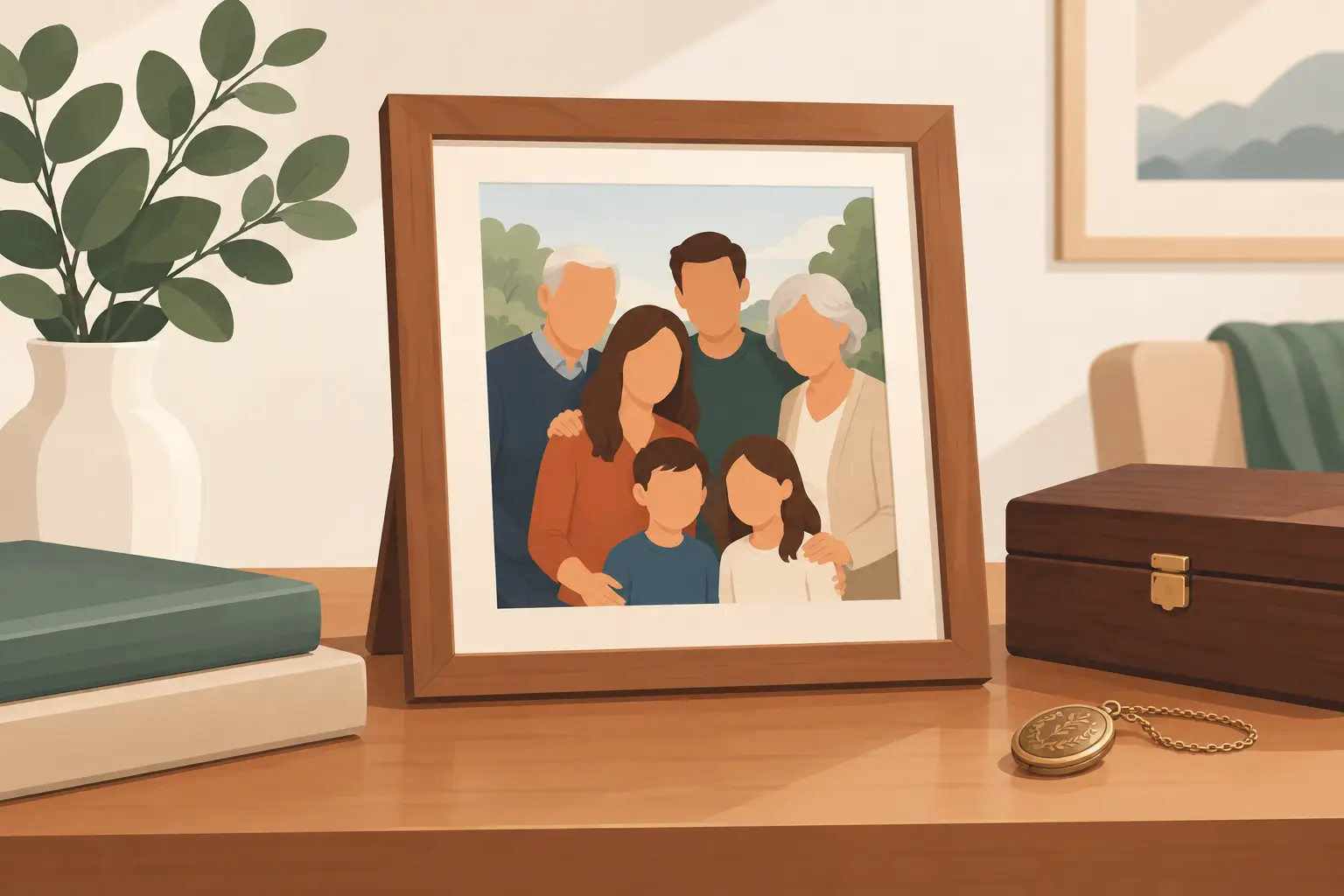
A family portrait is one of the rare occasions when everyone you love is intentionally in the same frame. That is precisely why a thoughtful family portrait guide matters. The most memorable images are not built on matching outfits or perfect behavior. They come from preparation, expert direction, and a setting where each person feels comfortable enough to be themselves.
For many families, the session marks a season that will not repeat: children growing taller by the month, a new baby, a graduation, an anniversary, or several generations gathered together. When the experience is carefully designed, the result is more than a beautiful photograph. It becomes a visual record of connection, personality, and legacy.
Family Portrait Guide: Begin With What You Want to Remember
Before choosing clothing or a location, consider the feeling you want your portraits to hold. Do you envision elegant, formally composed artwork for your home? A relaxed record of your family’s genuine affection? A generational portrait that honors the women who shaped your family?
Your answer guides every creative decision. A refined studio session offers control over light, styling, and presentation, creating polished images with an editorial finish. An outdoor session can feel more open and natural, especially when the setting has personal significance. Neither approach is inherently better. The right choice depends on your family, your home, and the story you want to preserve.
It also helps to think beyond one image. A strong portrait collection often includes the classic everyone-looking-at-the-camera photograph, smaller groupings of parents and children, sibling portraits, individual images, and quiet in-between moments. Those variations give your final artwork depth and allow each relationship to be seen.
Choose Wardrobes That Feel Cohesive, Not Costumed
Coordinating family clothing is less about identical colors and more about creating visual harmony. Begin with a palette of two to four complementary shades, then introduce texture and subtle variation. Cream, camel, soft blue, sage, charcoal, warm rust, and rich jewel tones can photograph beautifully when selected with the room and lighting in mind.
Avoid building the entire wardrobe around one loud print, fluorescent color, or prominent logo. These details can distract from faces and date the finished artwork. Instead, choose pieces with thoughtful structure: a well-cut dress, a tailored jacket, a silk blouse, a textured knit, or a crisp button-down shirt. Texture adds dimension without competing for attention.
For women who want to feel especially polished, professional hair and makeup can make a meaningful difference. The goal is not to look unlike yourself. It is to ensure your features are defined under professional lighting and that you can arrive feeling cared for rather than rushed. Franklin Photography Studios approaches styling as part of the portrait experience, helping clients showcase their confidence while remaining entirely themselves.
Dress for Movement and Connection
Family portraits work best when people can sit, stand, lean in, and hold one another comfortably. A child may be lifted. A grandparent may need a supportive chair. A long, fitted skirt may look exquisite standing but feel restrictive on the floor with toddlers.
Choose clothing that allows for natural movement, and bring a simple backup option for young children if needed. Comfort does not require casual clothing. It means selecting elevated pieces that let your family be present with each other.
Plan Around Energy, Not Just the Clock
The ideal session time is the one when your family is most likely to be rested and receptive. For young children, that often means avoiding nap time, hunger, and the late-afternoon window when patience runs thin. A morning appointment may produce brighter expressions for one family, while another may thrive after school and a quiet snack.
Give yourself more time than you think you need before the session. Rushing from an appointment, a sports practice, or a long drive can leave everyone tense before the first portrait is made. Build in a calm arrival, water, light snacks, and a few minutes for children to get familiar with the space.
Adults benefit from this breathing room, too. You do not need to arrive knowing how to pose. You do need permission to slow down. A skilled photographer watches body language, adjusts hands and posture, and gives clear, flattering direction so no one is left wondering what to do.
Prepare Children Without Making It a Performance
Children do not need a long lecture about smiling. In fact, too much pressure can make them self-conscious. Let them know they will be spending time together, having their picture made, and that the grown-ups want to have fun with them.
Bring one small comfort item for a younger child, but save it for a reset rather than offering it immediately. Avoid promising elaborate rewards that can become the only thing they discuss. A simple plan for a favorite meal or family activity afterward is usually enough.
The most successful sessions make room for children’s real personalities. A serious child does not need to be forced into a wide grin. A high-energy child may create the most joyful images while moving and laughing. Patient direction, short transitions, and genuine interaction tend to create expressions that feel far more valuable than a rehearsed smile.
Make Space for the Portraits Within the Portrait
A full-family image is essential, but the smaller connections often become the most cherished. Ask for a portrait of you and your daughter. Sit with your mother. Let siblings stand together without the adults. Include a beloved pet if they are part of your everyday family life.
For a generational session, plan intentionally for every combination that matters: grandparents with grandchildren, mothers and daughters, fathers and sons, and each branch of the family. These images can become especially profound over time. They show resemblance, tenderness, humor, and the continuity of a family line in ways words cannot fully hold.
If someone in the family feels uneasy in front of the camera, do not make them the focus of the concern. A professional portrait experience should never feel like a test. Good lighting, considered composition, and calm coaching can help even the most camera-shy person feel dignified and at ease.
Think About the Finished Artwork Before Your Session
Portraits deserve a life beyond a phone screen. Before your appointment, look around your home. Is there a wall that calls for a statement piece? Would a collection of smaller framed portraits suit a hallway or staircase? Is there a grandparent who would treasure a finished album?
Considering display early helps shape the session with purpose. A wide, horizontal family grouping may be ideal above a sofa, while a vertical portrait can create a striking focal point in an entryway. Black-and-white imagery may complement a more architectural home, while color can preserve the warmth of a child’s hair, a favorite dress, or the Arizona landscape.
This is also where professional guidance is valuable. The most beautiful image is not always the one with the most perfect expression. Sometimes it is the photograph where everyone is leaning close, laughing at something unexpected, or looking at one another with complete affection. Those are the images that keep giving as the years pass.
Let the Experience Be Part of the Memory
A portrait session does not have to be another task on an already full calendar. It can be an occasion to dress beautifully, gather the people who matter, and be seen together with intention. The planning may require a little coordination, but the return is lasting.
Years from now, the details you worried about may disappear from memory. What remains will be the way your child fit against your shoulder, the familiar hand of a parent, the shared laughter between siblings, and the unmistakable fact that you were all there together. Give that moment the care it deserves, then allow yourself to enjoy being part of the picture.