Category: Uncategorized

  • How to Plan Legacy Portraits With Intention

    How to Plan Legacy Portraits With Intention

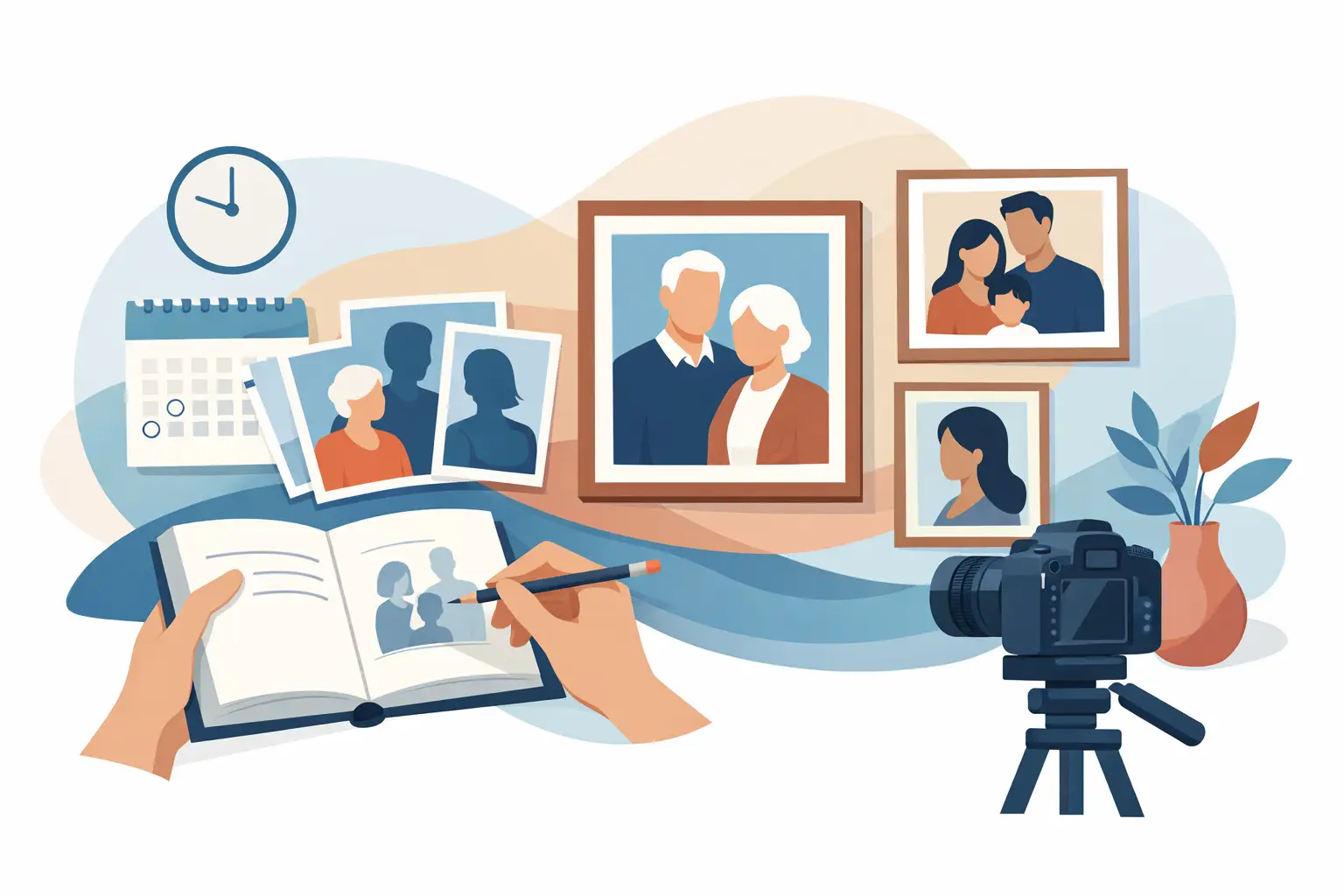
    A legacy portrait is not simply a beautiful photograph arranged for the mantel. It is the image your children will study years from now, noticing your expression, your hands, the way you held your mother close, or the joy on your face beside the people you love most. Knowing how to plan legacy portraits means making thoughtful choices that preserve more than appearances. You are preserving connection, character, and the season of life you are living now.

    For many women, the hesitation is deeply personal: I want to wait until I lose weight. I am not comfortable in front of a camera. The family schedule is impossible. Yet the people who love you are not waiting for a more convenient version of you. They want to remember you as you are, beautifully present in their lives.

    Begin With the Story You Want to Preserve

    The strongest legacy portraits begin with a purpose. Before choosing a date, wardrobe, or location, consider what you want these images to say. Perhaps you are celebrating five generations of women in one family. Perhaps you want refined portraits with your adult daughters before another major life chapter begins. Or perhaps this is the first professional portrait experience you are giving yourself after years of placing everyone else first.

    A legacy session can mark a milestone, but it does not need one. A quiet season of togetherness is reason enough. The emotional center of the session will guide every creative decision, from the expressions your photographer encourages to the final artwork you choose for your home.

    Try to name the feeling you want to see when you look at the portraits years from now. Warm and intimate? Elegant and editorial? Joyful and full of movement? There is room for all of these approaches, but a clear intention keeps the experience cohesive rather than overly posed or generic.

    How to Plan Legacy Portraits Around the Right People

    Legacy portraiture is often associated with large family groups, but scale is not what gives an image meaning. A portrait of a mother and daughter can carry as much emotional weight as a portrait with four generations. The right group is the one that reflects your story.

    Consider relationships that deserve to be documented with care: grandparents and grandchildren, sisters, lifelong friends, a beloved pet, or the women whose strength shaped your family. If a large gathering feels logistically difficult, it may be better to plan two smaller sessions than force a rushed experience where no one can relax.

    When inviting family members, explain the intention rather than presenting the session as another obligation on the calendar. Let them know this is a chance to create something lasting together. People often become more willing participants when they understand that the goal is not perfection, but a meaningful record of belonging.

    Plan for Every Generation’s Comfort

    A successful generational portrait session makes space for the youngest and oldest members of the family. Schedule around nap times, medications, mobility needs, and energy levels. For older relatives, studio portraiture can be especially appealing because it offers comfort, privacy, climate control, and a calm setting without long walks or unpredictable weather.

    Build in extra time. Children need a moment to settle, and grandparents should never feel hurried. The most memorable images often happen in the softer pauses between formal arrangements: a hand held, a shared laugh, a grandchild leaning in close.

    Choose a Look That Feels Timeless, Not Matching

    Coordinated wardrobe does not require identical outfits. In fact, matching shirts and rigid color schemes can date a portrait quickly. Aim instead for a considered palette of complementary tones, varied textures, and silhouettes that allow each person to feel like themselves.

    For a refined, enduring result, neutrals, jewel tones, soft earth colors, and rich classic shades tend to photograph beautifully. Avoid prominent logos, very small busy patterns, and clothing that requires constant adjustment. These details can pull attention away from faces and connection.

    The most flattering clothing is usually structured enough to create shape, yet comfortable enough to move and sit naturally. A well-cut dress, tailored blouse, elegant knit, or jacket can add polish without feeling overly formal. If the group includes multiple households, share a simple palette rather than asking everyone to shop for one exact color.

    Professional hair and makeup are also worth considering, particularly for the person organizing the session or for anyone who feels nervous about being photographed. This is not about looking unlike yourself. It is about creating a camera-ready finish that still honors your features, style, and individuality.

    Decide Between Studio, Home, and Outdoor Settings

    The setting shapes the emotional language of a legacy portrait. A studio setting offers intentional lighting, clean backgrounds, privacy, and a polished fine-art feeling. It is an excellent choice when you want the people in the portrait to remain the focus, free from visual distractions.

    A home session can feel deeply personal when the house itself is part of the story. It may be the home where children were raised, where holidays unfold, or where a grandparent has lived for decades. The trade-off is that homes can bring visual clutter, mixed lighting, and space limitations. An experienced photographer can advise whether the environment will support the portrait style you envision.

    Outdoor portraits offer natural scenery and a relaxed sense of movement. In the Scottsdale and Phoenix area, however, timing matters. Desert light can be exquisite, while summer heat and midday sun can make a session uncomfortable. An early morning or late-afternoon appointment often gives a more flattering, comfortable result.

    Trust the Portrait Design Process

    Luxury portraiture should not leave you to guess where to stand, what to do with your hands, or how to make a large group look natural. A guided photographer considers composition, lighting, posture, wardrobe, and the relationships within the group before the first image is made.

    Share what makes each relationship special. Is your mother known for her elegance? Is your daughter stepping into her own confidence? Does your family have a gentle, reserved dynamic, or are you at your best when everyone is laughing? These details help your photographer direct the session in a way that feels authentic rather than scripted.

    Expect a blend of portraits. You may want one elevated, formal image where everyone looks directly at the camera, followed by smaller groupings and more expressive moments. Photographing grandparents with each grandchild individually, for example, creates a collection of images that can become especially meaningful over time.

    Think About the Finished Art Before the Session

    A legacy portrait deserves a life beyond a phone screen. Before your session, think about where you want to see the final images. A statement wall portrait can become the visual heart of a home. A folio box may allow family members to hold and revisit individual images. An heirloom album can tell a fuller story through portraits, details, and candid connection.

    This decision influences how the session is designed. A vertical portrait may suit a hallway wall, while a wide horizontal composition can be ideal above a sofa or fireplace. If you are creating artwork as a gift for a parent or grandparent, consider their home, style, and available wall space.

    Choose quality with the long view in mind. Digital files are valuable, but professionally crafted printed artwork offers a physical presence that technology cannot replace. It becomes part of family rituals, home décor, and the visual history passed forward.

    Give Yourself Permission to Be Seen

    Women so often become the documentarians of family life, appearing behind the camera rather than within the frame. Planning a legacy portrait is a gentle but powerful decision to change that. You do not need to earn your place in the photograph through a particular age, size, or accomplishment.

    At Franklin Photography Studios, the portrait experience is designed to help clients feel prepared, directed, and genuinely celebrated. With expert lighting, thoughtful styling, and a pace that honors the people in front of the camera, a legacy session can feel less like a performance and more like a recognition of all you carry.

    Years from now, the portrait will not ask whether you felt perfectly ready that day. It will simply show that you were there: loved, connected, and worthy of being remembered in a way that feels true to your essence.

  • 7 Best Headshot Outfits for Professionals

    7 Best Headshot Outfits for Professionals

    Your headshot is often viewed before you enter the room. The best headshot outfits for professionals do more than look polished on camera – they support the message you want your image to send: capable, approachable, established, creative, or confidently in command.

    For entrepreneurs, executives, and women building visible personal brands, wardrobe is not an afterthought. It is part of your visual introduction. The goal is not to dress like someone else or chase a passing trend. It is to select clothing that captures your essence, feels unmistakably like you, and allows your expression to remain the focus.

    The Best Headshot Outfits for Professionals Start With Your Brand

    Before choosing a blouse, blazer, or dress, consider where your headshot will appear. A corporate bio, LinkedIn profile, speaker page, and luxury real estate website may all call for a slightly different visual message. The most successful professional portraits create alignment between your work, your audience, and your presence.

    A financial advisor or attorney may want a refined, tailored look that signals trust and expertise. A wellness founder, designer, or creative consultant may have more room for expressive color, texture, and silhouette. Neither approach is inherently better. What matters is whether the clothing looks intentional and consistent with the experience your clients can expect from you.

    If your brand is elegant and elevated, choose garments with beautiful construction and clean lines. If you are known for warmth and accessibility, softer fabrics and an open neckline can feel inviting while remaining professional. Your wardrobe should reinforce your credibility, not compete with it.

    1. A Tailored Blazer With a Refined Top

    A well-fitted blazer remains one of the strongest choices for a professional headshot. It gives the shoulders shape, adds visual structure, and photographs with a sense of authority. For women, it can be worn over a silk-like blouse, a fine-gauge knit, or a simple fitted top with a flattering neckline.

    The key is fit. A blazer that pulls at the buttons, bunches at the shoulders, or hangs too loosely can look uncomfortable in a close crop. Choose one that allows you to stand naturally and move easily. Navy, charcoal, soft ivory, deep green, and rich burgundy are often sophisticated alternatives to basic black.

    2. A Solid-Color Dress With a Defined Shape

    A dress is an elegant option when it has enough structure to hold its shape on camera. A sheath, wrap-inspired silhouette, or tailored midi dress can create a polished portrait without the formality of suiting. Look for a fabric with some weight, rather than a thin material that may cling or wrinkle under studio lighting.

    Solid colors tend to photograph beautifully because they keep attention on your face. Jewel tones, softened neutrals, and deeply saturated shades can all be striking. The ideal shade depends on your skin tone, hair color, and the background planned for the session, which is why professional guidance before your portrait appointment is so valuable.

    3. A Beautiful Blouse or Fine Knit

    Not every headshot requires a jacket. A substantial blouse or fine knit can create a modern, approachable look, particularly for coaches, consultants, authors, and women whose brands are relationship-driven. Choose a neckline that frames your face well. V-necks, soft boat necks, square necklines, and elevated collared shirts can all work beautifully.

    Avoid fabrics that are overly shiny, sheer, or prone to wrinkling. They can become distracting under professional lighting. A matte silk, crepe, quality cotton, or smooth knit usually provides a more flattering finish.

    4. A Monochromatic Look That Feels Intentional

    Wearing related shades from one color family creates a sophisticated, editorial effect. A cream jacket over a warm ivory top, a navy suit with a slightly lighter blue blouse, or a tonal emerald ensemble can appear effortlessly elevated. This approach also prevents a strong horizontal break through the middle of the frame.

    Monochromatic dressing does not mean your outfit must be one flat color. Thoughtful differences in texture and tone create depth. A matte jacket paired with a softly textured blouse gives the eye something to appreciate without stealing attention from your face.

    5. A Signature Piece That Makes the Portrait Yours

    The most memorable headshots have personality. A signature color, sculptural earring, exceptional jacket, or distinctive pair of glasses can make your image feel more recognizable. The important distinction is between a personal detail and a distraction.

    Select one feature to carry that signature quality. If your earrings are bold, keep the neckline and pattern more restrained. If your outfit has a striking color, choose simpler jewelry. A portrait should showcase your confidence, not leave viewers wondering where to look first.

    6. Elevated Layers for Versatility

    For a branding session, bringing a few coordinated layers is one of the easiest ways to create variety. A blazer, cardigan, vest, or structured jacket can shift an image from warm and conversational to executive and authoritative in moments. This is especially helpful if you need images for several platforms or different facets of your business.

    Start with a strong foundation piece, then add layers that complement it. A neutral top, tailored jacket, and one alternate blouse can often provide more useful variety than three unrelated outfits. Cohesion matters because your final images may appear side by side across your website, social channels, and press materials.

    7. Classic Suiting With a Modern Fit

    A full suit remains ideal for many corporate leaders and professionals in traditional fields. The difference between a dated suit and a powerful one is usually proportion. Modern suiting should skim the body, sit cleanly at the shoulder, and leave enough room for natural movement.

    Consider a softer neutral, deep blue, or rich brown if black feels too severe for your complexion or the intended setting. A crisp shirt can be effective, but a luxurious knit or blouse beneath the jacket often photographs with more softness. The finished look should convey presence rather than stiffness.

    Colors and Patterns That Photograph Well

    Color can influence the mood of a headshot more than most people realize. Mid-to-deep tones usually provide pleasing contrast and help define your features. Teal, cobalt, plum, forest green, cranberry, camel, and warm ivory are enduring choices when they suit the individual wearing them.

    Pure white can sometimes appear very bright under studio lights, while all-black clothing may lose detail against a dark background. Both can work with the right lighting and styling, but they benefit from careful planning. A professional photographer can guide the background, posing, and light to ensure your chosen color remains flattering.

    Small, subtle patterns may be appropriate, but bold prints, tight stripes, prominent logos, and busy florals often pull focus away from your expression. If you love pattern, consider wearing it as a secondary layer or bring a solid alternative. In a head-and-shoulders crop, a calm visual field almost always feels more timeless.

    Details That Can Change the Final Image

    The details closest to your face deserve the most attention. Necklines should feel comfortable and flattering when you sit and stand. Jewelry should complement your features without creating glare. Glasses should be clean and fit properly, and any lenses with strong glare protection should be mentioned before the session so lighting can be adjusted thoughtfully.

    Fit is equally essential. Clothing that is too tight can create tension in the shoulders and neck, while clothing that is too loose can obscure your shape. Have garments steamed, try them on in advance, and move in them. If you cannot lift your arms, sit comfortably, or take a deep breath, it will show in your posture.

    For Scottsdale and Phoenix professionals, it can be tempting to choose very casual warm-weather clothing. A polished sleeveless dress or blouse can certainly work, especially in a relaxed personal brand, but keep the fabric and cut elevated. A professional headshot should feel current and comfortable, while still giving your image lasting value.

    Let Your Wardrobe Support Your Presence

    The right outfit cannot replace connection, expert posing, or beautiful lighting. It can, however, give you the confidence to arrive prepared and fully present. At Franklin Photography Studios, wardrobe guidance is part of creating an experience where each client feels seen, refined, and beautifully photographed.

    Bring options if you are uncertain. Place your top contenders side by side, notice which colors make your complexion look alive, and choose the piece that makes you stand taller. The best headshot outfit is the one that lets your experience, strength, and individuality take center stage.

  • Personal Branding Photoshoot Examples That Feel Like You

    Personal Branding Photoshoot Examples That Feel Like You

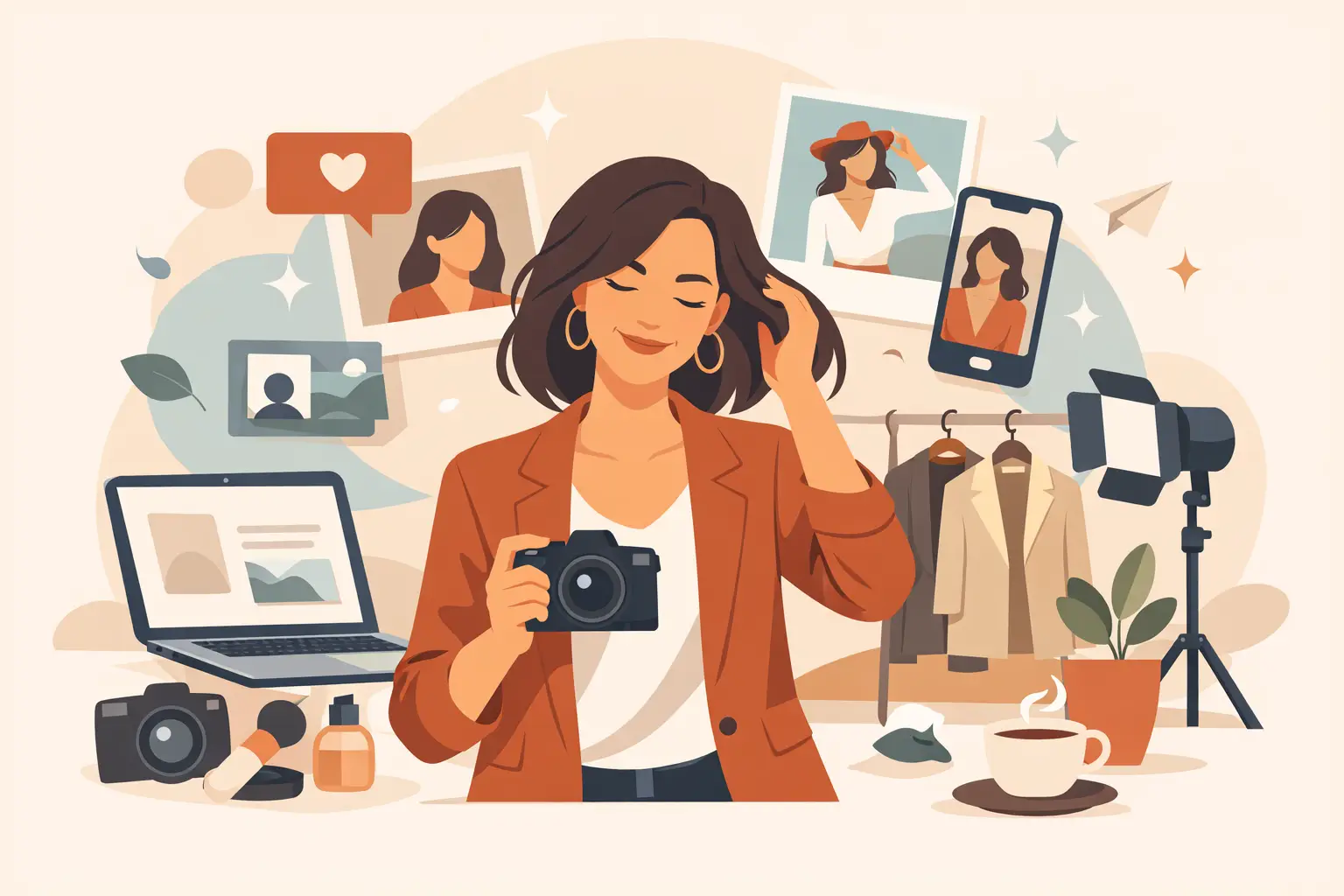
    A polished headshot is useful. A thoughtfully planned brand image can do far more. The strongest personal branding photoshoot examples show a woman in her element: leading a conversation, creating something meaningful, welcoming a client, or simply holding the room with confidence. They give prospective clients a clear sense of who she is before they ever meet her.

    For women entrepreneurs, consultants, creatives, and professionals, the goal is not to collect a set of interchangeable photos. It is to create a visual library that captures your essence and gives your business the presence it deserves. Your images should feel elevated, cohesive, and unmistakably yours.

    What Makes a Branding Image Feel Personal?

    A personal brand is more than a logo, color palette, or carefully written bio. It is the impression people carry after seeing your work. Photography makes that impression immediate. The right image can communicate warmth, precision, authority, approachability, creativity, or calm in a single frame.

    That is why copying another entrepreneur’s poses rarely creates a memorable result. A lawyer may need imagery that conveys poise and discernment, while a wellness practitioner may want softness and genuine connection. A luxury realtor might need refined, editorial portraits with room for text, while a designer may be best represented through movement, materials, and a creative workspace.

    The most successful sessions balance strategy with personality. Every detail, from wardrobe and setting to expression and composition, supports how you want to be perceived.

    Personal Branding Photoshoot Examples to Inspire Your Session

    The Confident Founder Portrait

    This is the image that belongs at the top of your website, in your speaker bio, and beside a thoughtful LinkedIn post. The subject is photographed with direct eye contact, graceful posture, and beautiful, intentional lighting. Her wardrobe is tailored rather than overly formal, allowing her to look capable without appearing distant.

    A clean studio portrait is especially effective for founders whose work requires trust and authority. It keeps the attention on your expression and gives you a versatile image that will not feel dated when your office, offerings, or branding evolve. A subtle seated pose, a standing portrait, and a close crop can all come from the same look while serving different uses.

    The Expert at Work

    Action-oriented images make your service tangible. Picture a financial advisor reviewing a plan with a client, a beauty professional preparing her tools, or a coach writing notes before a virtual session. These photographs give your audience context for the experience of working with you.

    The key is to avoid staging an activity that has no relationship to your real business. If you never work from a laptop at a café, that setting may look fashionable but will not build credibility. Instead, choose gestures and details that are true to your process: arranging a presentation, selecting materials, reviewing a proof, or welcoming someone into your space.

    The Conversation Starter

    Many service providers need images that feel open, personable, and easy to use in marketing. These may show you laughing softly over coffee, speaking with a client, or sitting in a comfortable, beautifully designed setting. They are ideal for social media, newsletters, and about pages because they make an introduction feel less formal.

    This style works beautifully for therapists, consultants, coaches, and community-focused business owners. The trade-off is that lifestyle imagery can feel less timeless than a studio portrait, particularly if a location has prominent seasonal décor or trendy furnishings. Pair it with a classic portrait so your visual presence has both warmth and staying power.

    The Editorial Leader

    For women whose brands are premium, fashion-forward, or creatively led, an editorial approach can showcase confidence with greater drama. Think sculpted lighting, intentional shadows, a striking blazer or dress, and a pose that feels composed rather than casual. The result is not a costume or a character. It is a refined version of how you want to enter the room.

    An editorial image is particularly valuable for keynote speakers, luxury professionals, authors, artists, and women navigating a reinvention. It says that you take your work seriously and that you are comfortable being seen. This is where expert direction matters most. A small adjustment to the hands, shoulders, or angle of the chin can transform a pose from stiff to effortlessly assured.

    The Detail-Driven Creative

    Sometimes the person behind the brand is best understood through what she makes. A jeweler handling a finished piece, an interior designer reviewing samples, a chef plating a signature dish, or an artist in her studio can bring texture and specificity to a gallery of images.

    These photographs should include the work without allowing it to overshadow you. Your clients are not only buying a product or service. They are choosing your taste, judgment, and point of view. A close-up of your hands is useful, but it becomes more powerful when paired with portraits that reveal the woman guiding the work.

    The Personal Side of the Professional

    A personal brand does not need to reveal every part of your private life. Yet a carefully selected glimpse of what matters to you can create a deeper connection. For some women, that may mean a portrait with a beloved dog, a quiet moment in a home office, or an image that reflects a passion for art, travel, books, or wellness.

    The question is not, “What should I share?” It is, “What helps the right client understand me?” A pet portrait may be entirely fitting for an animal-focused entrepreneur or a warm, relationship-led professional. For a corporate executive pursuing board opportunities, it may be better reserved for social content rather than the main website banner. Personal does not mean unfiltered. It means intentional.

    Plan Images Around Where They Will Appear

    A branding session feels more strategic when you decide how the photographs will be used before choosing outfits and sets. Website banners often need negative space beside you for copy. Instagram posts benefit from vertical compositions, while media features and podcast announcements frequently need clean horizontal portraits. A close-up may be perfect for a profile image, but it will not tell the full story of your service.

    Bring a short list of upcoming needs to your consultation: a website refresh, a new offer, a speaking engagement, a launch, or a press kit. This helps shape the session around real business goals instead of vague inspiration. You do not need a different concept for every platform. A well-designed collection can create variety through wardrobe changes, crops, expressions, and settings.

    Wardrobe Should Support, Not Distract

    The right wardrobe helps you feel polished before the first photograph is taken. Choose pieces that fit beautifully, feel comfortable when seated or standing, and align with the level of service you offer. Rich neutrals, intentional color, elegant texture, and clean lines tend to photograph exceptionally well.

    For a full personal branding session, two or three looks often create the right range. One may be more classic and authoritative, another softer or more approachable, and a third more expressive. The exact number depends on your goals and the pace of the session. More outfits are not automatically better if they leave too little time for strong, relaxed imagery.

    Professional hair and makeup are also part of the experience, not an extra flourish. Camera-ready makeup is designed to look refined in photographs while still allowing you to recognize yourself. When you feel prepared, your confidence reads naturally.

    Choose Direction Over Perfect Posing

    Few people arrive knowing exactly what to do with their hands. They should not have to. A luxury portrait experience includes guidance throughout the session, from posture and expression to the smallest details that create a flattering, natural result.

    Rather than memorizing poses from social media, focus on the feeling you want your images to convey. Calm authority may call for a grounded stance and direct gaze. Friendly expertise may look more conversational, with movement and a softer expression. The best direction leaves room for those unscripted moments when your genuine personality comes through.

    In Scottsdale and the greater Phoenix area, light-filled outdoor settings can be beautiful, but the desert heat and intense sun require thoughtful timing. A controlled studio environment offers privacy, comfort, curated sets, and precise lighting, while an on-location portion can add context when the location truly supports your story. It depends on the brand you are building, not on a trend.

    Your next brand image does not have to make you look like someone else. It should help the right people recognize your strength, your standards, and the distinct value only you can bring. Choose photographs that feel like an honest introduction, then let them open the door to the work you are ready to be known for.

  • Boudoir Experience Review: What Luxury Feels Like

    Boudoir Experience Review: What Luxury Feels Like

    A thoughtful boudoir experience review should tell you far more than whether someone loved her final images. The photographs matter, certainly. But the real measure of a beautiful boudoir session is how supported, prepared, and genuinely seen a woman feels from the first conversation through the moment she chooses the portraits she will treasure for a lifetime.

    For many women, booking boudoir is not a casual decision. It may mark a milestone birthday, a personal reinvention, a wedding, a season of healing, or the simple decision to stop waiting until they feel “ready.” A luxury experience honors that significance. It does not ask you to arrive already confident. It creates the conditions for confidence to take shape.

    What a Boudoir Experience Review Should Reveal

    When you read reviews for a boudoir photographer, look past broad praise such as “amazing photos” or “so much fun.” Those comments are welcome, but the most meaningful reviews describe the process. Did the client feel nervous beforehand? Was she guided through wardrobe choices? Did she feel at ease in front of the camera, even if she had never done a professional session before?

    Specificity is a sign of care. A client who remembers being welcomed warmly, having her hair and makeup tailored to her features, and receiving clear posing direction is describing a photographer who understands the emotional side of the work. Beautiful imagery is the result of technical skill, but it is also the result of trust.

    A helpful review may mention that the client felt more beautiful than she expected, or that she was surprised by how enjoyable the experience became once the session began. Those details matter because boudoir is not about performing a version of yourself that feels unfamiliar. It is about capturing your essence with artistry, intention, and a point of view that celebrates your strength.

    The Difference Between Taking Photos and Being Guided

    The word “boudoir” can make some women picture a highly posed, intimidating experience. In reality, the finest sessions are carefully directed. You should never have to guess where to place your hands, how to angle your body, or what expression to make.

    An experienced photographer gives clear, flattering instruction in small, manageable moments. You may be guided to turn your shoulder slightly, soften your gaze, lengthen through your posture, or shift your weight in a way that feels natural. These adjustments are not about changing who you are. They are about using professional lighting, composition, and posing to showcase your confidence.

    This is especially important for women who say, “I am not photogenic,” or “I do not know what to do in front of a camera.” Those statements usually mean they have not yet worked with someone who knows how to photograph real women with precision and care. You do not need modeling experience. You need expert direction and the freedom to be present in the moment.

    Styling Is Part of the Confidence Process

    A full-service boudoir experience begins before you step in front of the camera. Wardrobe planning helps you choose pieces that feel aligned with your personality and the mood you want to create. That might mean lingerie, an oversized white shirt, a favorite blazer, a silk robe, a fitted bodysuit, or something more understated.

    There is no single right look. Some women want polished glamour. Others prefer soft, editorial romance or powerful, fashion-inspired portraits. The best wardrobe is not necessarily the most revealing one. It is the one that makes you feel exquisite, comfortable, and unmistakably yourself.

    Professional hair and makeup also deserve attention in any meaningful review. This service should not make you look like someone else. It should refine what is already beautiful: luminous skin, expressive eyes, sculpted dimension, and a finished look that photographs elegantly under studio lighting. The goal is elevated, not overdone.

    Privacy, Respect, and Emotional Safety Matter

    Boudoir photography is personal. A polished studio environment and beautiful sets are important, but privacy and respect are nonnegotiable. You should know how your images will be handled, who will be present during the session, and how much control you have over what is photographed and shared.

    A strong experience includes clear communication around boundaries. You may have areas of your body you prefer not to emphasize. You may want sensual portraits without nudity, or you may have a more daring vision. Both are valid. A professional photographer listens without judgment and builds the session around your comfort level.

    This is where luxury becomes more than aesthetics. It is the feeling of being cared for in the details. There is time to settle in. There is no pressure to rush. You are not expected to fit a formula, and your choices are respected throughout the process.

    For some women, especially those over 50 or navigating a life transition, that level of care can be deeply affirming. A boudoir session is not reserved for one age, body type, or relationship status. It can be an extraordinary way to honor the woman you are now, rather than the woman you think you are supposed to be.

    What the Final Portraits Should Feel Like

    The reveal is often where the experience becomes real. Seeing yourself through an artist’s lens can be unexpectedly emotional. You may notice details you have overlooked in the mirror for years: the strength in your posture, the elegance of your profile, the warmth in your eyes, the confidence that appears when you stop holding back.

    A premium boudoir session should produce more than a few digital files. Your photographs deserve thoughtful presentation, whether that means a keepsake album, fine-art prints, or wall art selected for a private space. The right format depends on how you want to enjoy your images, but the feeling should be lasting. These are not meant to disappear into a camera roll.

    It is also reasonable to consider what you value most. A lower-cost session may be appealing if you only need a quick set of images, but it may not include professional styling, extensive preparation, personalized direction, refined retouching, or heirloom-quality artwork. There is no universal choice. The best investment is the one that matches the experience and finished result you want.

    Questions Worth Asking Before You Book

    Before choosing a photographer, ask how the session is planned, what guidance is provided, and what is included after the shoot. Ask to see a range of work that reflects different ages, body types, and styles, not only a narrow version of beauty. You should also understand image privacy, retouching philosophy, product options, and the pace of the day.

    Pay attention to how you feel during the consultation. Are your questions welcomed? Does the photographer sound confident without making promises that feel generic? Do you feel encouraged to bring your own vision into the process? The right fit is often clear before the camera ever comes out.

    At Franklin Photography Studios, the purpose of boudoir is never to ask a woman to become someone else. It is to create a refined, expertly guided space where she can see herself with fresh eyes and leave with portraits that reflect her beauty, power, and individuality.

    The most memorable boudoir experience is not defined by how nervous you felt walking in. It is defined by the quiet certainty you carry with you afterward: this is me, and I deserve to be seen.

  • Do Branding Photos Increase Sales? Here’s How

    Do Branding Photos Increase Sales? Here’s How

    A prospective client may meet your business for the first time while scrolling a website, comparing service providers, or pausing over a social post. Before she reads your credentials or books a call, she forms an impression from what she sees. So, do branding photos increase sales? They can – not as a substitute for a strong offer or excellent service, but as a powerful way to make the value of both easier to see, trust, and remember.

    For a woman-led business built on expertise, care, and personal connection, generic stock images and inconsistent phone photos can create an unnecessary gap between the quality you deliver and the quality people expect. Intentional personal branding photography closes that gap. It gives your audience a clear, compelling introduction to the person and presence behind the business.

    Why Branding Photos Influence Buying Decisions

    People purchase from businesses they understand and trust. This is especially true for high-touch services, where the client is not simply buying an item. She is choosing a guide, a creative partner, a strategist, or an expert she will invite into an important part of her life or work.

    Professional branding imagery creates visual evidence of your standards. A polished portrait communicates that you take your work seriously. Images of you in action, working in your environment, preparing a client experience, or using the tools of your craft add context. They help a potential client picture what it may feel like to work with you.

    That sense of familiarity matters. When your imagery is warm, consistent, and aligned with your brand, your audience arrives at an inquiry or consultation with more confidence. The conversation can begin closer to trust rather than starting with proof.

    The sale is rarely caused by one photograph

    A beautiful portrait does not repair vague messaging, an unclear offer, poor pricing strategy, or a difficult customer experience. It also will not persuade someone who is not a fit for your service.

    What strategic photography can do is support every stage of the decision. It can stop the right person from scrolling past, reinforce your positioning, make your website feel more established, and give your marketing a recognizable point of view. Those details can improve conversion over time because they remove visual uncertainty and reinforce the promise your copy is making.

    Do Branding Photos Increase Sales by Building Trust?

    Often, yes. Trust is one of the most valuable outcomes of personal branding photography, particularly when your business asks clients to make a meaningful investment. A financial advisor, attorney, wellness practitioner, interior designer, realtor, coach, or beauty professional is selling more than a transaction. She is selling expertise, judgment, and an experience.

    A professional headshot is a strong starting point, but a complete branding collection goes further. It may include direct-to-camera portraits that create connection, relaxed editorial images that show personality, and behind-the-scenes photographs that reveal your process. Together, they create a fuller impression than a single profile image can carry.

    Authenticity does not mean appearing unprepared. It means allowing your real personality, values, and professional strengths to come through with thoughtful direction. The goal is not to imitate another entrepreneur’s online presence. It is to capture your essence in a way that feels refined, approachable, and unmistakably yours.

    For women who have spent years building a reputation through referrals, this can be especially meaningful. Branding photography helps ensure that your digital presence reflects the caliber of the work people recommend you for in person.

    Strong Images Make Your Brand Easier to Remember

    A recognizable brand is not built from a logo alone. It is built through repetition of feeling, color, styling, language, and visual point of view. When your images have a cohesive look, your website, social channels, email marketing, speaker materials, and press features begin to feel connected.

    That consistency makes your business more memorable. A potential client might not be ready to book after one visit, but she may remember the confident portrait, the elegant wardrobe, or the inviting studio scene when the need arises weeks later.

    This is where a curated session has an advantage over gathering images randomly throughout the year. You can plan wardrobe, locations or sets, props, and expressions around your actual marketing needs. A luxury realtor may need polished portraits and neighborhood-focused lifestyle imagery. A therapist may benefit from calm, grounded portraits that make her office and approach feel reassuring. A consultant may need editorial images that communicate authority for presentations, podcasts, and LinkedIn.

    The imagery should match the promise. If your brand is intimate and nurturing, overly corporate photos may feel disconnected. If you sell a premium, highly structured service, casual snapshots may unintentionally lower perceived value. The most effective images are not simply flattering. They are strategically aligned.

    Where Branding Photography Can Support Revenue

    Brand photos work hardest when they are used with purpose rather than saved for an occasional announcement. Your website is an obvious place to begin. A welcoming image on the home page can make visitors stay longer, while service-page portraits can add a human presence beside important details and calls to action.

    They also give you stronger material for social media and email. Instead of relying on graphics alone, you can pair a personal image with a thoughtful point of view, a client story, or an invitation to book. Over time, this helps your audience connect your face with your expertise.

    High-quality imagery is equally useful beyond social platforms. It can elevate proposals, media kits, presentation decks, course materials, event promotions, print collateral, and online booking pages. If you are frequently asked to speak, collaborate, or contribute to a publication, having a collection of current, elevated photographs helps you respond quickly and present yourself with confidence.

    The return is not always immediate or easy to measure from a single post. Look instead for meaningful indicators: more qualified inquiries, longer time on key web pages, stronger engagement with your content, more ease in selling premium offers, or clients mentioning that your online presence made them feel ready to reach out.

    What Makes a Branding Session Worth the Investment

    The difference between a set of nice photos and a sales-supporting collection is preparation. Before the camera comes out, clarify who you want to attract, what you want to be known for, and what action you want viewers to take.

    A thoughtful photographer will help translate those answers into images. That includes guidance on wardrobe, hair and makeup, posing, set design, lighting, and the pace of the session. For many women, being photographed is not a routine task. It can feel vulnerable, particularly when they are used to standing behind the business rather than visibly leading it.

    A full-service experience changes that. Professional styling, artful lighting, and expert direction allow you to arrive prepared and supported. Rather than trying to look like someone else, you can showcase your confidence and individuality with images that feel polished without feeling overdone.

    At Franklin Photography Studios, personal branding sessions are designed with this transformation in mind. The process is crafted to reveal a presence that is both credible and compelling, so your images feel as elevated as the work you offer.

    A Practical Way to Plan Your Image Library

    Before your session, think beyond the one image you need right now. Consider the next six to twelve months of visibility. You may need a new website banner, a confident headshot, images for service pages, content for launches, a few seasonal moments, and photographs that show your process.

    Plan for variety, but avoid visual clutter. A cohesive wardrobe palette and a clear understanding of your audience will usually serve you better than trying to represent every facet of your personality in one afternoon. The goal is an image library that stays useful, not a collection of disconnected photos.

    It also helps to schedule a refresh when your business changes. A new offer, new audience, rebrand, milestone, or shift toward more premium positioning can all be reasons to update your visual presence. Your photos should reflect who you are becoming, not only who you were when you started.

    The right branding photographs will not pressure people into buying. They will give the right clients a clearer reason to believe in your expertise, feel connected to your presence, and take the next step with confidence. When your visual brand finally matches the quality of your work, being seen can become one of the most graceful ways to grow.

  • How to Style Maternity Portraits With Confidence

    How to Style Maternity Portraits With Confidence

    The dress that looks lovely on a hanger is not always the dress that creates the most memorable maternity portrait. A beautifully styled session considers more than clothing: it brings together silhouette, movement, hair and makeup, color, and the feeling you want to preserve from this remarkable chapter. Knowing how to style maternity portraits begins with one guiding idea: your images should celebrate your strength, softness, and unmistakable essence, not ask you to become someone else.

    A luxury maternity portrait experience should feel considered from the first wardrobe conversation through the final frame. When every choice works together, you can arrive feeling prepared, cared for, and ready to be seen.

    Begin With the Feeling You Want to Remember

    Before selecting a gown or deciding on a beauty look, consider what you want these portraits to say years from now. Do you envision timeless and sculptural images with clean lines? Something romantic and luminous? Or perhaps an editorial look with confident styling and dramatic light?

    There is no single correct maternity aesthetic. A fitted black gown can be every bit as powerful as a soft, flowing ivory dress. A bare-shoulder portrait may feel intimate and artistic, while a tailored blazer can create a modern, fashion-forward statement. The best direction is the one that feels true to you.

    Many clients choose two complementary looks. One may be more refined and covered, while the other reveals more of the beautiful shape of pregnancy. This creates variety without making the session feel disconnected. Rather than bringing a suitcase of possibilities, focus on a small, cohesive edit that supports the story you want your portraits to tell.

    Choose Silhouettes That Honor Your Shape

    Maternity portrait styling is less about following a trend and more about creating shape with intention. The most flattering pieces typically define the waist above the belly, skim the body, or create graceful movement around it. Clothing that is overly loose can conceal the form you are there to celebrate, while garments that pull or pinch can make it difficult to relax.

    Fitted gowns create elegant definition

    A body-skimming gown or stretch fabric can beautifully outline your silhouette, especially when paired with expert posing and flattering light. Look for pieces with clean construction, off-the-shoulder necklines, long sleeves, or a subtle train. Solid colors photograph especially well because they keep the eye on your expression and form.

    Choose a fabric with enough structure to feel secure, but enough give to move comfortably. If you are selecting your own gown, try it on several weeks before the session, then again shortly beforehand. Pregnancy changes quickly, and comfort is essential to confidence.

    Flowing fabrics bring softness and movement

    Chiffon, tulle, silk-like fabrics, and carefully draped wraps can create a more ethereal interpretation of maternity. These pieces are especially beautiful when the fabric can be shaped or lifted to add dimension in a portrait. Movement looks effortless in a finished image, but it is often carefully directed.

    With flowing garments, fit at the bodice matters. A secure foundation allows the fabric to move gracefully rather than requiring constant adjustment. A professional studio wardrobe can be especially valuable here, since portrait gowns are selected for how they perform on camera, not simply how they look in everyday life.

    Tailored pieces offer a contemporary option

    Not every maternity portrait needs a traditional gown. A well-cut suit jacket, a crisp white shirt, denim paired with a simple bandeau, or a sleek knit dress can feel sophisticated and personal. This approach works particularly well for women who want images that reflect their established style, professional presence, or modern sensibility.

    The trade-off is that tailored clothing needs precise fit. Avoid bulky layers, logos, or stiff fabrics that restrict movement. The goal is polished ease, not a costume.

    Build a Color Palette That Photographs Beautifully

    Color sets the emotional tone before a viewer notices any detail. Neutrals such as ivory, cream, camel, taupe, soft gray, chocolate, and black offer longevity and allow skin tones to remain the focus. Jewel tones such as emerald, sapphire, burgundy, or deep plum can create richness and drama when they suit your coloring and the set design.

    Pastels can be lovely, but choose them with care. Very pale shades may blend into a light background or look cooler than expected under studio lighting. If you love blush, powder blue, or lavender, consider a version with enough depth to retain its presence in the finished portrait.

    Patterns deserve restraint. A subtle texture can add visual interest, but busy florals, narrow stripes, large branding, and high-contrast prints often compete with your face and belly. For heirloom-quality portraits, simplicity usually has more staying power than a passing trend.

    If a partner or children will be included, coordinate rather than match. Choose colors from the same family and vary the tones and textures. A cream dress, warm taupe shirt, and soft denim can feel harmonious without looking overly planned. Keeping everyone in solid or lightly textured pieces helps the family connection remain the center of the image.

    Let Hair and Makeup Elevate, Not Mask

    Professional hair and makeup is not about looking unlike yourself. It is about translating your natural beauty for the camera, where studio lighting can soften features that are more visible in person. A polished complexion, thoughtfully defined eyes, groomed brows, and a lip color with enough presence can make a meaningful difference in the final images.

    For maternity portraits, many women feel most at home with luminous skin, soft sculpting, and hair that has movement. That could mean relaxed waves, a smooth blowout, an elegant updo, or a sleek low bun. The right choice depends on your wardrobe and the mood of the session. A dramatic gown may call for a refined updo; a more intimate look may pair beautifully with loose, touchable waves.

    Speak honestly about your usual makeup routine and any features you especially love. If you never wear a bold lip, this may not be the moment to force one. Conversely, if a signature red lip makes you feel powerful, it may be exactly the detail that makes the portraits feel like yours.

    Use Accessories With a Deliberate Hand

    Accessories should enhance the portrait rather than announce themselves first. Simple earrings, a meaningful ring, a delicate necklace, or a favorite bracelet can add personality and polish. In close portraits, those details become part of the visual language, so select pieces that feel intentional.

    Avoid bringing too many competing elements into one look. A statement earring may be enough. If the gown has embellishment, keep jewelry minimal. If your clothing is clean and simple, a sculptural earring or a beautiful cuff can add a refined focal point.

    You may also wish to incorporate one sentimental item, such as a family heirloom, a piece of jewelry connected to your own mother, or a meaningful object for your baby. The most successful personal details are subtle. They add emotional depth without turning the image into a prop-driven scene.

    Plan for Comfort, Timing, and Your Changing Body

    Style decisions are strongest when they account for the practical realities of pregnancy. Most maternity portrait sessions are often scheduled between 28 and 34 weeks, when the belly is beautifully defined and many women still feel relatively comfortable. However, the ideal timing depends on your pregnancy, whether you are carrying multiples, and how you are feeling.

    Bring comfortable undergarments in nude and black, along with a strapless or convertible bra if your wardrobe requires one. Avoid tight socks, bras, or waistbands immediately before your appointment if they leave marks on your skin. Hydrate, eat a nourishing meal, and allow extra time to arrive without rushing.

    If swelling, fatigue, or body changes are affecting your confidence, remember that this is precisely where professional guidance matters. Thoughtful wardrobe selection, experienced posing, and carefully shaped light are designed to flatter you. You do not need to know what to do with your hands or how to stand. Your only responsibility is to show up and allow yourself to be cared for.

    How to Style Maternity Portraits for a Luxury Result

    The most polished maternity portraits are created through collaboration. Share inspiration, but do not feel bound to replicate every image you have saved. What looks exquisite on another person may not reflect your proportions, coloring, or personality. An expert photographer can help translate the mood you love into a look that feels distinctly yours.

    At Franklin Photography Studios, the experience is designed to remove the uncertainty from the process, with professional styling guidance, hair and makeup, curated sets, and artful direction throughout the session. That level of preparation gives you room to be present for the moment rather than managing it.

    Your maternity portraits do not need to be perfect to be extraordinary. Choose the pieces that make you feel beautiful, let the details support your confidence, and give yourself permission to take up space. The resulting images can become a lasting reminder of the woman you were as you awaited the person you were about to meet.

  • Boudoir Session Privacy and Your Control

    Boudoir Session Privacy and Your Control

    A boudoir session is deeply personal by design. It may mark a milestone, honor a season of reinvention, or simply give you space to see your strength and beauty from a more generous perspective. That is precisely why boudoir session privacy should be a clear conversation before you choose a photographer, select a wardrobe piece, or step in front of the camera.

    Privacy is not a small line in a contract. It is part of the experience. You deserve to know who will be present, who can view your images, whether any photograph may be shared, and how your files will be handled after your session. When those answers are direct and specific, it becomes much easier to relax into the process and create images that feel entirely like your own.

    Privacy Begins Before the Camera Comes Out

    A luxury boudoir experience should feel considered from the first consultation. The photographer should ask what you are comfortable revealing, what you want the photographs to communicate, and whether there are particular concerns that deserve special care. Perhaps you work in a highly visible profession. Perhaps you are navigating a divorce, honoring a private personal goal, or simply want these portraits to belong only to you. Every reason is valid.

    Privacy also includes the physical setting. Ask whether the studio is private during your appointment, who has access to the space, and whether hair and makeup artists or assistants will be present. There is no universally right answer. Some clients love the energy of a full creative team, while others feel most at ease with as few people in the room as possible. The best arrangement is the one that allows you to feel safe, composed, and fully present.

    A thoughtful photographer will never treat your comfort as an obstacle to the creative process. Clear boundaries make better portraits because they free you to focus on expression, posture, and the confidence you want to showcase.

    What Image Consent Should Actually Mean

    Many clients assume that because they paid for a session, every decision about publication automatically belongs to them. Photography rights can be more nuanced, which is why a direct consent conversation matters. A professional studio should explain its policy in plain language rather than leaving you to interpret vague wording later.

    Before booking, ask whether the photographer requests permission to use images in a portfolio, on social media, in studio materials, competitions, education, or advertising. Ask whether consent is optional, whether it can be limited to certain images, and whether you can decline all public sharing. You should also understand whether a studio might use anonymous details from your experience, such as a testimonial, without showing your face.

    The most reassuring answer is not simply, “Don’t worry.” It is a process that gives you meaningful choice. For some women, sharing a favorite image is a proud declaration of confidence. For others, privacy is essential. Neither preference is more empowered than the other.

    A Release Should Never Feel Like Pressure

    If you are offered a model release, take the time to read it. A release is a legal permission document, and it may apply to more uses than an Instagram post. If anything is unclear, ask for an explanation before signing. A polished experience makes room for questions.

    It is also reasonable to ask whether your decision can be made after you see the finished images. You may arrive certain that you want complete privacy, then later find one cropped, artful portrait you would be happy to share. Or you may feel the opposite way once the images become real. The details depend on the studio’s policies, but your consent should be informed, voluntary, and specific.

    Questions That Protect Your Boudoir Session Privacy

    A consultation is the right place to establish expectations. You do not need to apologize for asking practical questions. In fact, an experienced photographer will welcome them because they show that you value the experience and the finished artwork.

    Ask how images are transferred from the camera, where they are stored, and who can access them. Find out whether online galleries are password-protected, how long they remain active, and whether you can request that images be removed after your order is complete. If you are selecting photographs remotely, ask whether the gallery platform allows downloads, screenshots, or shared access.

    It can also be helpful to discuss retouching privacy. Some clients want polished skin and refined details but do not want defining features, scars, tattoos, or body shape substantially altered. Others prefer a more editorial finish. Your photographer should understand that retouching is not about correcting you. It is about creating imagery that feels aligned with how you want to be seen.

    Finally, ask about products and delivery. If you live with family members, roommates, or children, you may prefer discreet packaging, a scheduled pickup, or an album stored separately until you are ready to enjoy it. These details may seem minor, but they can preserve the sense of anticipation and control that makes the experience feel luxurious.

    Your Boundaries Can Shape the Artwork

    Privacy is not only about who sees the final photographs. It also influences what you choose to create. You may prefer implied nude images, silhouettes, close crops, lingerie looks, or portraits that reveal more mood than identifying detail. You may want your face shown in every image, or you may want a collection that feels more anonymous and cinematic.

    There is tremendous artistry in restraint. A hand at the collarbone, the curve of a shoulder in soft light, or a confident glance over the shoulder can be as powerful as a more revealing image. Your photographer can guide you toward poses and compositions that honor your vision without asking you to perform a version of confidence that does not feel natural.

    This is especially valuable for women who are celebrating a changing body, returning to themselves after a demanding season, or stepping into a new chapter. The goal is not to fit a formula. It is to capture your essence with intention.

    Consider Your Future Relationship With the Images

    When choosing a level of privacy, think beyond how you feel on session day. Will these images be a personal keepsake, a gift for a partner, or an heirloom reminder of your own resilience? Are there professional or family considerations that make public sharing uncomfortable? Would you feel differently a year from now?

    There is no need to predict every possibility perfectly. A private collection can still be bold, glamorous, and emotionally meaningful. What matters is that the way your images are created, stored, displayed, and shared reflects your life on your terms.

    Choosing a Photographer You Can Trust

    Technical talent matters in boudoir photography, but discretion matters just as much. Look for a photographer whose communication is calm, transparent, and respectful from your first inquiry. Notice whether they answer privacy questions directly, explain their process without defensiveness, and make it clear that your comfort guides the session.

    A premium portrait experience should offer expertise without taking ownership of your story. The photographer directs the light, styling, and posing. You retain the authority to say yes, no, not that image, or not yet. That balance is where transformation becomes possible: you are supported by an accomplished professional while remaining fully in charge of what is revealed.

    Before your session, write down any nonnegotiables. You might request no behind-the-scenes phone footage, no identifying images shared publicly, a closed studio, or an in-person image reveal rather than an online gallery. Bringing those requests forward early lets the photographer plan with care rather than trying to solve concerns in the moment.

    The most beautiful boudoir portraits do more than flatter. They let you recognize yourself as powerful, sensual, elegant, and entirely worthy of being seen. Whether those images are shared with the world or kept in a private box just for you, their meaning should always remain yours.

  • Maternity Studio Versus Home Sessions: Which Fits?

    Maternity Studio Versus Home Sessions: Which Fits?

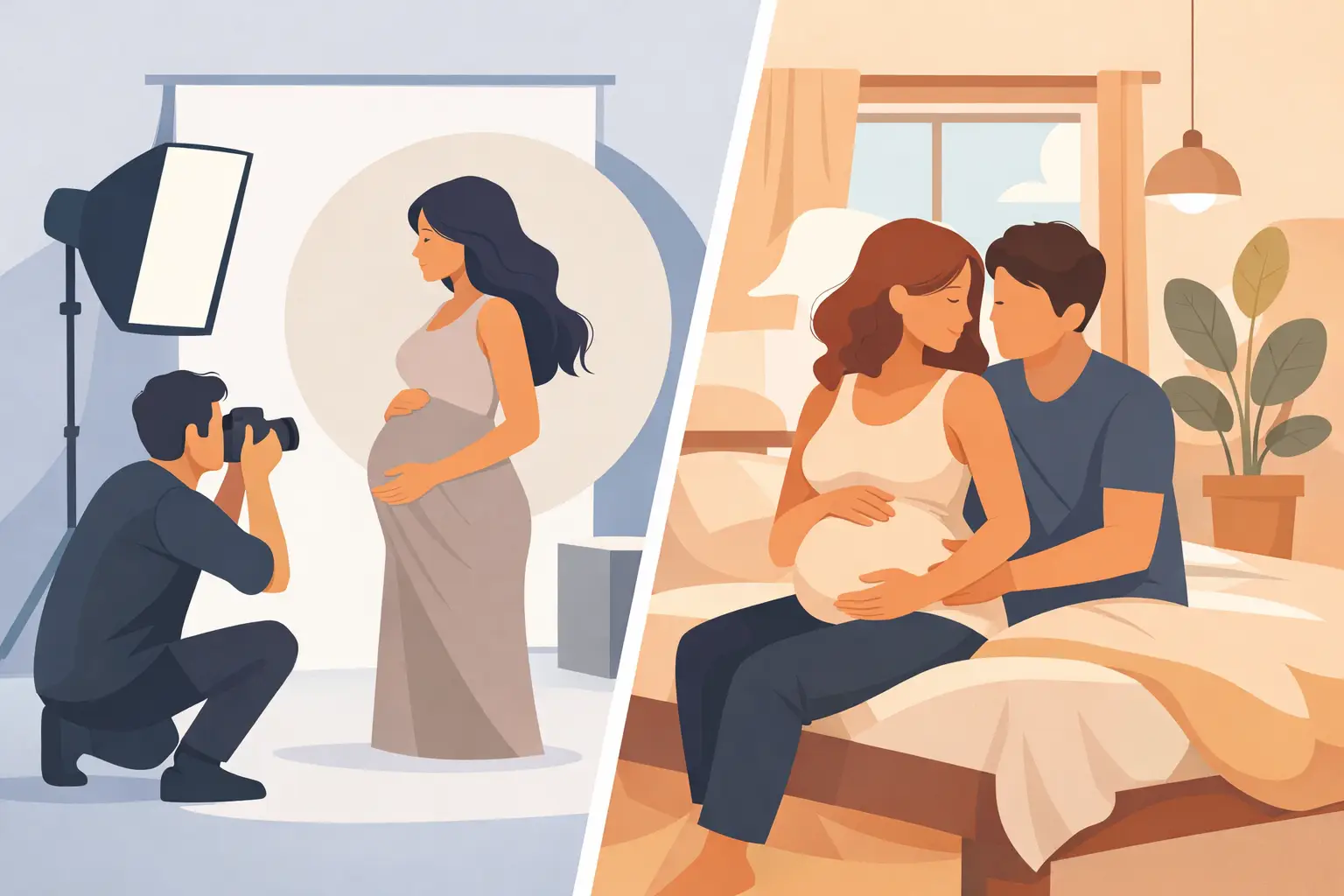
    The dress may be waiting in your closet, your nursery may be halfway assembled, and suddenly the question feels larger than a location: where will you feel most like yourself? When considering maternity studio versus home sessions, the best choice is not about which setting is objectively better. It is about the experience you want to remember and the kind of artwork you want to see on your walls years from now.

    Pregnancy is powerful, tender, and remarkably personal. Your portraits should honor that reality with intention, whether that means the polish of a professionally designed studio or the familiar ease of home.

    Maternity Studio Versus Home Sessions: The Core Difference

    A studio maternity session is created around control, artistry, and transformation. Professional lighting, carefully selected backdrops, wardrobe guidance, hair and makeup, and thoughtful posing work together to create refined imagery that feels editorial while remaining deeply personal. You arrive, are cared for, and step into an experience designed to showcase your confidence.

    An at-home maternity session centers on your daily environment. The images may include the nursery, a favorite window, your partner making coffee, or the quiet details of the home where your baby will be welcomed. These photographs can feel intimate and documentary, with beauty found in the life already unfolding around you.

    Neither approach is more meaningful by default. The question is whether you want your setting to be part of the story, or whether you want the focus to rest almost entirely on you, your connection, and this extraordinary moment in your body.

    When a Studio Session Feels Right

    A professional studio is often the ideal choice for a mother who wants portraits that feel elevated, timeless, and fully guided. The studio removes the visual distractions that can compete with a portrait at home: unfinished rooms, mixed lighting, clutter on counters, or the small projects that naturally accompany preparing for a baby.

    Instead, the eye goes directly to expression, silhouette, fabric, and connection. A flowing gown can create movement and drama. A fitted look can celebrate the beautiful shape of your pregnancy. A simple, sculptural portrait in black and white can become an heirloom that never feels tied to a decorating trend or a particular season of life.

    The Value of Professional Light

    Light changes everything in maternity portraiture. It shapes the body, softens skin, creates dimension, and brings a quiet glow to an image without making it look artificial. At home, available light is dependent on window placement, the time of day, weather, wall color, and the orientation of each room.

    In a studio, lighting is designed deliberately for you. This is especially valuable if you love luminous skin, graceful curves, and an image that feels polished from every angle. You do not need to worry about whether the nursery has enough light or whether your living room will photograph the way it feels in person.

    A Day Designed Around You

    For many women, a maternity studio session offers something they have not given themselves in months: permission to be the center of care. Professional hair and makeup can help you feel composed and radiant, while expert direction means you never have to guess what to do with your hands, how to stand, or how to look natural in front of the camera.

    This support matters. Pregnancy can bring changes that are exciting, emotional, and occasionally unfamiliar. Skilled posing is not about making you look like someone else. It is about helping you see the strength, femininity, and beauty that may be difficult to recognize when you are living inside the changes every day.

    A studio session also makes planning easier. If Scottsdale heat, unpredictable weather, limited mobility, or a busy household makes another outing feel like too much, a prepared studio environment can offer welcome relief. You can simply arrive and let the experience unfold.

    When Home Tells the More Meaningful Story

    Home sessions have their own kind of magic, particularly when your space carries emotional significance. Perhaps you restored a family home, designed the nursery with care, or want your older child and pets photographed in the place where they feel most relaxed. In those cases, your home is not merely a backdrop. It is part of your family history.

    At-home sessions can also feel less formal. You may prefer bare feet, a soft robe, your partner beside you on the sofa, or a quiet moment in the nursery. The resulting images can be wonderfully honest, preserving the anticipation of this specific chapter rather than creating a more stylized portrait experience.

    Comfort Has More Than One Meaning

    It is easy to assume home is automatically the more comfortable option. For some mothers, it is. There is no travel, no unfamiliar setting, and everything you may need is nearby. This can be especially helpful when you have young children who are more settled in their own environment.

    Yet physical comfort and emotional comfort are not always the same. Some clients feel more relaxed at a studio because they can leave the mental load of hosting behind. There is no need to straighten every room, hide the laundry, clear countertops, or wonder whether a space is camera-ready. The studio becomes a place to be present rather than productive.

    Consider which version of comfort you need most right now: the familiarity of home or the freedom of being fully looked after.

    Style, Privacy, and Practical Details

    Your preferred aesthetic should carry real weight in this decision. If you are drawn to clean backgrounds, dramatic fabric, flattering editorial light, and images that could live beautifully in a framed collection, a studio setting will usually serve that vision more consistently. It also offers greater privacy for intimate or fashion-forward maternity looks.

    If you value environmental details, natural imperfection, and a candid sense of place, home may be the stronger fit. A home session can be especially moving when your space reflects your personality rather than a designed photographic environment.

    There are practical trade-offs as well. Studio sessions offer predictable temperature, light, privacy, and scheduling. Home sessions require a realistic look at the rooms available, the amount and quality of daylight, and how much preparation you want to take on. Arizona homes can have glorious light, but bright desert sun can be harsh through uncovered windows, while darker interiors may limit where and when photographs can be made.

    A skilled photographer can work thoughtfully in either setting. Still, a studio gives the photographer more control over the finished result, while a home session asks the setting itself to participate in the creative process.

    You Do Not Have to Choose Only One Feeling

    Sometimes the right answer is a blend of both. You may want polished studio portraits that celebrate your pregnancy with artistry, along with a few relaxed images at home that include the nursery or your family’s everyday rhythm. The two settings preserve different truths.

    If you choose only one, begin with the artwork you hope to treasure. Imagine it framed in your bedroom, displayed in your baby’s room, or gathered into an album your child will one day hold. Do you see graceful, luminous portraiture focused on your presence? Or do you see the home that held your anticipation before they arrived?

    At Franklin Photography Studios, the purpose of maternity portraiture is never to fit you into a formula. It is to create an experience that honors your individuality and leaves you with images that feel as beautiful, assured, and meaningful as this season deserves.

    Choose the setting that lets you exhale. The most memorable maternity portraits begin when you feel supported enough to stop performing and simply let your strength, softness, and anticipation be seen.

  • What an Award Winning Portrait Photographer Sees

    What an Award Winning Portrait Photographer Sees

    A beautiful portrait is rarely about being naturally comfortable in front of a camera. It is about being guided by an award winning portrait photographer who knows how to recognize your presence, shape light around your features, and create an environment where confidence can take its rightful place.

    For many women, booking a portrait session marks something meaningful: a new chapter in business, a milestone birthday, motherhood, reinvention, or the simple decision to be seen with greater intention. The images should feel polished, certainly, but they should also feel true. That balance is where artistry matters most.

    What an Award Winning Portrait Photographer Sees

    Before a final image is created, a skilled portrait photographer is paying attention to details many clients never need to think about. The angle of a shoulder, the placement of a hand, the way a chin is lifted, and the relationship between wardrobe color and the set all influence how a photograph feels.

    More importantly, an accomplished photographer sees beyond the surface. She notices the qualities that make a person memorable: composed leadership, quiet warmth, wit, sensuality, resilience, or the unmistakable ease between a mother and daughter. The goal is not to make every client look like someone else. It is to create imagery that captures her essence with clarity and refinement.

    Awards can signal technical ability, creative vision, and consistent professional standards. They are meaningful because portrait photography is far more demanding than simply owning a camera or applying a flattering filter. Yet recognition alone is not the entire story. The most valuable distinction is whether the photographer can translate their expertise into an experience that makes you feel cared for, understood, and exceptionally photographed.

    Technique Should Feel Effortless to the Client

    Luxury portraiture is often defined by its finished polish, but that polish begins long before the shutter is pressed. Professional lighting is designed to sculpt, soften, and flatter without making the image look artificial. Careful posing creates elegant lines while still allowing room for personality. Thoughtful retouching refines the final portrait while preserving the features that make it yours.

    This is particularly important for women over 50, who are often tired of photographs that either erase their character through excessive editing or leave them feeling unflattered by harsh lighting and rushed direction. A sophisticated portrait session does neither. It honors the beauty of lived experience while presenting you at your most luminous.

    The same principle applies to maternity portraits, boudoir photography, and personal branding. Each calls for a different visual language. Maternity imagery may emphasize softness and anticipation. Boudoir may feel intimate, glamorous, or boldly editorial. Branding portraits should communicate credibility and approachability in a single glance. An experienced photographer adjusts the lighting, pacing, styling, and direction to serve the purpose of the portrait rather than forcing every client into one signature look.

    Direction Is a Form of Care

    “I am not photogenic” is one of the most common things a portrait photographer hears. Usually, it means, “I have not been guided well before.”

    Few people are expected to know how to pose naturally, where to place their hands, or how to relax their expression on command. A full-service studio experience replaces uncertainty with calm direction. You should never be left wondering what to do next or whether you are getting the right images.

    The strongest direction is specific without feeling stiff. A photographer may make a small adjustment to your posture, ask you to shift your gaze, or guide you through a natural movement that brings life to the frame. Those details are not about correcting you. They are about helping the camera see what people who know you already see.

    Professional hair and makeup, wardrobe guidance, and curated sets also play an essential role. They create a cohesive visual experience and give clients permission to step out of their daily routine. For an entrepreneur, that might mean arriving prepared to create an entire library of elevated brand imagery. For a woman celebrating a milestone, it may mean enjoying a day devoted entirely to herself.

    A Premium Experience Is Personal, Not Performative

    There is a difference between an expensive photo session and a truly luxury one. Price may reflect expertise, time, premium materials, and a high-touch process, but the experience itself should feel personal from the first conversation onward.

    A thoughtful photographer begins by asking what the portraits are meant to hold. Are they intended for a website, a campaign, a gallery wall, an album, or a private collection? Are you marking a professional achievement, honoring family history, or reclaiming confidence after a season of change? The answers shape every creative decision.

    For example, a personal branding session should account for where the images will be used. A polished headshot is useful, but a business owner often needs more: images that suggest leadership, warmth, expertise, and the texture of her work. Variety matters, from direct-to-camera portraits to intentional detail shots and lifestyle-inspired imagery that give a brand room to speak.

    A generational portrait has different priorities. Here, the photographer must create space for connection while managing the practical details that make group sessions work. The final image should not feel like a lineup. It should preserve the relationships, expressions, and shared history that make the family unmistakably itself.

    The Value of a Distinctive Point of View

    Technical proficiency is essential, but the portraits clients treasure for a lifetime have a point of view. They are composed with intention. They understand restraint. They know when a dramatic shadow will strengthen an image and when soft, luminous light is the more honest choice.

    That discernment comes through experience, training, and an ongoing commitment to the craft. At Franklin Photography Studios, Shelley Franklin’s award-winning reputation reflects that level of dedication, while the studio experience remains centered on one question: how do you want to feel when you see yourself in these images?

    The answer will not be identical for every client. Some want timeless elegance. Others want bold, fashion-forward imagery that makes an entrance. Some want a portrait that shows the woman behind the professional title. A strong photographer can work within those differences without losing the quality and intentionality that make the final collection cohesive.

    Choosing the Right Photographer for Your Portraits

    Credentials and a beautiful portfolio are wise places to begin, but your decision should also be guided by fit. Look closely at whether the photographer’s work shows a range of real people who appear confident, comfortable, and individually seen. Consider whether the style feels aligned with the way you want to be portrayed.

    Ask about the experience surrounding the session, not only the number of images included. Will you receive help with wardrobe decisions? Is hair and makeup available? How are poses directed? Is there time to create a meaningful variety of looks? Are final images designed for the ways you plan to enjoy them, whether digitally, professionally, or as artwork in your home?

    It also helps to be clear about what matters most to you. If your priority is a quick updated headshot, a streamlined session may be the right choice. If you are celebrating a milestone, building a visible brand, or creating heirloom portraits for your family, a more personalized process is often worth the investment. The right level of service depends on the purpose of the images and the experience you want to have while creating them.

    Let the Portrait Reflect the Woman You Have Become

    The finest portrait does not ask you to become more glamorous, more polished, or more confident than you are. It gives those qualities room to be visible. With expert guidance, beautiful light, and a setting created around your goals, the camera becomes less intimidating and far more revealing.

    You do not need to wait for a perfect moment, a different body, or a future version of yourself to deserve exceptional photographs. Choose the occasion that matters to you, arrive ready to be cared for, and allow your portrait to honor the strength, beauty, and individuality already present.

  • Personal Branding Photography Trends for 2026

    Personal Branding Photography Trends for 2026

    A prospective client has likely visited your website, read a few captions, and compared your work with someone else’s before she ever sends an inquiry. In that brief window, your imagery has one job: make your expertise feel real, distinctive, and worth choosing. The strongest personal branding photography trends are moving away from generic corporate polish and toward photographs that communicate authority with warmth, intention, and a recognizable point of view.

    For women entrepreneurs, consultants, executives, and service professionals, this is welcome news. A powerful brand does not require you to become louder, younger, trendier, or less yourself. It asks you to be seen with clarity. The goal is not simply a beautiful headshot. It is a considered collection of images that showcases your confidence, reflects the quality of your work, and gives your business visual consistency wherever clients encounter it.

    Personal Branding Photography Trends Are Becoming More Human

    The era of stiff poses against a plain white wall has not disappeared entirely. A clean studio portrait still has a valuable place on LinkedIn, speaker materials, press features, and professional bios. But it is no longer enough to carry an entire brand.

    Clients want to see the person behind the expertise. They want visual cues that suggest how it feels to work with you: calm, strategic, welcoming, refined, energetic, or exceptionally prepared. That does not mean every image needs to be casual. It means the expression, styling, setting, and gesture should feel aligned with the person you are in the room.

    A luxury portrait experience is especially well suited to this shift. Professional hair and makeup, thoughtful wardrobe guidance, and flattering light do not erase personality. They remove distractions, so your presence can come forward. When you feel polished and well cared for, it becomes much easier to look relaxed, capable, and fully at home in front of the camera.

    Expression matters as much as the setting

    A poised direct gaze may communicate leadership in one portrait, while a softer expression can create connection in another. Both can belong in the same brand library. The best session does not chase one “perfect” face. It creates a range of authentic expressions that serve different business moments.

    This is particularly meaningful for women who have spent years being told to look more approachable, more serious, more youthful, or more corporate. Your photographs should not force you into a narrow version of professionalism. They should present your strength with elegance and make space for the qualities your clients already value.

    Editorial Quality Is Replacing Stock-Photo Energy

    One of the most visible personal branding photography trends is the preference for editorial imagery. These photographs are polished, art-directed, and intentional, yet they do not feel overproduced. Think of the confidence in a fine magazine portrait rather than the forced cheerfulness of a stock image.

    Editorial does not have to mean dramatic or distant. It can be as simple as a beautifully lit portrait in a tailored blazer, a quiet moment arranging notes before a presentation, or an image of you seated in a refined setting with room for website copy beside you. What matters is that the photograph feels composed rather than accidental.

    For a Scottsdale-area entrepreneur working in a premium market, this level of visual direction can reinforce your positioning before a word is spoken. If your service is high-touch, strategic, or deeply personal, images made in rushed office lighting may create a mismatch. A curated session signals care, discernment, and the confidence to invest in how your business is presented.

    Designed sets offer flexibility without visual clutter

    A carefully selected studio set can provide a sense of place while keeping the focus on you. Neutral textures, tailored furniture, rich color, and architectural lines can all create visual interest without competing with your face or your message.

    There is a trade-off. Highly themed environments can date quickly, especially if they are built around a fleeting social media aesthetic. A sophisticated set with adaptable styling tends to have more longevity. You can change wardrobe, props, and framing to create distinct content while preserving a consistent visual signature.

    A Brand Session Needs More Than One Hero Image

    The strongest personal brands are built across many touchpoints: websites, newsletters, media features, Instagram, LinkedIn, course materials, event promotions, podcast announcements, and sales pages. A single exceptional portrait is valuable, but a strategic image library gives you the freedom to show up consistently without repeating the same photograph for a year.

    This is why intentional variety has become essential. Your collection might include a clean close-up for your professional profile, a three-quarter portrait for your About page, seated and standing images with open negative space for design, and lifestyle-inspired frames that suggest your process. A few details can also be useful when they genuinely support the story, such as hands writing in a notebook, a favorite tool of your work, or the texture of a beautifully appointed workspace.

    The distinction is important: variety should serve your brand, not create visual noise. If you are a financial advisor, ten photographs of you pretending to take a phone call may not add depth. If you are a creative director or interior designer, a behind-the-scenes sequence may be highly relevant. The right plan depends on what you sell, how you communicate, and where your audience meets you.

    Movement creates a natural sense of confidence

    Movement is another lasting direction, especially in short-form content. Walking into a room, adjusting a jacket, turning toward the light, or pausing over a notebook can create photographs and video clips with a more spontaneous feeling. The point is not to perform busyness. It is to introduce ease.

    Guided movement is often more flattering than holding an elaborate pose. It also helps clients who worry that they are not photogenic. You do not need modeling experience to create a compelling image. You need thoughtful direction, beautiful light, and a photographer who knows how to recognize the moment when you look most like yourself.

    Timeless Style Is the New Advantage

    Trend awareness has value, but trend dependence can be expensive. A branding session should support your business for months, sometimes years, so it helps to distinguish between a current visual detail and a durable personal style.

    Color is a good example. A fashion-forward accent can bring energy to a campaign, while a palette rooted in your brand colors and complexion will usually give your images a longer life. The same is true of wardrobe. A sculptural sleeve or statement earring can be striking, but a beautifully fitted jacket, polished dress, or monochromatic look often photographs with enduring sophistication.

    Women over 50 are helping lead this change. Rather than hiding behind muted, impersonal imagery, many are choosing portraits with presence: rich color, beautiful tailoring, luminous skin, and confident posture. The message is not that age should be concealed. It is that experience, discernment, and individuality deserve to be photographed with artistry.

    At Franklin Photography Studios, the process begins with that principle. Styling, professional hair and makeup, and expert lighting are not extras meant to make someone look unlike herself. They are part of a guided experience designed to help each client feel prepared, seen, and exceptionally photographed.

    AI Has Raised the Value of Real Presence

    AI-generated headshots and heavily altered images have made visual polish more accessible, but they have also made authenticity more valuable. A client may not always identify an artificial image immediately, yet she often senses when a portrait feels strangely generic, overly perfected, or disconnected from a real person.

    For personal brands, trust is too important to trade for convenience. Retouching should refine a portrait, not replace the person in it. Excellent retouching can soften temporary distractions, balance skin tone, and preserve a polished finish while honoring your features and character. The result should feel like you on an especially good day, not a digital substitute.

    This is where professional photography holds its ground. The camera records more than a face. It captures gesture, energy, confidence, and the small expressions that make a client believe there is a thoughtful, capable human behind the brand.

    Build Images Around Your Next Chapter

    The most useful question before a branding session is not, “What is everyone else posting?” Ask instead, “What do I need people to understand about where my business is going?”

    Perhaps you are stepping into a more visible leadership role, launching a premium offer, speaking on larger stages, returning to work after a personal transition, or finally creating a business that reflects the caliber of your expertise. Your photographs can mark that shift. They can show your audience that your presence has expanded before you have had to explain it.

    Choose imagery that gives you room to grow into the next version of your business. When your portraits feel honest, elevated, and unmistakably yours, every appearance becomes an opportunity to let your clients see the value you have carried all along.