Author: Shelley Franklin

  • Personal Branding Photography That Feels Like You

    Personal Branding Photography That Feels Like You

    A prospective client often forms an opinion before reading a single word of your website. They notice your profile photo, the expression on your face, the quality of your imagery, and whether your visual presence feels aligned with the level of service you promise. Personal branding is not about creating a version of yourself that feels staged or unfamiliar. It is about making your expertise, confidence, and personality visible at a glance.

    For women entrepreneurs, consultants, creatives, and leaders, polished imagery can become one of the most valuable assets in a business. The right photographs communicate credibility while preserving what makes your work distinctive. They help your audience recognize not only what you do, but why they should trust you to do it.

    What Personal Branding Really Communicates

    A personal brand is the impression people carry after encountering your name, your work, and your presence. Photography is one piece of that impression, but it is a powerful one because it is immediate. A strong portrait can convey poise, warmth, authority, creativity, or approachability before a visitor reaches your bio or service page.

    This is especially meaningful when your business is built on relationships. If clients are hiring you for financial guidance, wellness support, real estate expertise, interior design, legal counsel, coaching, or another highly personal service, they want to see the person behind the promise. Generic stock imagery may fill space, but it cannot create familiarity or connection in the same way.

    Your photographs should support the message your business already delivers. A luxury realtor may need imagery that feels refined and assured. A therapist may want an inviting expression and an environment that feels calm. A bold creative director may be best served by sculptural lighting, intentional color, and a little more edge. There is no single correct look. The goal is alignment.

    Why Professional Personal Branding Photography Matters

    There is a practical reason to invest in a dedicated branding session: consistency. When your website, LinkedIn profile, email signature, speaking materials, social channels, and press features all feature cohesive, elevated imagery, your business appears considered and established.

    That consistency is not about looking overly polished in every frame. It is about giving your audience a clear visual experience. A well-planned collection includes the essential professional portrait, but it also creates space for images of you working, connecting, thinking, presenting, and simply being present. Those varied photographs make it easier to communicate across different platforms without repeating the same headshot for years.

    Professional direction also changes the experience in front of the camera. Most accomplished women are not professional models, and they should not need to be. Expert posing, thoughtful styling, flattering light, and clear guidance allow you to feel prepared rather than self-conscious. The result is not a photograph that hides you. It is one that reveals you at your most confident.

    Begin With the Impression You Want to Leave

    Before choosing outfits or planning backgrounds, consider the response you want from the people you hope to reach. Ask yourself: When someone sees these images, what should they understand about working with me?

    Perhaps you want to be seen as a seasoned authority who makes complex decisions feel manageable. Perhaps your work is joyful, expressive, and deeply personal. Maybe you are entering a new chapter after a career change, launching a business, or stepping into a leadership role that asks you to be more visible than before.

    This clarity shapes every choice in your session. It guides wardrobe, location or studio set, lighting, makeup, props, and even the pace of the images. A brand photographer should ask thoughtful questions before the camera comes out. The session becomes far more effective when it begins with intention rather than a collection of poses found online.

    Let your audience guide the visual language

    Consider who needs to feel confidence in you. Corporate decision-makers may respond to clean, elevated portraits with a tailored wardrobe and refined setting. If your ideal client is looking for warmth and reassurance, softer textures and more relaxed images may be appropriate. If you serve a premium market, quality must be visible in the details, from fit and grooming to lighting and final retouching.

    This does not mean changing yourself to please every audience. It means presenting your strongest, most relevant qualities with purpose. The most memorable branding images are recognizable because they feel true to the person in them.

    Plan Wardrobe for Variety, Not Excess

    You do not need an overflowing rack of clothing to create a versatile collection. Two or three carefully selected looks can give you meaningful range when each serves a different purpose. Consider one polished, professional outfit for your primary portrait; one softer or more approachable look; and one option with a little more personality, color, or creative expression.

    Fit matters more than trends. Choose pieces that make you feel composed when you stand, sit, and move. Solid colors, elegant textures, and well-chosen layers usually photograph beautifully. Jewelry can add interest, but it should complement your face rather than compete with it.

    It is also wise to consider where the images will live. A bright blouse might be perfect for social content but feel less versatile for a keynote introduction. A classic blazer may be ideal for a website banner and professional profile. Your photographer can help you build a wardrobe plan that supports the full range of your marketing needs.

    Create Images With a Job to Do

    The best personal branding session is designed around use, not simply appearance. Before your session, make a short list of the places you need photographs in the next six to twelve months. This might include your website homepage, about page, launch announcement, podcast features, social posts, media kit, email newsletter, and speaking engagements.

    Each use benefits from a slightly different kind of image. A horizontal photograph with negative space may be ideal for a website header. A close-up portrait works well for a profile image. Vertical images often serve social platforms, while a wider environmental portrait can give editors or event organizers room for text.

    You may also need photographs that illustrate your process. A consultant can be photographed reviewing notes, speaking with a client, or preparing a presentation. A designer can be shown with materials, sketches, or a laptop. These moments do not need to feel candid by accident. They can be artfully directed to look natural while reinforcing the substance of your work.

    The Difference Is in the Direction

    Many people hesitate to book a branding session because they worry they will look awkward or not know what to do with their hands. That concern is understandable, and it is exactly why a guided experience matters.

    A luxury portrait session should include more than a camera and a backdrop. Professional hair and makeup, wardrobe consultation, carefully selected sets, and confident posing direction create an environment where you can relax into the experience. Small adjustments in posture, chin position, hand placement, and expression can dramatically change how a portrait feels.

    At Franklin Photography Studios, the focus is not on forcing a pose or chasing a trend. It is on creating a refined, personalized experience that captures your essence and gives you imagery worthy of the business you have built.

    Refresh Your Images When Your Business Evolves

    Branding photographs are not meant to last forever. Your business will evolve, and your visual presence should be allowed to evolve with it. A new offer, updated website, promotion, expansion into speaking, or personal reinvention can all be meaningful reasons to create new imagery.

    For some professionals, an annual session keeps content current and flexible. For others, every two or three years is enough. It depends on how visible you are, how often your business changes, and how actively you use your image in marketing. What matters is avoiding the disconnect that happens when your online presence no longer reflects the woman clients meet today.

    You do not need to become someone louder, younger, or more polished than you are to be visible. You need photographs that honor the experience you have earned and the direction you are headed. When your imagery reflects both, showing up for your business begins to feel less like self-promotion and more like an honest invitation.
  • 12 Best Ideas for Pet Portraits That Feel Personal

    12 Best Ideas for Pet Portraits That Feel Personal

    The best ideas for pet portraits do not begin with a prop or a pose. They begin with the small, unmistakable details that make your companion yours: the alert tilt of a terrier’s head, the dignified stillness of an older dog, the opinionated gaze of a cat, or the way a beloved horse leans closer when it recognizes your voice. A meaningful portrait preserves personality, not just appearance.

    For pet owners who value beautiful artwork and a guided experience, the goal is not to make an animal behave like a person. It is to create an environment where their character can come forward naturally. The most successful portraits balance thoughtful styling with patience, expert lighting, and enough room for genuine connection.

    The Best Ideas for Pet Portraits Begin With Personality

    Before choosing a setting, consider the story you want the finished portrait to tell. Is your pet elegant and composed, playful and impossible to contain, quietly devoted, or wonderfully eccentric? A sleek black background may suit a regal Doberman beautifully, while a soft sunlit setting can feel more fitting for a golden retriever who lives for morning walks.

    There is no single “right” look. A studio portrait offers polish, control, and a timeless result. An outdoor portrait can bring movement and a sense of place. A portrait at home may hold special meaning for a pet who is most relaxed in familiar surroundings. The best choice depends on your pet’s temperament and the artwork you envision living in your home.

    1. Choose a Refined Studio Portrait

    A clean studio portrait places every bit of attention on your pet’s expression, form, and distinctive markings. With intentional lighting and an uncluttered backdrop, even a simple seated pose can become striking wall art. This approach is especially beautiful for pets with expressive eyes, dramatic coats, or a calm presence.

    A dark, neutral backdrop creates a formal, gallery-inspired feeling, while lighter tones can feel airy and contemporary. The difference is not merely decorative. Background color changes how a coat reads, how eyes stand out, and whether the finished work feels dramatic or soft.

    For pets that become distracted outdoors, the studio can also be the kinder choice. A calm room, minimal noise, patient direction, and time for breaks often produce a more relaxed expression than an exciting park full of competing scents and sounds.

    2. Include the Hands That Love Them

    Some of the most emotionally resonant pet portraits do not require a full human portrait. A hand resting gently on a dog’s shoulder, a woman seated beside her cat, or boots next to a horse’s hooves can tell a deeply personal story without shifting focus away from the animal.

    This idea works particularly well for women who want to celebrate the relationship itself. Your pet may be part of a new chapter, a family legacy, a season of healing, or the everyday rhythm that has carried you through life. A portrait that includes you, even subtly, gives that bond a place in the frame.

    If you prefer a more editorial look, coordinate your wardrobe with the intended palette rather than matching your pet exactly. Rich neutrals, soft textures, and clean lines photograph beautifully and keep the finished image timeless.

    3. Create a Portrait Around Your Pet’s Signature Expression

    Every pet has a look their family knows immediately. Perhaps it is the earnest face they make before dinner, the ears-forward curiosity when they hear a treat bag, or the sleepy contentment that appears only after a long walk. Planning around that expression is often more valuable than planning around an elaborate theme.

    A skilled photographer watches for those brief, authentic moments. Treats, toys, sound cues, and the familiar reassurance of an owner can help invite them, but timing matters more than forcing a reaction. Pets rarely need to be perfectly still to be beautifully photographed.

    For a senior pet, gentler pacing is especially important. Their slower movements, silver muzzle, and wise gaze are not details to disguise. They are the very details that make the portrait irreplaceable.

    4. Use a Meaningful Object With Restraint

    A favorite blanket, a well-worn tennis ball, a leather collar, or a child’s small hand-knit scarf can add history to a portrait. The key is restraint. One object with real emotional value is more powerful than a crowded set filled with novelty props.

    Consider whether the item will still feel meaningful years from now. A cherished toy may make perfect sense for a puppy portrait. For a more enduring, formal image, a beautiful collar or a simple heirloom textile may be the stronger choice. The object should support the story, not compete with your pet’s face.

    5. Let Motion Be Part of the Art

    Not every exceptional pet portrait is still. A dog running toward the camera, ears lifting in a breeze, or shaking off water can create an image full of joy and energy. These portraits feel alive because they honor how a pet moves through the world.

    Motion photography demands more planning than it appears to. It requires fast, precise technical execution and a safe environment, particularly with excited dogs. It may not be ideal for every animal, but for a spirited puppy, athletic breed, or pet with a delightfully exuberant personality, the result can become a favorite piece of art.

    In the Arizona heat, early morning, shaded locations, and shorter outdoor sessions are often the most comfortable options. Your pet’s wellbeing should always direct the plan.

    6. Photograph the Quiet Everyday Moment

    There is elegance in the ordinary when it is seen well. A cat curled in a sunlit window, a dog resting beside a favorite chair, or a horse standing quietly in its stall can become a portrait of home, comfort, and companionship.

    Lifestyle portraits work best when the setting is visually simple and emotionally true. You do not need a picture-perfect house or a large property. A single beautiful corner, thoughtful styling, and careful use of natural or supplemental light can turn a familiar scene into something worthy of display.

    The trade-off is control. At home, backgrounds and lighting can be less predictable than in a studio. Yet for a pet who is anxious in new places, the comfort of home may be worth far more than a perfectly blank backdrop.

    7. Celebrate the Scale of Your Bond

    A portrait of a tiny dog tucked into the curve of your arm feels entirely different from a portrait standing beside a Great Dane or horse. Scale can communicate tenderness, protection, humor, strength, or companionship. Thoughtful posing makes those visual contrasts feel intentional rather than accidental.

    For mother-and-daughter portraits, generational sessions, or a personal portrait experience, including a pet can make the final collection feel more complete. They are often the family member who has witnessed every version of you. Their presence can soften a formal portrait and bring a natural warmth to the session.

    8. Choose a Color Story That Complements Their Coat

    Color is one of the quiet decisions that separates a pleasant photograph from a polished portrait. Warm camel, cream, olive, and soft blush may flatter a golden or reddish coat. Charcoal, navy, and jewel tones can create sophistication around black, gray, or white fur. A photographer can guide these choices based on your pet’s coloring, your wardrobe, and where the artwork will be displayed.

    Avoid choosing a background or outfit that makes your pet disappear. A black dog against a dark backdrop can be breathtaking with expert lighting, but it requires enough separation to preserve the shape and texture of the coat. Similarly, a pale pet against white can look luminous when handled with care, not washed out.

    9. Make Room for Imperfection

    A crooked ear, a visible scar, a tongue that slips out at the most unexpected moment, or a cat who refuses every planned pose can become the image you treasure most. Perfection is not the standard. Recognition is.

    This is where a full-service portrait experience makes a difference. Rather than rushing to capture a single obedient frame, the session allows space to observe, reset, and work with your pet’s personality. At Franklin Photography Studios, the intention is to create artwork that feels elevated while remaining true to the animal you love.

    10. Plan for the Art Before the Session

    One of the best ideas for pet portraits is also one of the most practical: decide how you want to enjoy the photographs before they are created. A dramatic single image may belong above a fireplace. A collection of smaller portraits may suit a hallway or dressing room. A refined album can preserve several expressions and moments in one heirloom piece.

    This decision influences everything from orientation to color palette. A vertical portrait may be ideal for a narrow wall, while a horizontal image can beautifully anchor a sofa or bed. When the final artwork is considered from the beginning, the session feels purposeful and the result has a natural home.

    Your pet will not remain exactly as they are now. That is not a reason to wait for a more convenient season, a better coat, or a perfectly trained moment. Choose the idea that feels most like them, prepare with care, and let the portrait hold onto the presence you want to remember for a lifetime.

  • Boudoir Photography Trends Worth Knowing

    Boudoir Photography Trends Worth Knowing

    A boudoir portrait is no longer expected to fit a single, borrowed idea of sensuality. The most meaningful boudoir photography trends are moving away from costume-like glamour and toward something far more personal: images that reflect a woman’s confidence, history, style, and presence. For many women, that shift is the point. They are not seeking to become someone else for a day. They want to see their own beauty with fresh, sophisticated eyes.

    At a luxury studio, trends are useful only when they serve the woman in front of the camera. The right creative direction should feel current without dating the final artwork, polished without feeling overly posed, and expressive without asking a client to perform a version of herself that does not feel true.

    Boudoir Photography Trends Are Becoming More Personal

    For years, boudoir imagery was often defined by a narrow visual formula: dramatic lingerie, heavy retouching, and poses designed around a particular body type. That formula is giving way to intentional portraiture. Clients are choosing pieces from their own wardrobes, silk robes, a crisp white shirt, tailored jackets, meaningful jewelry, or an elegant bodysuit that feels more like their personal style than a costume.

    This is not a rejection of glamour. It is a more discerning version of it. A beautifully structured corset or dramatic gown can be extraordinary when it aligns with the client’s vision. But a simple cashmere wrap can be equally powerful when it allows her expression, posture, and skin to take center stage.

    The trade-off is that personal styling requires more thought than selecting a standard look from a trend board. It asks what makes the client feel poised, feminine, bold, soft, or unmistakably herself. That consideration creates portraits with lasting emotional value rather than images that feel tied to one fleeting aesthetic.

    Editorial Influence, Softer Intention

    Fashion-editorial influence remains strong, especially in refined lighting, clean composition, and deliberate posing. Think sculptural shadows, thoughtful negative space, and images that would feel at home in a beautiful print publication. Yet the mood is increasingly less about aloofness and more about connection.

    The most compelling editorial-inspired boudoir portraits still reveal warmth. A quiet glance, a relaxed shoulder, or a confident direct gaze can say more than an exaggerated pose. Expert direction matters here. The goal is not to leave a client guessing how to stand or where to place her hands. It is to guide each movement so it appears effortless in the finished image.

    The Return of Timeless, Flattering Light

    Lighting is where a luxury boudoir experience distinguishes itself. Current work is favoring dimensional, skin-flattering light over harsh contrast or overly bright, flattened images. Soft window-inspired illumination, controlled studio light, and subtle shadow all create a sense of depth while honoring the natural texture and shape of the body.

    Black-and-white portraiture is also having a meaningful moment. Not as a default filter, but as an intentional artistic choice. Without color, attention turns to expression, line, and light. A monochrome image can feel cinematic and deeply intimate, particularly for clients who want artwork that will remain elegant on their walls for decades.

    There is no single lighting style that suits every woman or every story. High-contrast light can be striking for someone who wants drama and strength. Softer, luminous light may feel more appropriate for a romantic or quietly confident mood. The best approach begins with a conversation, not a preset.

    Retouching That Preserves the Person

    The expectation around retouching has matured. Clients still deserve polished, beautifully finished portraits, but they increasingly want to recognize themselves in the final images. The goal is refined skin, careful attention to temporary distractions, and a finished result that feels elevated rather than altered beyond recognition.

    This is especially significant for women who have spent years being told that beauty belongs to youth or one prescribed body shape. Thoughtful posing, professional hair and makeup, and expert lighting do far more for confidence than erasing every line or detail. A luxury portrait should celebrate the woman who arrived at the studio, not replace her with an imaginary one.

    Boudoir Is Expanding Beyond One Occasion

    Bridal boudoir remains a meaningful gift and a beautiful pre-wedding ritual. Yet it is no longer the only reason women book a session. Many clients choose boudoir photography to mark a milestone birthday, celebrate a personal reinvention, honor a fitness or wellness journey, reclaim confidence after a life transition, or simply create something for themselves.

    That last reason deserves more space. A boudoir session does not need to be justified by an anniversary, a partner, or a major event. It can be an act of self-recognition. For women who spend much of their lives caring for businesses, families, teams, and communities, being the focus of a thoughtfully produced portrait experience can be unexpectedly restorative.

    Women over 50 are shaping this evolution in a particularly powerful way. They are choosing portraits that are sensual, fashion-forward, and unapologetically sophisticated. They are not asking permission to be visible. They are deciding how they want to be seen.

    Elevated Sets and Story-Driven Details

    Minimalist studio sets remain popular because they keep the focus on the subject. Clean backgrounds, luxurious fabrics, a perfectly placed chair, and sculptural light can create a refined visual language without distraction. At the same time, clients are embracing thoughtfully layered details that give a session a narrative: a champagne-colored robe, heirloom earrings, a favorite fragrance bottle, or a statement hat with fashion appeal.

    The key word is thoughtful. Props should support the portrait, not compete with it. A room crowded with decorative elements can pull attention away from the client and make an image feel dated quickly. One beautifully selected element often has more impact than five accessories chosen only because they are fashionable.

    A polished set also gives clients permission to relax. When the environment has been prepared with care, from wardrobe guidance to lighting and posing, she can concentrate on the experience rather than wondering whether she looks right. That ease is visible in the images.

    Confidence Is the Defining Aesthetic

    The strongest trend is not a color palette, garment, or pose. It is confidence. Contemporary boudoir celebrates the full range of feminine expression: playful, serene, powerful, romantic, glamorous, reserved, daring. A session can hold more than one of these qualities because a woman can, too.

    This is why an expert-led process matters. Beautiful boudoir photography is rarely about knowing how to pose before arriving. It is about working with a photographer who understands how to create flattering angles, establish trust, and read the subtle difference between a pose that looks technically correct and one that feels authentic to the client.

    At Franklin Photography Studios, that experience is designed with care, from professional styling and hair and makeup to guided posing and artful finishing. The intention is not simply to create striking photographs. It is to create a space where a woman can showcase her confidence and capture her essence with complete assurance.

    Choosing a Trend Without Losing Yourself

    When gathering inspiration, notice what draws you in emotionally. Is it the drama of deep shadow, the ease of an oversized shirt, the polish of a couture-inspired gown, or the quiet intimacy of a close portrait? Those preferences are more useful than trying to replicate someone else’s image exactly.

    Bring inspiration to your consultation, then allow it to be interpreted through your own features, wardrobe, and vision. The most successful sessions balance preparation with room for discovery. Sometimes the image a client treasures most is not the one she expected. It may be the unguarded laugh between poses, the strong profile she had never noticed, or the expression that reminds her exactly who she is.

    Choose what feels beautiful now, not what you think you are supposed to want. A portrait created with intention can become far more than a trend. It can become a private reminder of your strength, your beauty, and the woman you have always been.

  • 10 Best Portrait Poses for Glasses That Flatter

    10 Best Portrait Poses for Glasses That Flatter

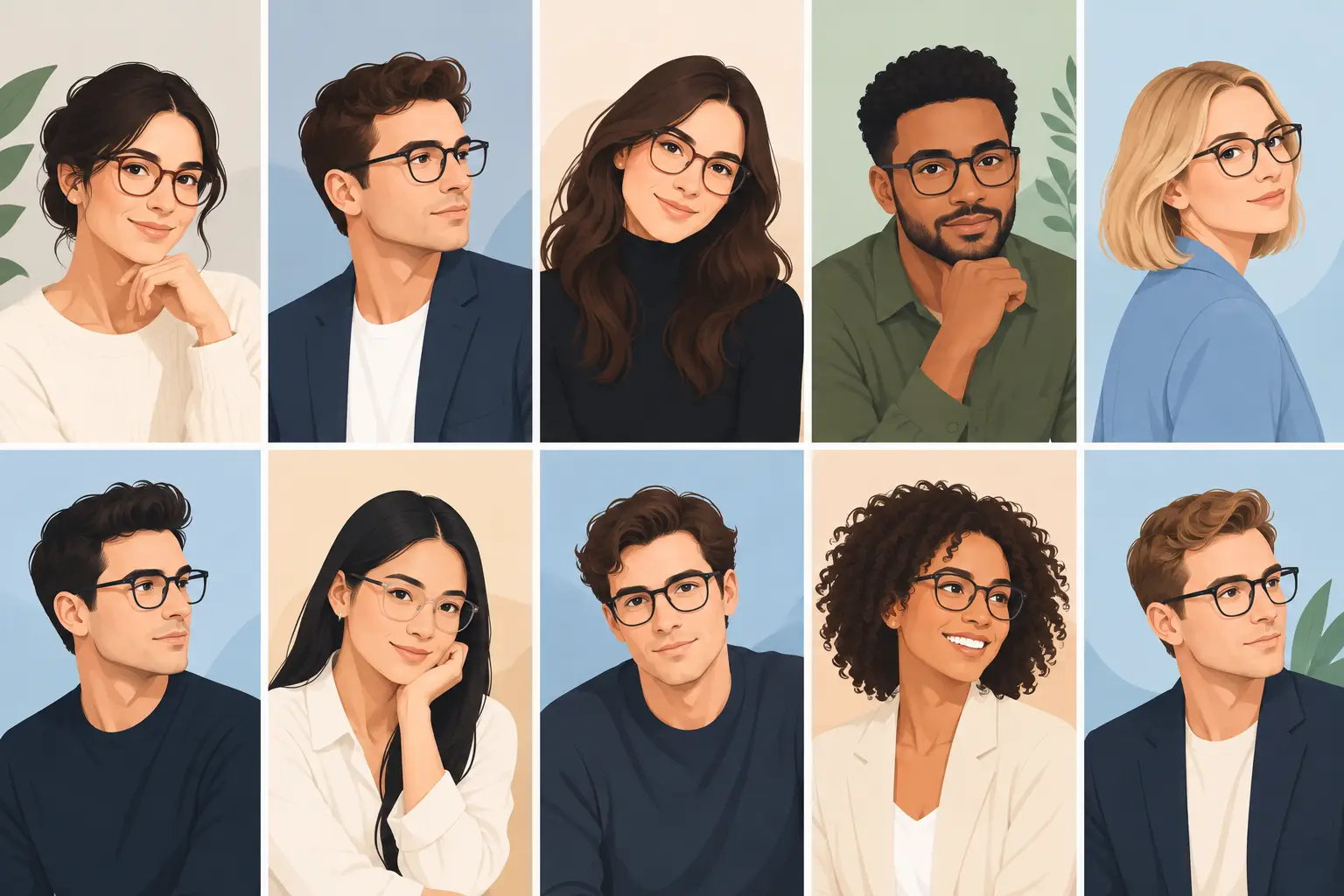
    Glasses are not something to hide in a portrait. They are part of your presence: thoughtful, distinctive, polished, and often deeply personal. The best portrait poses for glasses do more than prevent lens glare. They use posture, expression, angle, and intentional lighting to make your frames feel like a natural extension of your style.

    For a professional headshot, personal branding session, or milestone portrait, the goal is not to pose around your glasses. It is to create an image where your eyes remain beautifully visible and your confidence comes through without distraction. A skilled photographer will guide every adjustment, so you never have to wonder what to do with your hands, chin, shoulders, or gaze.

    Why Glasses Require a More Intentional Portrait Pose

    Frames create strong lines around the face, and lenses can reflect a window, softbox, or overhead light in a fraction of a second. That does not make glasses difficult to photograph. It simply means the smallest refinements matter more.

    A slight turn of the head can reduce reflection while adding shape to the jawline. A gentle shift of the chin can help the eyes appear open and engaged behind the lenses. The right pose also keeps frames from sitting unevenly or dominating the image. In a refined portrait, people should notice your expression first, then appreciate the details that make the image unmistakably yours.

    Your frame style matters, too. Delicate wire frames, bold acetate shapes, cat-eye silhouettes, and rimless glasses each create a different visual effect. There is no single pose that flatters everyone. The most beautiful result comes from matching the pose to your features, wardrobe, frame shape, and the purpose of the portrait.

    10 Best Portrait Poses for Glasses

    1. The Soft Three-Quarter Turn

    Turn your body slightly away from the camera, then bring your face back toward the lens. This classic three-quarter position adds dimension to the shoulders and face while giving the photographer room to control reflections in your lenses.

    Keep your chin level or lowered just a touch. Looking directly into the camera from this position creates a confident, approachable image that works beautifully for headshots and branding portraits.

    2. The Seated Lean-In

    Sit near the front edge of a chair or stool and lean forward very slightly from the waist. The movement is subtle, but it brings warmth and engagement to the portrait without feeling overly posed.

    This is especially flattering for women who want a polished but conversational look. Resting one forearm lightly on your thigh or placing a hand near the elbow creates purpose for the hands and keeps the pose elegant.

    3. The Shoulder-Forward Portrait

    Bring one shoulder a little closer to the camera while keeping the face softly turned back toward the lens. This pose creates a graceful line through the neck and collarbone, and it works especially well with tailored jackets, draped blouses, and dresses with a clean neckline.

    For glasses wearers, the position helps avoid a perfectly flat, straight-on lens angle, where reflections are more likely to appear. The effect is poised and editorial rather than stiff.

    4. The Gentle Chin Dip

    A modest chin dip can make a portrait feel intimate, self-assured, and quietly powerful. The key is restraint. Lowering the chin too far can cause the upper rims of the glasses to obscure the eyes or catch unwanted light.

    When done well, this pose encourages you to look up through your eyes rather than tilt your whole face upward. It is a beautiful choice for close portraits where the goal is to capture character and connection.

    5. The Side Gaze

    Not every meaningful portrait requires direct eye contact with the camera. Looking just beyond the lens, toward a window, or toward a thoughtfully placed light can create a reflective, sophisticated feeling.

    A side gaze is particularly lovely for personal branding images with a softer narrative. It suggests focus, vision, and ease. The photographer should keep your face turned enough toward the light that both eyes remain visible behind the glasses.

    6. The Relaxed Standing Pose

    Stand with your weight settled into one leg and the opposite knee softened. This prevents the squared-off stance that can make anyone feel rigid in front of the camera. Angle your body slightly, relax the shoulders, and allow one hand to rest naturally at your waist, in a pocket, or against the side of your jacket.

    This pose is versatile for full-length and three-quarter portraits. It also gives the photographer flexibility to adjust light and camera height for glare-free lenses.

    7. The Hand-to-Frame Gesture

    A light touch near the temple of your glasses can look intelligent and effortless when it is brief and natural. Think of adjusting your frames, not holding them in place. Your fingertips should barely make contact, and your hand should remain soft.

    This gesture is ideal for branding portraits, particularly for consultants, attorneys, creatives, and entrepreneurs who want an image with a sense of thoughtfulness or motion. It is less suited to a formal headshot where a clean, timeless expression is the priority.

    8. The Over-the-Shoulder Look

    Turn your body away from the camera, then look back over the shoulder with a relaxed expression. This creates movement and can be striking for fashion-forward portraits, milestone sessions, and boudoir imagery.

    Because the face is turned, lens reflections are often easier to manage. The photographer will guide the precise degree of rotation, since moving just an inch too far can make one lens appear much more prominent than the other.

    9. The Seated Profile-Inspired Pose

    Sit sideways on a chair or bench, with your torso angled away and your face returned partway toward the camera. This creates an elegant, lengthened line and allows glasses to become a refined part of the composition.

    It is a flattering option for women who prefer a more relaxed, editorial feel over a traditional front-facing portrait. A softly placed hand at the collarbone, wrist, or lap can add quiet grace without drawing attention away from the face.

    10. The Natural Laugh or Conversation Moment

    Some of the most compelling portraits happen between formal poses. A genuine smile, a moment of laughter, or a quiet response to the photographer can soften the eyes and bring real life to the image.

    With glasses, these moments are especially valuable because they prevent the portrait from feeling overly controlled. The frames remain part of your look, but your warmth becomes the focus.

    Pose Adjustments That Keep Your Eyes Visible

    The best pose can still fall flat if glare covers the eyes. Fortunately, glare is usually a lighting and angle issue, not a reason to remove your glasses. A professional photographer may raise or lower the light, change the camera position, ask you to angle your temples slightly, or adjust the tilt of your chin.

    A very small downward tilt of the glasses themselves can sometimes reduce reflection, but this should be done carefully. Frames must still sit naturally and evenly on the face. If an adjustment makes the glasses look crooked, it is not worth the trade-off.

    Camera height also matters. A photographer shooting slightly above eye level can be flattering, but the exact position depends on your lenses and face shape. There is no universal rule that says every glasses wearer should look up, down, or turn to one particular side. Expert direction is about observing what works in the moment.

    Styling Glasses for a Luxury Portrait Session

    Treat your frames as part of the wardrobe. Clean the lenses thoroughly before your session, including the corners and nose pads where fingerprints and makeup can collect. If you own more than one pair, bring options. A subtle pair may suit a classic headshot, while a bolder frame might elevate a personal branding image or expressive portrait.

    Consider whether your glasses complement your clothing palette. Dark frames can create beautiful definition against lighter garments, while translucent or metallic frames often feel softer and more delicate. If you wear progressive or strongly reflective lenses, let your photographer know ahead of time. It allows extra time for precise lighting adjustments.

    Hair and makeup should support the eyes rather than compete with the frames. Defined lashes, softly groomed brows, and intentional color around the face can make the eyes read clearly in photographs. The effect should still feel like you, only more polished and camera-ready.

    When to Photograph Without Glasses

    Some clients choose a few portraits without glasses and others with them. This can be useful if you wear glasses daily but also want flexibility for different professional contexts. For example, a branding gallery may include both a direct, glasses-on authority portrait and a softer, glasses-free lifestyle image.

    Still, if glasses are part of how you move through the world, there is no reason to leave them out of your signature images. A portrait should reflect your identity, not ask you to edit it away. At Franklin Photography Studios, the experience is designed around thoughtful direction and precise lighting, so every detail supports the way you want to be seen.

    Bring the frames that feel most like you, then allow the pose to follow your natural presence. When your eyes are lit beautifully, your posture feels grounded, and your expression is genuine, glasses become more than an accessory. They become part of the story your portrait will treasure for a lifetime.

  • Are Boudoir Photos Professionally Retouched?

    Are Boudoir Photos Professionally Retouched?

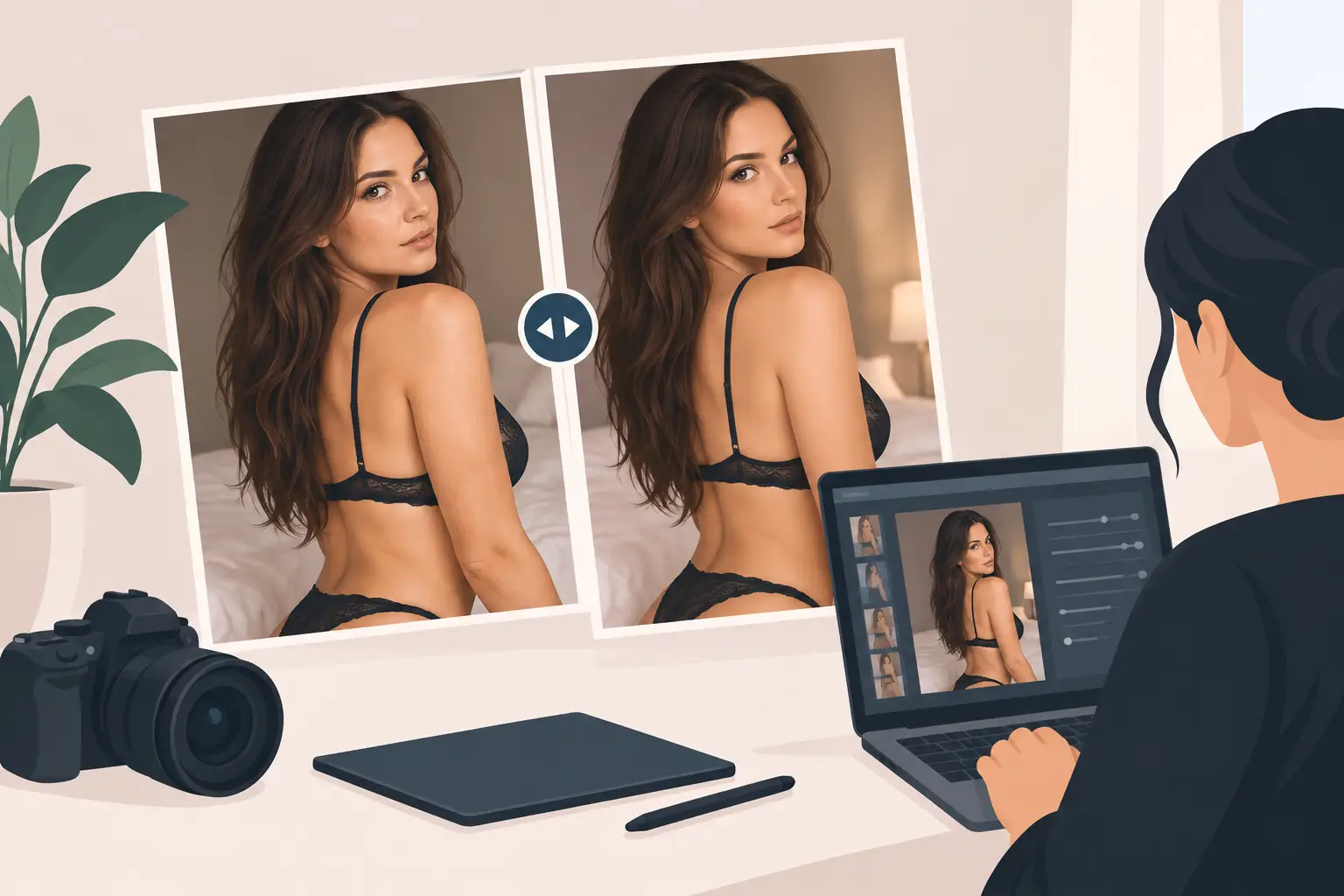
    A boudoir portrait should feel like you on an exceptional day: poised, beautifully lit, and fully present in your own confidence. So, are boudoir photos professionally retouched? At a luxury studio, yes. Thoughtful professional retouching is part of the finished portrait experience, but its purpose is not to erase the woman in the image. Its purpose is to refine the photograph so your essence, strength, and beauty are what command attention.

    For many women, this question carries more weight than a technical curiosity. It may come with concerns about looking unlike yourself, pressure to appear flawless, or uncertainty about what will be visible in an intimate portrait. The right answer is not simply that retouching happens. It is that the process should be intentional, skillful, and guided by your comfort.

    Are boudoir photos professionally retouched? Yes, with intention

    Professional retouching is the final stage of a carefully crafted image. It works alongside expert posing, styling, hair and makeup, and flattering light. When those elements are done well in camera, editing becomes a sophisticated polish rather than an attempt to rescue the photograph.

    A finished boudoir portrait may receive adjustments to color, exposure, contrast, and skin tone so it has a luminous, cohesive quality. An editor may soften a temporary blemish, reduce a distracting under-eye shadow, tame flyaway hairs, or refine a wrinkle in fabric that pulls attention away from your expression. Details in the background, wardrobe, or set can also be cleaned up to preserve the elegance of the final piece.

    These refinements are standard because photography captures every small visual detail, including ones the eye would ordinarily overlook in person. A camera can emphasize a crease created by a pose, a momentary mark on the skin, or a reflection that does not belong in a finished portrait. Professional editing helps the image reflect how the session felt: elevated, composed, and beautiful.

    What refined boudoir retouching should preserve

    The best retouching is often difficult to identify. You see an exquisite portrait, not a collection of editing techniques. Skin still has texture. Your facial features remain yours. Your body retains its natural shape, presence, and individuality.

    That distinction matters. Over-retouching can make skin appear waxy, remove the character from a smile, or alter proportions so dramatically that the finished image no longer feels personal. An image may look technically smooth, yet emotionally distant. Boudoir photography deserves more than a generic version of perfection.

    At Franklin Photography Studios, the goal is to create imagery that feels polished and artful while honoring the woman who stepped in front of the camera. A striking portrait is not built on the idea that you need to be changed. It is built through direction, light, expression, and a refined visual finish that allows you to see yourself with fresh appreciation.

    Temporary details versus defining features

    A useful way to think about retouching is to separate temporary details from the features that tell your story. A temporary breakout, a stray hair across the face, or a pressure mark from clothing may not represent how you want to remember this season. Many clients prefer those details softened or removed.

    Other features can be deeply personal. Freckles, laugh lines, scars, beauty marks, tattoos, and natural body texture are not automatically flaws. They are part of your appearance and, sometimes, part of the reason a portrait feels honest and powerful. Whether to retain, soften, or remove them is a personal decision, not a rule imposed by the studio.

    Body shaping is a conversation, not an assumption

    Body shaping is one of the most sensitive aspects of boudoir retouching. A professional photographer uses posing, camera angles, wardrobe selection, and lighting first because these methods create a naturally flattering result without changing who you are.

    Subtle refinements may be available when requested, but they should never be assumed. Some clients want a small adjustment to a garment line or a temporary mark; others want images that reflect every detail exactly as it appeared that day. Both preferences are valid. The key is clarity before editing begins.

    Why the photography process matters before retouching

    Retouching should support excellent photography, not replace it. This is especially meaningful in boudoir, where confidence is often shaped as much by the experience as by the final images.

    Professional hair and makeup can create camera-ready definition while still looking like you. Guided posing helps you understand what to do with your hands, where to place your gaze, and how to move through each pose without feeling self-conscious. Careful lighting can highlight your eyes, create graceful contours, and bring softness to skin before a single image reaches the editing stage.

    A full-service session also gives you room to settle into the experience. You do not need to arrive knowing how to pose or how to create a certain expression. You simply need a willingness to be guided. That support often changes the way clients see themselves long before they view their final portraits.

    How to talk about your retouching preferences

    You do not need technical language to communicate what feels right. A trusted photographer should make space for an honest conversation about your goals, your concerns, and the details that matter most to you.

    Start by sharing how you want your images to feel. Perhaps you want timeless and natural, glamorous and editorial, or softly romantic. Then name anything that may make you feel vulnerable. You can say that you love your freckles, would prefer a temporary blemish removed, want a tattoo visible, or feel uncertain about a particular area of your body. These details help your photographer approach the session and the final edits with care.

    It is also helpful to ask what is included in the studio’s standard retouching process and whether additional requests can be accommodated. There is a practical trade-off here: highly detailed custom edits require additional time and may affect delivery schedules or image pricing. Clear expectations prevent disappointment and ensure the investment reflects the level of artistry you want.

    Questions worth asking before your session

    Before booking, ask to see examples of the studio’s finished work and look closely at the editing style. Do faces look expressive? Does skin look believable? Are the images consistent in color, tone, and quality? A beautiful portfolio can tell you more than a promise of “full retouching.”

    You may also ask how the studio handles privacy, how image selections are made, and when you will be able to communicate editing preferences. Boudoir is personal. You deserve a process that feels discreet, respectful, and aligned with your boundaries from the first consultation to the final artwork.

    The goal is recognition, not reinvention

    A professionally retouched boudoir photograph should invite a powerful reaction: “That is me.” Not a stranger with your face, and not a diminished version of you shaped by someone else’s standard of beauty. You should recognize your features, your spirit, and the confidence that emerged when you allowed yourself to be seen.

    The most meaningful portraits do not ask you to earn your place in front of the camera by becoming flawless first. They honor the woman you are now, then present her with exceptional care. Choose a photographer whose artistry makes you feel elevated without ever making you feel erased.

  • 12 Best Personal Branding Photo Props That Feel Like You

    12 Best Personal Branding Photo Props That Feel Like You

    A beautiful personal branding portrait should never look like a stranger’s idea of your business. The best personal branding photo props offer a visual cue to your expertise, personality, and point of view without distracting from the woman clients are hiring. Chosen well, they make your images feel editorial, intentional, and entirely your own.

    For women entrepreneurs, consultants, creatives, and executives, props are not decoration. They are supporting details that help tell a client, customer, or collaborator what it feels like to work with you. A refined notebook may suggest thoughtful strategy. A sculptural coffee cup can create an approachable, conversational moment. Your signature product can make your expertise immediately tangible.

    The key is restraint. One meaningful prop photographed with confidence has more impact than a table crowded with objects that do not belong to your brand.

    The Best Personal Branding Photo Props Start With Strategy

    Before choosing anything, consider the impression your imagery needs to create. Are you warm and relationship-driven? Precise and analytical? Creative and expressive? A luxury service provider will likely choose different visual details than a wellness professional, attorney, interior designer, or founder of a product-based brand.

    Your props should support three things: what you do, how you work, and what makes your brand memorable. They also need to photograph beautifully. Texture, shape, scale, and color matter as much as meaning. A luxury portrait session is designed to capture your essence, so every item in the frame should earn its place.

    Avoid bringing props merely because they are popular online. A generic laptop, a stack of books you have never opened, or a bouquet that clashes with your brand palette can make imagery feel staged rather than polished. It is perfectly acceptable to use no props at all for certain portraits. A direct gaze, exceptional styling, and flattering light can say everything.

    12 Personal Branding Photo Props Worth Considering

    1. A Signature Notebook or Journal

    A beautiful notebook is one of the most versatile choices for coaches, writers, strategists, educators, and founders. It creates natural movement: writing, reviewing notes, holding it at your side, or pausing in thoughtful reflection. Choose one with a clean cover in a color that supports your visual identity, rather than a busy design that competes with your wardrobe.

    2. Your Laptop or Tablet

    Technology is useful when your work genuinely happens on a screen. A laptop can communicate preparation, communication, or creative direction, particularly for consultants and digital entrepreneurs. Keep the screen simple and uncluttered. A carefully designed presentation, a mood board, or your own website can work beautifully, while a crowded inbox rarely elevates a portrait.

    3. A Fine Pen

    A quality pen is a small detail with surprising presence. It suggests discernment, decision-making, and attention to detail. It is especially fitting for professionals who lead meetings, sign agreements, develop strategy, or work one-on-one with clients. In a close portrait, it can feel far more elevated than a large, obvious office accessory.

    4. Your Product or Signature Tool

    If you make or sell something tangible, bring it into the frame. A jewelry designer may hold a finished piece; a skincare founder may work with elegant product packaging; an interior designer may carry material samples. Service providers can also use a signature tool, such as a stylist’s garment rack, a florist’s shears, or an artist’s brush.

    The distinction is important: the prop should look considered, not like a sales catalog. One or two hero pieces are usually enough.

    5. A Curated Book or Magazine

    Books add intellect, texture, and a sense of personal taste. They work particularly well for authors, therapists, architects, educators, and women whose brands are grounded in ideas. Select titles that align with your values or industry, and use books with visually appealing spines or covers. A single open book often photographs more naturally than a tall, unstable stack.

    6. Coffee or Tea Service

    A beautiful cup, saucer, or glass can communicate warmth and hospitality. This is an excellent option for professionals whose client relationships begin with conversation: real estate advisors, financial professionals, therapists, and coaches, for example. The styling should feel intentional. A refined vessel complements a luxury brand; a disposable cup can undercut the experience unless that casual, on-the-go energy is truly central to your work.

    7. Your Phone, Used Sparingly

    For business owners who lead teams, create content, or work in active communication with clients, a phone can be realistic and relevant. It may suggest responsiveness and modern leadership. Yet it is easy to overuse. One image of you reviewing a message or taking a call is enough. Your brand should still center on your presence, not a device.

    8. Flowers or Botanical Elements

    Fresh flowers introduce softness, dimension, and color. They are especially beautiful for brands that are feminine, artistic, wellness-oriented, or centered on celebration. The best arrangements feel editorial rather than overly themed. Consider a few stems, a striking branch, or florals in a restrained palette that complements your clothing and the set.

    9. Packaging, Stationery, or Brand Materials

    Thoughtfully designed business cards, thank-you notes, tissue paper, appointment cards, or branded boxes can tell a powerful story about your client experience. These details are ideal for product-based businesses and premium service brands alike. They show care before a client even reads a word.

    Bring only finished, high-quality materials. If your branding is being updated, wait until the final pieces are in hand. Personal branding imagery has a longer shelf life when it reflects where your business is going, not where it has been.

    10. Headphones, Microphone, or Camera

    These props are most effective when content creation is a meaningful part of your business. Podcasters, musicians, photographers, video professionals, and speakers can use them to make their work recognizable at a glance. Choose equipment that is clean and visually consistent with your brand. A tangle of cords or mismatched gear can quickly look accidental.

    11. Fabric Swatches, Sketches, or Creative Materials

    Creative professionals often need a visual language that goes beyond a computer screen. Interior designers, fashion professionals, artists, and event planners can bring swatches, sketches, paint samples, or a thoughtfully assembled inspiration board. These items create an authentic behind-the-scenes perspective and add layered visual interest to a session.

    12. A Personal Detail With Meaning

    The most memorable images sometimes include something less expected: a vintage camera inherited from a grandparent, a beloved cookbook, an instrument, a travel keepsake, or the leash of a cherished dog. These details should be chosen with care. They work when they reveal a truthful facet of your life and values, not when they turn a professional session into a collection of unrelated hobbies.

    For many women, this is where personal branding becomes especially powerful. You are not required to separate your success from the life that shaped it.

    How to Style Props Without Looking Staged

    A prop should give you something to do, not something to perform. Instead of staring at a laptop while pretending to type, review a real presentation. Rather than holding a coffee cup in every photograph, use it for a few relaxed frames and then set it aside. Authentic action photographs more beautifully than a frozen pose.

    Color is another consideration. Begin with your wardrobe, then select props that either complement it or offer a purposeful contrast. Neutral objects tend to give your gallery flexibility across a website, social media, and print materials. If your brand has a distinctive color, incorporate it thoughtfully through a notebook, floral accent, or packaging rather than dressing every element in the same shade.

    Scale matters, too. Large props can overwhelm a portrait and limit composition. Small items may disappear unless photographed close. An experienced photographer can help determine what will read well in the final image and arrange each detail with intention.

    What to Leave at Home

    Not every business tool belongs in a portrait session. Bulky binders, wrinkled paper, random office supplies, heavily logoed promotional items, and anything that feels dated can dilute a premium visual message. The same is true of items you do not actually use. Your audience can sense when an image feels borrowed.

    If you are uncertain whether something belongs, ask whether it would make sense in a photograph five years from now. Your brand will evolve, but images rooted in confidence, expertise, and genuine personal style tend to remain relevant much longer than trend-driven accessories.

    A guided session is the ideal place to test these choices. At Franklin Photography Studios, every element can be considered alongside professional styling, hair and makeup, curated sets, and lighting designed to flatter you beautifully. The goal is not to fill the frame. It is to create images that let clients see the capable, compelling woman behind the business.

    Choose the objects that make you feel most like yourself at your best. When you do, your photos will carry more than a polished look – they will carry presence.

  • How to Choose Boudoir Lighting That Flatters

    How to Choose Boudoir Lighting That Flatters

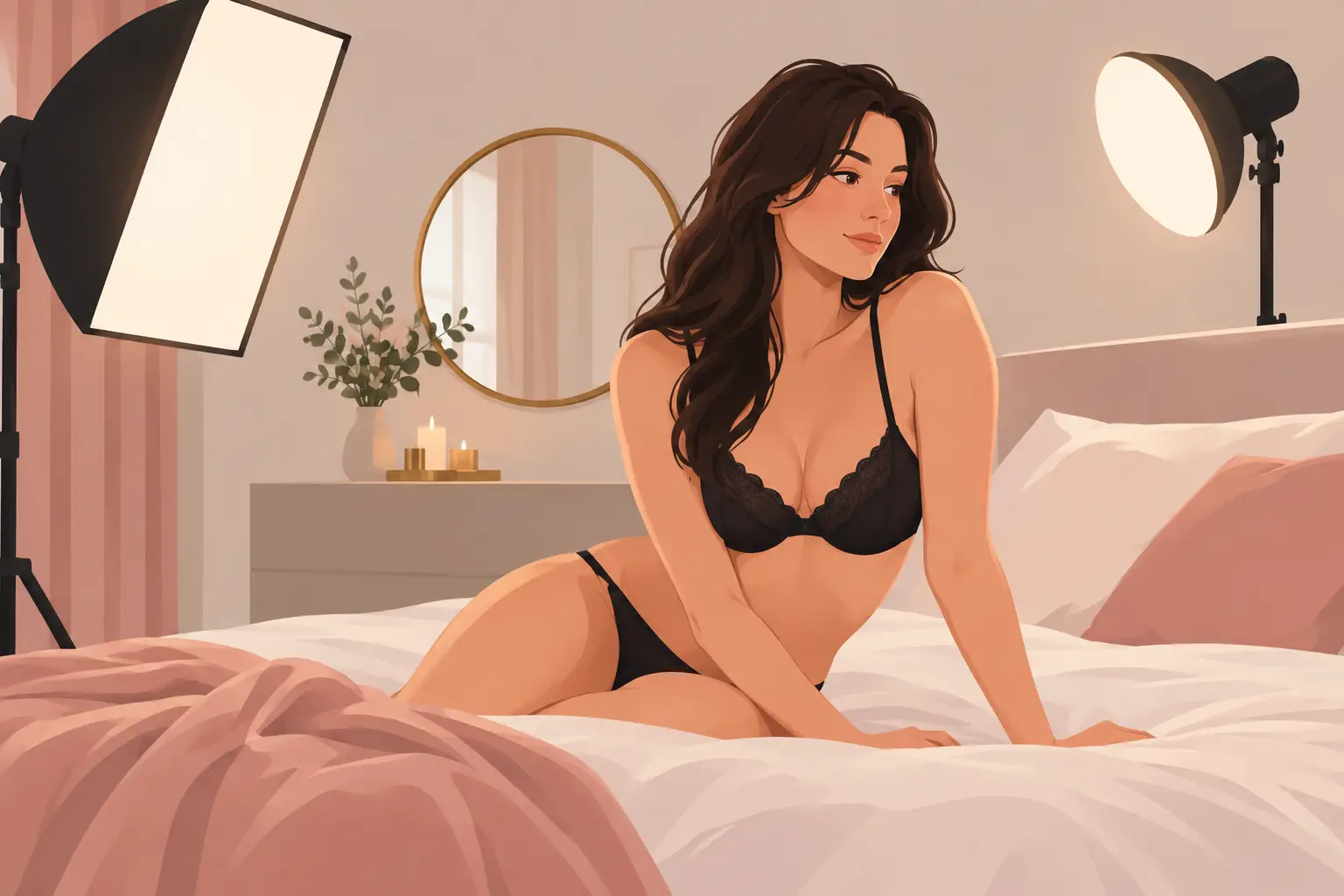
    The most beautiful boudoir portraits do not depend on one “perfect” light setup. They depend on light that honors the woman in front of the camera. Knowing how to choose boudoir lighting begins with a more personal question: how do you want to feel when you see your images? Soft and romantic, sculpted and editorial, powerful and dramatic, or luminous and effortless? Your answer shapes every creative choice that follows.

    At a full-service boudoir session, lighting is never an afterthought. It works alongside wardrobe, posing, hair and makeup, set design, and image finishing to capture your essence with refinement. The goal is not to disguise who you are. It is to shape the frame in a way that celebrates your confidence, curves, skin, expression, and individuality.

    How to Choose Boudoir Lighting for Your Desired Mood

    Lighting establishes the emotional temperature of a portrait before viewers notice a single detail. A bright, airy image can feel fresh and intimate. Deep shadows and a narrow pool of light can feel cinematic, private, and undeniably confident. Neither approach is universally more flattering. The right choice depends on your vision, comfort level, and the story you want your portraits to tell.

    Soft, diffused light is a beautiful choice for clients who want an elegant, timeless result. It wraps gently around the face and body, easing the appearance of texture and creating gradual transitions between highlight and shadow. This style is especially lovely for romantic lingerie, flowing robes, maternity portraits, or images centered on softness and connection.

    More directional light creates shape. It can define a shoulder, trace the line of a hip, bring attention to the eyes, or create an arresting silhouette. This approach suits women who are drawn to fashion-inspired imagery, bolder wardrobe pieces, or a mood with a little mystery. Directional light is not about being harsh. When handled with care, it can be exceptionally flattering because it gives the body dimension rather than flattening it.

    For many clients, the most compelling gallery includes both. A session may begin with soft, reassuring light as you settle into the experience, then move toward more sculpted images once your confidence is fully present. That progression often feels natural and allows your final collection to have range.

    Start With What You Want to Emphasize

    Boudoir lighting is a form of visual direction. It guides the eye toward the details you want to celebrate. If your eyes are one of your favorite features, a flattering key light can bring clarity and sparkle to them while keeping the rest of the frame softly understated. If you love the strength in your shoulders or the curve of your waist, side lighting can create graceful definition.

    This is also where professional posing and lighting work together. A small adjustment in chin angle, shoulder placement, or the turn of a wrist changes how light falls across the body. A skilled photographer does not simply place a client under a light and hope for the best. She continually adjusts the light and the pose so the image feels intentional from every angle.

    If you are concerned about a particular area, share that openly before your session. A thoughtful boudoir experience should make room for honest conversation without judgment. You may prefer light that minimizes emphasis on texture, or you may want a pose and shadow pattern that creates more contour. Those preferences are valuable creative direction, not something to apologize for.

    Consider Your Skin Tone, Makeup, and Wardrobe

    The most flattering lighting is responsive to the person being photographed. Skin tone, makeup finish, hair color, and wardrobe fabrics all influence the final image. A luminous makeup look may glow beautifully under soft light, while a more defined eye and rich lip can hold their own in a dramatic, lower-key portrait.

    Wardrobe matters just as much. Satin, silk, sequins, leather, lace, and sheer fabrics each reflect or absorb light differently. A pale silk robe can look ethereal near a large soft light source. A black bodysuit can become beautifully sculptural when rim light separates it from a dark background. Jewelry, too, benefits from intention. A small catch of light on a necklace or earring can look luxurious; too much direct reflection can become distracting.

    This is one reason a guided wardrobe consultation is so valuable. Rather than selecting pieces based only on what looks beautiful on a hanger, consider how each item will photograph in your chosen setting and lighting style. The best choice is usually the piece that makes you stand taller before the camera ever comes out.

    Soft Light Is Not the Only Gentle Choice

    Many women assume soft, bright lighting is the only safe option. It is forgiving, but it is not the sole path to a flattering portrait. Strategic shadows can be remarkably kind. They create dimension, simplify a frame, and allow the viewer to focus on expression, movement, and silhouette.

    A darker image also does not have to feel severe. It can feel warm, intimate, and sophisticated when the highlights are placed with precision. The distinction comes down to control. Poorly placed shadows can obscure features or make an image feel accidental. Expertly shaped shadows feel deliberate and artful.

    Think About the Setting and the Final Artwork

    A lighting choice should make sense within the environment. Window-inspired light pairs naturally with a bedroom set, an upholstered chaise, or a delicate robe. More dramatic studio lighting can elevate a sleek backdrop, statement chair, or editorial wardrobe. When the set, styling, and light are aligned, the image feels polished rather than staged.

    It also helps to consider how you want to enjoy your portraits after the session. If you envision a fine-art album with a romantic, cohesive flow, a consistent lighting palette can create a beautiful visual story across the pages. If you want one statement piece for a private space, you may be drawn to a striking black-and-white portrait or a silhouette with stronger contrast.

    There is a practical trade-off here. Very dark images can be exquisite in print, but they need careful production so shadow detail remains rich rather than muddy. Bright, high-key images may feel open and modern, yet they require clean styling and thoughtful exposure to retain texture in pale fabrics and highlights. A professional studio considers the finished art, not only the preview on a camera screen.

    Trust the Process, but Bring Your Preferences

    You do not need to arrive knowing lighting terminology. You do not need to decide whether you prefer butterfly lighting, split lighting, or feathered light. What you do need is a sense of the emotional result you are hoping for. Save a few images that speak to you, notice whether you are attracted to brightness or shadow, and pay attention to whether the expressions feel playful, serene, sensual, or powerful.

    Then let your photographer translate that feeling into a technical plan. The best boudoir lighting is adaptable. It responds to your comfort in the moment, the way a favorite outfit moves, and the expressions that emerge when you begin to relax. An experienced photographer will read those details and make adjustments that protect both the mood and your confidence.

    At Franklin Photography Studios, the boudoir experience is designed to feel fully guided, from professional styling through the final portrait. That guidance allows you to be present rather than self-conscious about whether you are standing in the right place or making the right expression.

    Choose Light That Feels Like You

    There is no rule that says boudoir must be bright and dreamy, dark and dramatic, or anything in between. The most meaningful portraits are not created by following a trend. They are created when the lighting supports the version of yourself you are ready to see: elegant, sensual, strong, playful, serene, or all of the above.

    Choose lighting that gives you permission to take up space. When every creative detail is shaped around your personal vision, your portraits become more than beautiful photographs. They become a lasting reminder of how it felt to showcase your confidence without holding anything back.

  • Legacy Portraits for Families That Endure

    Legacy Portraits for Families That Endure

    There is a difference between having photos of your family and holding a portrait that feels like your family. Legacy portraits for families are created for that second purpose: to preserve the familiar expression in your mother’s eyes, the way your child leans into you without thinking, and the quiet strength that connects generations. These are not images meant to disappear into a phone album. They are designed to become part of the home and, eventually, part of the family story.

    For many women, the decision to create a family portrait arrives at a meaningful threshold. Perhaps children are growing quickly, parents are entering a new season of life, or several generations are finally together in one place. A thoughtfully crafted portrait gives that moment the presence it deserves. It says that this chapter, and the people within it, are worth remembering beautifully.

    Why Legacy Portraits for Families Matter

    A quick photograph can document who attended a birthday dinner or holiday gathering. A legacy portrait does something more intentional. It captures relationship, personality, and presence with the care required to make an image feel enduring years from now.

    That distinction matters because family photographs often gain value over time. The portrait that feels meaningful today may become the one your children reach for after they have homes and families of their own. It may be the image that helps a grandchild see the elegance of a grandmother they only knew through stories. The emotional return is not immediate alone. It deepens with every passing year.

    A professionally directed experience also gives each person room to look and feel their best. This is especially valuable when a family includes people of different ages, comfort levels, and personalities. Instead of asking everyone to improvise in front of a camera, a skilled portrait artist guides the posing, lighting, and pacing so the final image feels natural rather than stiff.

    A Legacy Portrait Should Feel Like Your Family

    The most memorable family portrait is not necessarily the one where everyone is laughing at the same instant. It is the one that reveals something true. A close mother-and-daughter portrait may be tender and elegant. A multigenerational image may carry a sense of history and pride. A portrait with adult children may feel refined, confident, and wonderfully current.

    This is why a one-size-fits-all approach rarely produces heirloom-quality work. The portrait should be shaped around the people in it. Consider the energy of your family, the relationships you want to honor, and the feeling you would like to experience each time you see the finished piece. Some families are drawn to soft connection and timeless simplicity. Others want a polished editorial style that celebrates their confidence and individuality.

    The goal is not to make every family look the same. The goal is to create artwork that could belong only to yours.

    The relationships worth preserving

    Before planning a session, think beyond the group photograph. Is there a relationship within the family that deserves its own frame? A grandmother with her granddaughters, sisters entering new seasons of adulthood, or a mother with her son can create a portrait with remarkable emotional depth.

    Including these smaller pairings alongside the full family portrait often adds dimension to the final collection. It also allows every person to feel seen. A family legacy is made of the whole group, certainly, but it is also made of the individual bonds within it.

    The Details That Elevate the Experience

    Luxury portraiture is not about excess. It is about thoughtful preparation and expert attention to the details that allow you to be fully present. When wardrobe, hair and makeup, posing, lighting, and artwork design are handled with care, you are free to focus on the people beside you.

    Wardrobe is one of the most influential choices. Coordinated clothing does not mean identical outfits. In fact, perfectly matching attire can make a portrait feel dated quickly. A more elevated approach begins with a complementary color palette, varied textures, and silhouettes that flatter each individual. Rich neutrals, soft tonal layers, and intentional accessories tend to photograph with greater sophistication than busy prints or prominent logos.

    Professional hair and makeup can be especially meaningful for women who are accustomed to putting everyone else first. The purpose is not to make you look like someone else. It is to refine what is already beautiful, enhance your features for the camera, and help you step into the portrait with confidence.

    Lighting is equally essential. Expert lighting creates shape, warmth, and a polished finish while honoring every age and skin tone. It can soften without erasing character. It can create drama without making the image feel severe. This balance is part of what distinguishes a carefully crafted studio portrait from an ordinary photograph.

    Choosing the Right Time for a Family Portrait

    There is rarely a perfectly convenient time to schedule a portrait session. Calendars fill, children change, and family members live in different places. Waiting for everything to align can mean postponing the experience for years.

    Milestones are a wonderful reason to plan: a significant birthday, an anniversary, a graduation, a new baby, a family reunion, or a visit from loved ones who live out of state. Yet an ordinary season can be just as worthy. You do not need a formal occasion to celebrate the people who make your life meaningful.

    There are practical considerations, of course. If young children are part of the session, choose a time when they are generally rested and well fed. If an older relative has mobility concerns, communicate those needs in advance so the pacing and posing can be adjusted comfortably. A refined portrait experience should never ask someone to endure unnecessary discomfort for the sake of a beautiful image.

    For families in Scottsdale, Phoenix, and surrounding areas, a studio session also offers welcome consistency. There is no need to monitor the weather, chase the fading light, or worry that wind and heat will affect carefully planned styling. A controlled studio environment can be particularly valuable when the desired result is timeless and polished.

    From Session to Heirloom Artwork

    The session is only part of the legacy. A portrait becomes more powerful when it is given a permanent place in your life.

    A striking wall portrait can transform an entryway, living space, or bedroom into a daily reminder of connection. A beautifully crafted album invites conversation and lets children experience their own history in a tangible form. Smaller framed pieces can be gifted to grandparents or shared among family members, extending the meaning of the session beyond one home.

    The best format depends on how you want to live with the images. A grand, formal family portrait may deserve a statement piece on the wall. Intimate mother-and-daughter images may feel especially at home in an album or a pair of fine art prints. Your portrait artist should help you consider scale, placement, finish, and long-term durability rather than leaving those decisions until after the excitement of the session has passed.

    This is where a full-service studio experience offers a meaningful advantage. At Franklin Photography Studios, the portrait process is designed with the finished artwork in mind from the beginning, so each decision supports the story you want your images to tell.

    Let Go of the Pressure to Be Perfect

    Many women hesitate because they worry that everyone must lose weight, have the right wardrobe, or behave perfectly before scheduling a family portrait. Those concerns are understandable, but they can also keep meaningful moments from being preserved.

    Your family does not need to be flawless to be worthy of beautiful portraiture. Children do not need to sit still every second. Adults do not need to know how to pose. A capable photographer creates calm direction, adapts to real personalities, and knows when an unplanned expression says more than a carefully arranged one.

    What matters is not perfection. It is presence. Years from now, the details you may be tempted to criticize will fade beside the larger truth of who was there, how you belonged to one another, and how it felt to be together.

    Choose a time that feels meaningful, allow yourself to be cared for in the process, and create the portrait while the people you love can still gather around you. That is how an image becomes a treasure for a lifetime.

  • Portrait Photography That Feels Like You

    Portrait Photography That Feels Like You

    A beautiful portrait can change the way you see yourself. Not because it turns you into someone else, but because it gives you the rare opportunity to be fully seen: poised, expressive, powerful, and entirely yourself. Portrait photography is at its best when it does more than document an appearance. It captures presence.

    For many women, stepping in front of a camera brings equal parts excitement and hesitation. You may be celebrating a milestone, stepping into a new season of life, refreshing your professional image, or simply ready to have photographs that reflect how much you have grown. Whatever brings you there, the experience should feel considered from the first conversation through the final artwork.

    Portrait Photography Is a Guided Experience

    Exceptional portrait photography is not about arriving camera-ready with a practiced pose. It is about being guided by a team that understands light, expression, composition, wardrobe, and the quiet details that make an image feel elevated.

    A professional portrait session begins long before the camera comes out. It starts with intention. What do you want these images to say? Perhaps you want to showcase your confidence as a business owner, honor the beauty of pregnancy, celebrate the woman you are after 50, or create an heirloom portrait with the people and pets you love most.

    The answers influence every creative choice. A personal branding portrait may call for clean lines, editorial polish, and a direct, approachable expression. A boudoir session may lean into softness, strength, and privacy. A mother-and-daughter portrait often benefits from coordinated styling and a set that leaves room for connection rather than formality.

    There is no single formula for a meaningful portrait. The best images are tailored to the person in them.

    Why Professional Styling Changes the Result

    One of the greatest gifts of a full-service session is not having to manage every detail on your own. Professional hair and makeup are not about covering who you are. They are designed to bring balance and polish to the camera, where studio lighting can reveal details differently than a bathroom mirror or a phone camera does.

    A skilled artist considers your skin tone, features, hairstyle, wardrobe, and the intended mood of the session. Makeup for photography is often slightly more refined than everyday makeup, yet it should still look like you. The goal is luminous skin, defined eyes, and a finish that holds up beautifully under professional lighting without feeling heavy or unfamiliar.

    Wardrobe matters for the same reason. Certain colors, fabrics, necklines, and silhouettes photograph with greater ease. Texture can add richness, while overly busy patterns can compete with your face. This does not mean every client should wear the same neutral dress or tailored blazer. It means selecting pieces that support the story you want to tell.

    For a branding session, a structured jacket, elegant blouse, or statement color may reinforce leadership and visibility. For a more intimate portrait, flowing fabric or a well-fitted black dress can create timeless drama. The right choice depends on your personality, your goals, and how you want to feel when you see the finished photographs.

    The Difference Is in the Direction

    Most people are not professional models, and they do not need to be. In fact, the worry of not knowing how to pose is often the very reason clients postpone a session they genuinely want.

    Expert direction removes that pressure. Instead of being told to “act natural,” you are given small, precise adjustments that create natural-looking results: soften the shoulder, lengthen through the spine, turn slightly toward the light, bring your chin forward, relax your hands, or shift your weight. These details are subtle, but they change the entire frame.

    Good posing should never feel stiff or generic. It should honor the individual body in front of the camera. A pose that flatters one person may feel awkward or unflattering on another. The photographer’s role is to observe, adjust, and create a rhythm where you can settle into the experience.

    Expression matters just as much. A quiet glance can feel elegant. A full laugh can feel magnetic. A direct gaze can communicate authority without saying a word. The strongest portraits often happen in the moments between poses, when you stop performing and begin to connect with the process.

    Light Should Flatter, Not Distract

    Lighting is one of the clearest distinctions between a quick photo and a crafted portrait. It shapes the face, creates dimension, defines mood, and directs the viewer’s attention exactly where it belongs.

    Soft, carefully placed light can bring a graceful glow to the skin and make the eyes feel alive. More sculpted light can create drama, depth, and a polished editorial quality. Neither approach is inherently better. The right choice depends on the desired feeling of the portrait and the features being photographed.

    For women who have spent years avoiding the camera because they are concerned about lines, texture, or changes in their face, thoughtful lighting can be especially reassuring. It is not about erasing life from a face. It is about photographing that face with respect. Experience, warmth, and character are not flaws to be hidden. They are part of what makes a portrait compelling.

    At Franklin Photography Studios, every lighting choice is made to help clients feel confident, refined, and genuinely recognized. That level of care is particularly valuable when the photographs are intended to become personal artwork, professional assets, or family treasures.

    A Portrait Can Mark a Turning Point

    Not every portrait session needs a formal occasion. Sometimes the occasion is that you are ready.

    A woman may book a session after building a business, raising a family, recovering from a difficult chapter, reaching a milestone birthday, or deciding that her image deserves the same attention she gives everyone else. Those reasons are deeply personal, and they deserve more than a rushed appointment and a folder of forgotten digital files.

    For entrepreneurs, portraits can provide the visual foundation for a more visible brand. Consistent, polished imagery helps potential clients understand the level of care, expertise, and professionalism behind your work. But the value goes beyond marketing. Seeing yourself presented with intention can shift how you show up in meetings, on social media, and in your own decisions.

    For maternity clients, a portrait becomes a record of anticipation and strength. For a boudoir client, it can be an act of self-possession. For a family, generational, or pet portrait, it becomes proof of connection at a particular point in time. The image may be beautiful because of the styling and craftsmanship, but it becomes meaningful because of what it holds.

    Choosing the Right Portrait Photographer

    When selecting a photographer, look beyond a highlight reel of attractive images. Ask whether the work feels consistent across different ages, body types, skin tones, and session styles. Notice whether the expressions feel relaxed and the lighting feels intentional. Consider whether the studio offers the level of support you want, from wardrobe guidance to makeup to help selecting finished artwork.

    It is also worth considering the experience itself. A luxury portrait session is an investment in both imagery and care. You should feel listened to before your session, comfortable while being photographed, and confident in the quality of what you receive afterward.

    Price will naturally be part of the decision, but it should not be the only measure of value. A lower-cost session may be suitable when you only need a quick image. For portraits tied to your identity, family legacy, or professional visibility, the planning, direction, retouching, and finished presentation can make a meaningful difference.

    Let the Images Live Beyond Your Phone

    Digital photographs are convenient, but the portraits that become part of your life are often the ones you can see. A framed image in your home, a fine-art album on a coffee table, or a thoughtfully designed collection can turn a beautiful session into something you return to for years.

    Choose images that make you pause. Choose the expression where you recognize your own strength, the laugh that feels familiar, or the quiet frame that reveals something you had forgotten was there. The right portrait does not ask you to become more worthy of being photographed. It simply reminds you that you already are.

  • Headshots Versus Selfies: Which Builds Trust?

    Headshots Versus Selfies: Which Builds Trust?

    A potential client pauses on your website, LinkedIn profile, or Instagram page for only a moment before forming an impression. In that moment, the choice between headshots versus selfies can quietly shape whether you appear established, approachable, and ready for the opportunity in front of you.

    A selfie is not inherently wrong. It can feel immediate, personable, and perfectly appropriate for a casual update or a behind-the-scenes post. But when your image represents your expertise, your business, or a meaningful new chapter, a professional portrait carries a different kind of presence. It says that you value the work, the audience, and yourself enough to show up with intention.

    Headshots Versus Selfies: The Difference Is Direction

    The most significant difference is not simply camera quality. Modern phones are capable of beautiful images. The difference is professional direction.

    A selfie asks you to be the subject, stylist, lighting assistant, photographer, and editor at once. You are making choices about angle, expression, posture, background, and timing while trying to look natural. That is a great deal to manage, especially when the photograph needs to communicate confidence rather than convenience.

    A professional headshot is designed around you. An experienced photographer reads the details that are hard to see in the moment: a shoulder that needs to soften, a chin that needs a slight adjustment, a hand that feels tense, or a smile that looks more genuine after you have had a moment to settle in. Expert lighting is shaped to flatter your features, bring warmth to your eyes, and create dimension rather than leaving your face at the mercy of overhead lighting or a bright car window.

    The result is not a version of you that feels overly polished or unfamiliar. It is you, presented with clarity, strength, and refinement.

    What a Professional Headshot Communicates

    A polished headshot gives people visual reassurance before they ever meet you. For an entrepreneur, it can reinforce the caliber of your service. For an executive or job candidate, it signals professionalism and readiness. For a creative professional, it can reveal personality without sacrificing polish.

    This matters because people often make trust decisions quickly. A thoughtful portrait tells your audience that you are intentional about your presentation. It supports the message behind your bio, your credentials, your pricing, and your work.

    Professional headshots also create consistency. When your website, speaking profile, social platforms, and press materials all use images with a cohesive feel, your personal brand becomes easier to recognize and remember. You appear prepared because you are prepared.

    For women in leadership, this can be particularly meaningful. Many have spent years being told to minimize themselves, remain agreeable, or accept an image that does not reflect their authority. A well-crafted headshot makes room for both confidence and warmth. You do not have to choose between looking capable and looking like yourself.

    The Value of Being Seen Properly

    A luxury portrait experience is not about chasing perfection. It is about being seen with care.

    Hair and makeup, wardrobe guidance, curated backgrounds, and intentional posing remove the pressure to arrive already camera-ready. Instead of hoping for one usable frame after dozens of attempts, you are guided through a process designed to showcase your confidence. The session becomes an opportunity to capture your essence, whether you are stepping into a new business venture, returning to the workforce, celebrating a milestone, or simply ready for photographs that feel current and true.

    That emotional ease shows in the final images. When you feel supported, your expression changes. Your posture changes. The camera records more than your outfit or makeup. It records the self-assurance that comes from knowing you are in capable hands.

    When a Selfie Is the Better Choice

    There is a place for selfies. They are useful when immediacy matters more than production value: a quick story update, a candid travel moment, a casual thank-you, or an informal glimpse of life behind your business.

    For social media, occasional selfies can make a brand feel human. A founder sharing a quick thought from her office does not need a studio portrait every time. In fact, mixing polished brand images with spontaneous content can create a more balanced, believable online presence.

    The trade-off is context. A selfie can feel friendly, but it can also look rushed if it becomes the primary image used on your homepage, professional profile, media kit, or sales page. Cropped arms, distracting backgrounds, uneven lighting, and camera distortion may not seem consequential on a personal feed, but they can dilute a premium message.

    Ask one practical question: would this image support the level of trust you want someone to place in you? If the answer is uncertain, a professional headshot is likely the wiser investment.

    Why Phone Quality Does Not Replace Portrait Craft

    The argument for selfies often begins with technology: phones now have portrait modes, sophisticated sensors, and editing tools. All of that is true. Yet tools do not replace the eye behind them.

    Portrait photography depends on how light falls across the face, how the lens affects proportions, how color complements skin tone, and how a photograph is composed for its intended use. A photographer also knows when to step away from a formula. Some clients need a clean, approachable corporate image. Others need elegant personal branding portraits with movement, color, and room for text on a website. A one-size-fits-all phone setting cannot make those creative decisions for you.

    Retouching is another area where restraint matters. Heavy filters can erase character and date an image quickly. Thoughtful professional retouching preserves the details that make you recognizable while refining temporary distractions. The goal is not to look airbrushed. The goal is to look rested, confident, and unmistakably yourself.

    Choosing the Right Image for the Moment

    Your image should match the stakes of the moment. If you are updating a dating profile, launching a consulting practice, applying for a board position, announcing a promotion, or preparing to speak publicly, professional photography offers a meaningful advantage. It gives you versatile files created for the places your audience will actually see you.

    A strong session can also deliver more than one traditional headshot. You may want a close, direct portrait for LinkedIn; a relaxed image for an About page; vertical images for social media; and environmental portraits that show you at work. This variety lets your brand evolve without asking the same single photograph to do every job.

    For personal milestones, the choice can be just as valuable. A portrait at 50, 60, or beyond is not a vanity project. It is a record of presence, experience, and individuality. A maternity portrait, a mother-and-daughter session, or a portrait with a beloved pet deserves more care than a quick arm’s-length snapshot when the image is meant to become part of your story.

    Make the Choice That Reflects Your Standard

    The question is not whether selfies are good or bad. It is whether they are carrying a message they were never designed to carry.

    Use a selfie when you want to share a candid, passing moment. Choose a professional headshot when you want people to recognize your expertise, feel your presence, and understand the standard behind your work. The right portrait does more than make a strong first impression. It reminds you that you are worthy of taking up space with confidence.