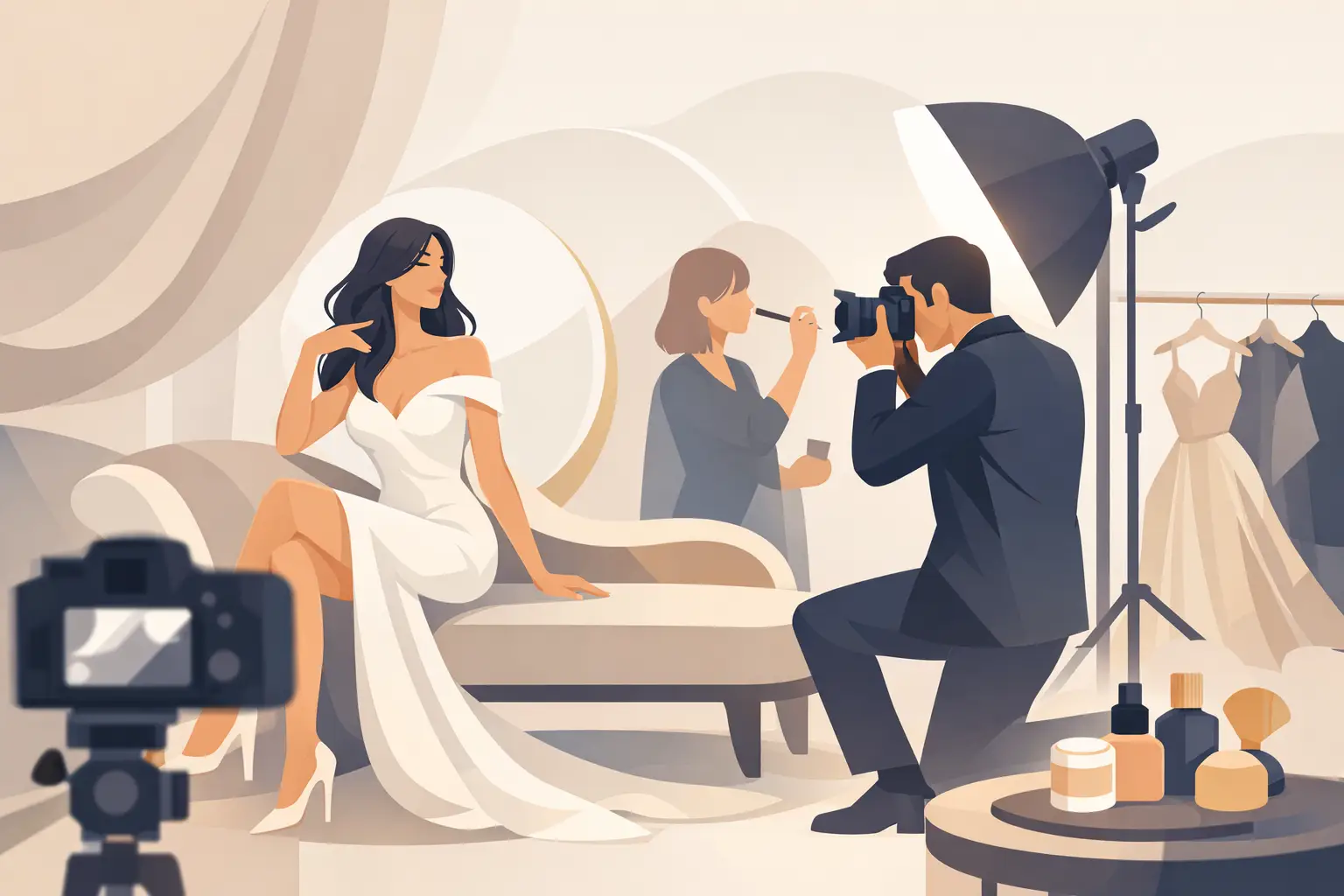
The difference between taking pictures and being truly portrayed is often felt before the first frame is made. A luxury photoshoot experience is not defined by a beautiful studio alone. It is the rare feeling of walking into a space where every detail has been considered, where you are guided with care, and where the final images reflect not only how you look, but the strength, warmth, and presence you carry.
For many women, stepping in front of a camera can feel vulnerable. You may be celebrating a milestone, preparing to elevate your professional visibility, honoring motherhood, or simply choosing to see yourself with fresh eyes. The right portrait experience replaces uncertainty with preparation and self-consciousness with confidence.
A Luxury Photoshoot Experience Begins Before the Camera
Exceptional portraiture is never rushed. Before a session, there should be a thoughtful conversation about what you want your images to say. Perhaps you need personal branding portraits that communicate authority without sacrificing approachability. Perhaps you want a maternity portrait that feels refined and intimate, or a timeless image with your daughter, mother, or beloved pet.
This consultation shapes the creative direction. It helps determine wardrobe, color palette, posing preferences, intended artwork, and the emotional quality of the finished portraits. A polished executive portrait and a softly lit boudoir session demand different choices, but both deserve the same intentional planning.
This is also the moment to voice any concerns. Many clients arrive saying they are not photogenic, do not know how to pose, or have not enjoyed being photographed in years. Those feelings are common. They are not a reason to settle for snapshots or hide from the experience. An expert photographer listens closely, then builds a session around what helps you feel prepared and at ease.
Styling Is Part of the Portrait, Not an Afterthought
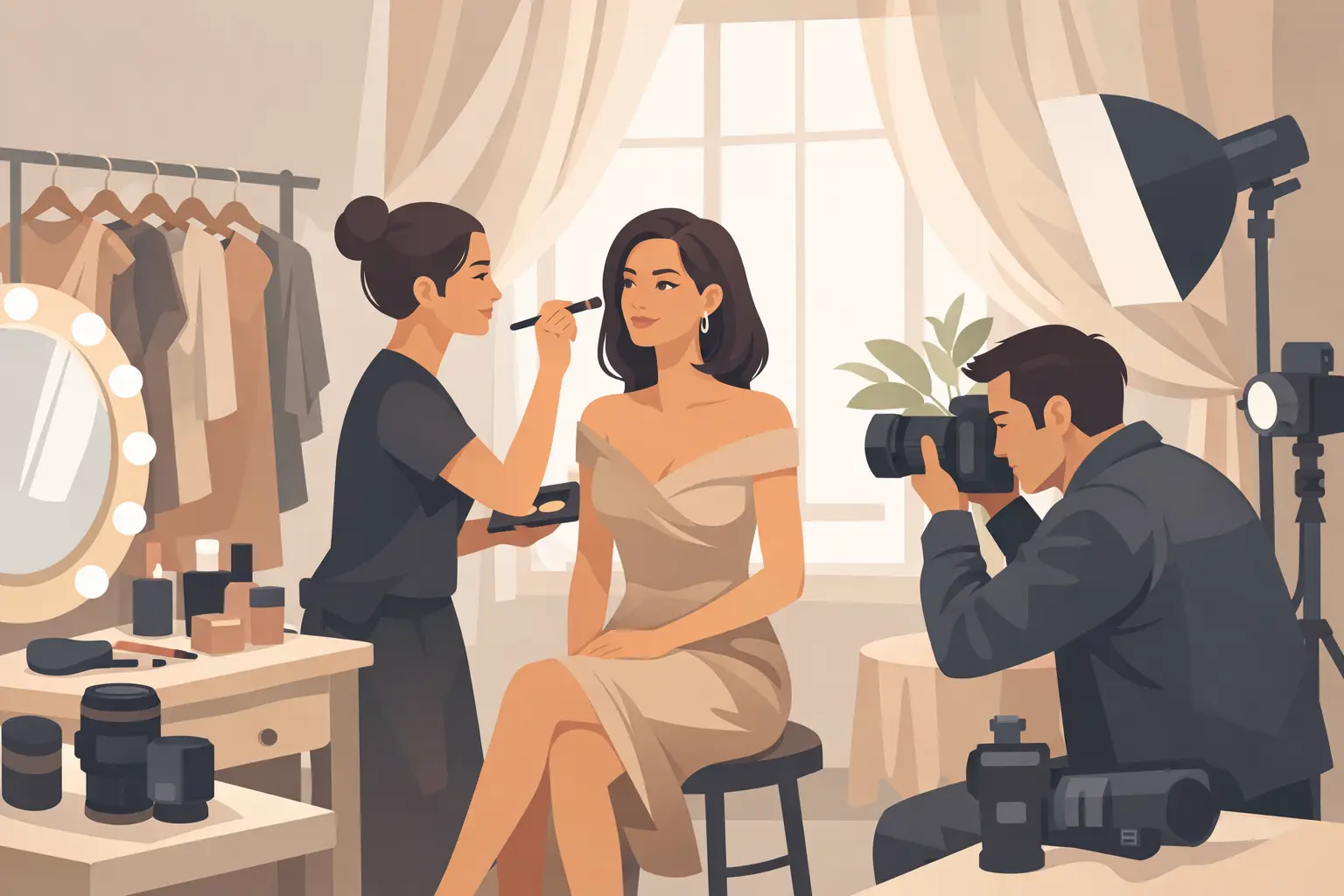
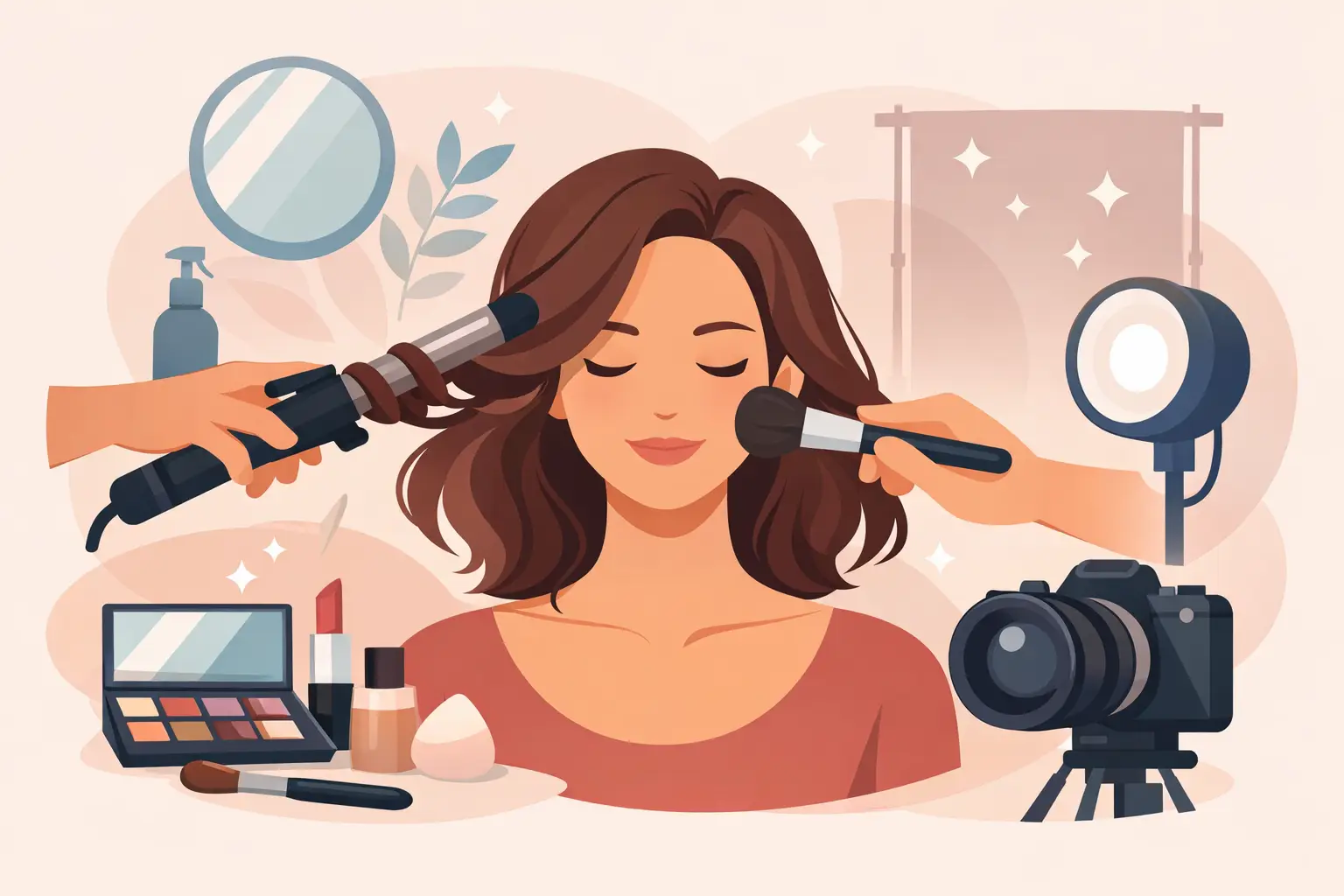
Professional hair and makeup are not about making you look like someone else. They are about refining what is already beautiful and preparing your features for professional lighting and the camera. A skilled artist considers skin tone, eye shape, hair texture, wardrobe, and the mood of the session to create a polished, camera-ready result.
Wardrobe guidance matters just as much. The most successful selections are not always the newest or most elaborate pieces in a closet. They are the garments that fit beautifully, photograph with elegance, and support the story you want to tell. A tailored blazer may give a business owner immediate presence. A fluid dress can create movement and softness in a maternity portrait. A simple, richly textured top may keep the focus exactly where it belongs – on your expression.
Luxury does not mean a rigid formula. It means receiving informed recommendations while retaining a clear sense of yourself. Your session should feel elevated, never costumed.
Why Professional Lighting Changes Everything
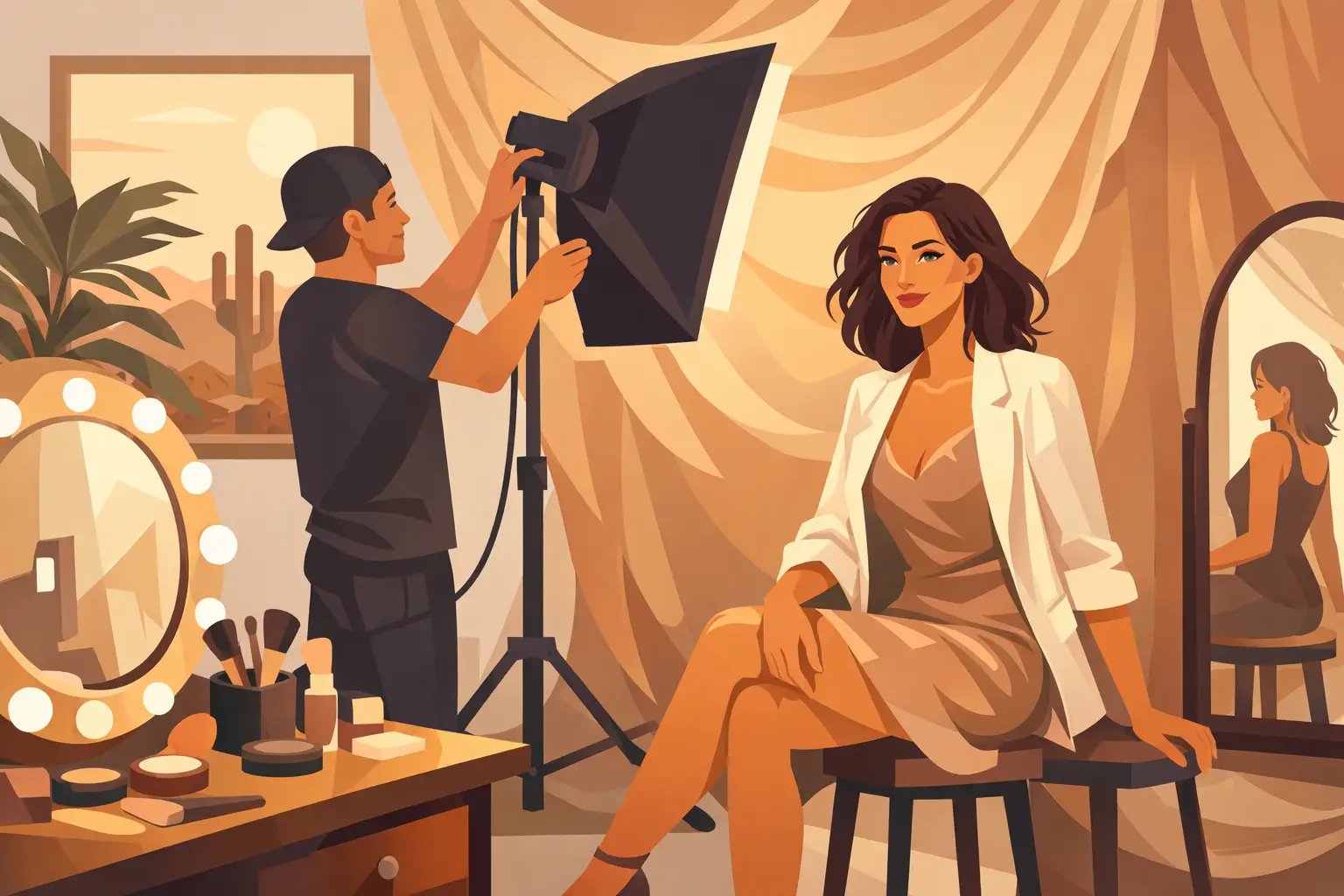
Flattering light is a craft. It can define a jawline, bring life to the eyes, soften the appearance of texture, and create dimension that ordinary overhead lighting cannot offer. It is one of the reasons professional portraits have a depth and finish that phone images rarely achieve.
But good lighting should not erase character. The goal is not perfection at the expense of recognition. It is to create portraits in which you look rested, radiant, and distinctly yourself. For women over 50 especially, thoughtful lighting and gentle posing can make all the difference between an image that feels overly processed and one that feels sophisticated, honest, and beautiful.
Direction Makes Confidence Visible
You do not need to know your angles before you arrive. In fact, one of the greatest benefits of a full-service portrait session is that you do not have to perform for the camera. You should be directed through each pose, expression, and adjustment with clear, encouraging instruction.
Small refinements create a remarkable difference: a shift of the shoulder, the placement of a hand, a change in posture, or a slight turn toward the light. These details may appear effortless in the final image, but they are the result of trained observation and experienced direction.
A confident portrait does not require a dramatic expression or a forced smile. Sometimes it is a direct gaze. Sometimes it is a quiet profile or a moment of genuine laughter between poses. The most resonant images make room for both polish and personality.
The Experience Should Be Personal, Not Generic
A luxury portrait session should have a point of view, but it should never feel interchangeable. Your life, style, relationships, and ambitions deserve more than a preset background and a handful of hurried poses.
For an entrepreneur, imagery may need to work across a website, speaking materials, social platforms, and press features. The session should account for those practical needs while creating a collection that feels cohesive and elevated. For a legacy portrait, the emphasis may be on connection: the gesture between a mother and daughter, the shared features across generations, or the joy a pet brings to the family.
There are trade-offs to consider. A highly stylized set can be memorable, but more classic imagery tends to remain relevant longer. A large wardrobe selection offers variety, while fewer carefully chosen looks can allow for more depth and calm within the session. The strongest approach depends on how you plan to use and treasure your portraits.
At Franklin Photography Studios, that balance is approached with artistry, technical mastery, and respect for the individual in front of the lens. The process is designed to make a client feel cared for from the first conversation through the final image selection.
The Reveal Is Where Images Become Meaningful
The portrait session is only one part of the experience. Seeing your finished images for the first time can be unexpectedly emotional. This is often when clients recognize a version of themselves they have been too busy, too critical, or too accustomed to overlook.
A guided image reveal allows you to slow down and choose intentionally. Rather than receiving a gallery and being left to decide alone, you can consider which images belong on your walls, in a keepsake album, or within the visual identity of your business. Heirloom-quality portraiture has a physical and emotional presence that deserves more than a forgotten folder on a device.
For some, the favorite image will be the polished headshot that finally feels worthy of their work. For others, it will be a portrait that marks a new chapter after 50, a pregnancy, a personal reinvention, or a meaningful relationship. These photographs become more valuable because they are connected to a moment when you chose to be seen.
What Makes the Investment Worth It
Luxury portraiture is an investment in expertise, time, and attention. It includes the less visible work that creates a remarkable result: the pre-session planning, professional styling, set design, lighting knowledge, posing direction, artistic retouching, and presentation of finished artwork.
It is not the right choice for someone who only needs a quick image for a temporary purpose. A simple headshot may be enough in that case. But when the goal is to celebrate who you are, create a lasting visual legacy, or present your business at the level it deserves, a guided professional experience offers something far more enduring.
The finest portraits do not ask you to become more glamorous, more outgoing, or more worthy than you are. They offer you the space, expertise, and attention to recognize what has been there all along. Choose an experience that leaves you with more than photographs – choose one that lets you carry your confidence forward.