Category: Photography Tips

  • Best Portrait Poses for Women That Feel Natural

    Best Portrait Poses for Women That Feel Natural

    A beautiful portrait rarely begins with knowing exactly what to do with your hands. The best portrait poses for women begin with expert direction that helps you feel comfortable, supported, and fully yourself in front of the camera. When a pose is thoughtfully shaped around your features, wardrobe, energy, and goals, it does more than photograph well. It captures your essence.

    For many women, especially those who have spent years putting everyone else first, being photographed can feel unexpectedly vulnerable. A luxury portrait experience should remove that pressure. You do not need to arrive camera-ready or study poses in advance. The photographer’s role is to guide every detail, from the angle of your chin to the placement of your hands, so your final images feel polished, confident, and unmistakably yours.

    What Makes a Portrait Pose Flattering?

    The most flattering pose is not a fixed formula. It is a collaboration between professional lighting, camera angle, expression, posture, and the way you naturally carry yourself. A pose that feels powerful for a personal branding portrait may be too formal for a relaxed mother-and-daughter image. A maternity portrait often calls for softness and shape, while a boudoir image may invite more intention, movement, and confidence.

    The goal is not to make you look like someone else. It is to reveal your strongest, most elegant presence. Small adjustments create a remarkable difference: turning the body slightly away from the camera, shifting weight into the back hip, bringing the face forward a fraction, or lowering one shoulder. These refinements create dimension, lengthen the silhouette, and prevent a portrait from feeling stiff.

    Professional lighting matters just as much as posing. Even the most graceful position can fall flat under unflattering light. Carefully placed light can define the eyes, shape the face, soften the skin, and bring a luminous finish to the portrait without making it look over-retouched.

    Best Portrait Poses for Women in a Studio Session

    The Angled Standing Pose

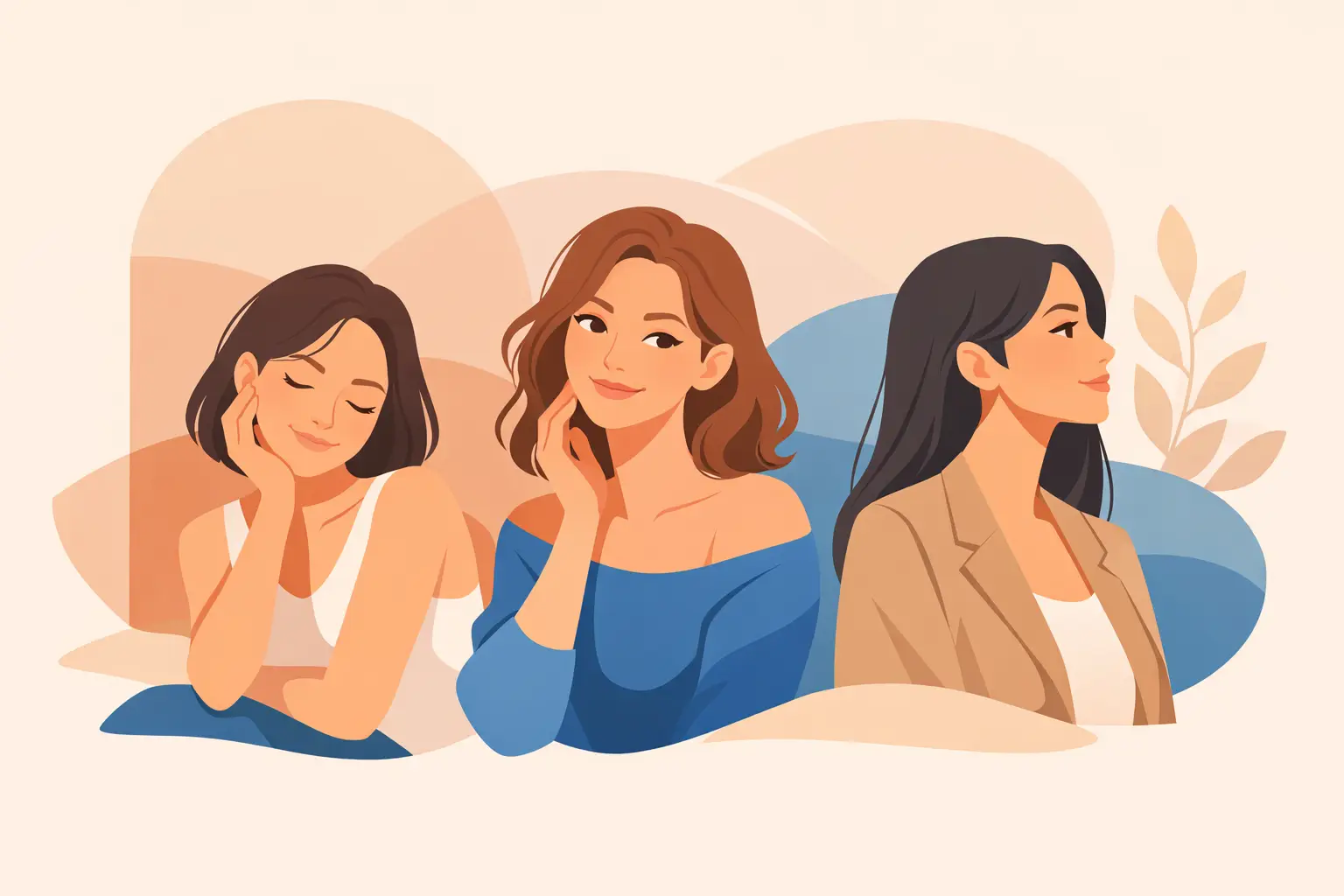
    A three-quarter stance is one of the most versatile options in portrait photography. Rather than facing the camera squarely, you turn your body slightly to one side while keeping your face connected to the lens. This creates a natural curve through the body and adds flattering dimension.

    One knee can soften, the front toe can point gently toward the camera, and the shoulders can remain relaxed. Your hands may rest lightly at the waist, brush the side of a jacket, or fall naturally alongside the body. This pose works beautifully for women’s portraits, branding photography, and elegant editorial-style images because it feels poised without appearing overly posed.

    The Seated Lean-In

    Seated portraits can feel intimate, approachable, and sophisticated. The key is to sit toward the front edge of the chair or stool rather than sinking back into it. A slight lean toward the camera creates engagement and keeps the posture energized.

    Your elbows may rest softly on a knee, or one arm may drape across the chair’s back. The hands should have a purpose, but they should never be tense. A relaxed hand with softly separated fingers photographs far more beautifully than a clenched grip or perfectly flat palm. This is an especially strong choice for professionals who want headshots or branding images that feel warm, credible, and connected.

    The Over-the-Shoulder Look

    For a portrait with quiet confidence, turn the body away from the camera and look back over one shoulder. This pose emphasizes the eyes and creates a graceful line from shoulder to jaw. It can be refined and dramatic in a formal gown, playful in a casual outfit, or striking in a tailored blazer.

    The difference lies in the expression. A direct gaze gives the image authority. A softened gaze just past the camera feels more reflective. A subtle smile can bring in warmth without forcing a cheerful expression that does not feel authentic to you.

    The Walking Pose

    Movement is one of the best ways to replace self-consciousness with ease. A slow walk toward or across the camera gives the photographer natural options for fabric movement, changing expressions, and relaxed body language. It is particularly effective with flowing dresses, wide-leg trousers, long coats, and any wardrobe piece that has beautiful texture or motion.

    The movement does not need to be dramatic. A few intentional steps, a turn of the head, or a gentle adjustment of the jacket can create a portrait that feels alive. For women who worry they are not naturally photogenic, movement often makes the session feel more intuitive and less like holding a position.

    The Hand-to-Face Detail

    Hands near the face can create an elegant, editorial look when they are positioned with care. The side of the fingers may graze the jawline, touch the temple, or rest lightly beneath the chin. This pose brings attention toward the face and eyes while adding softness to the frame.

    It is not right for every image. In a corporate headshot, it may feel too stylized. In a beauty portrait, boudoir session, or milestone portrait, however, it can feel beautifully expressive. The photographer should direct the hand placement precisely, because even a small change in wrist angle can shift the image from graceful to awkward.

    Posing for Different Portrait Goals

    A portrait should reflect why you chose to be photographed. The best pose for a woman launching a business is not necessarily the best pose for a woman celebrating her 60th birthday, welcoming a new baby, or creating an heirloom image with her daughter.

    For personal branding, confident posture and open body language are essential. Standing tall, keeping the shoulders relaxed, and offering a direct, engaged expression can communicate leadership before a client reads a single word about your work. A seated pose with a subtle lean can add approachability when your brand is built on personal connection.

    For women over 50, the most successful portraits honor presence rather than chasing a younger version of yourself. Beautiful styling, luminous makeup, elegant wardrobe choices, and flattering angles work together to celebrate the woman you are now. There is strength in a direct gaze, sophistication in stillness, and beauty in allowing your face to be seen.

    For maternity portraits, poses often emphasize the relationship between mother and baby. A hand above and below the belly creates a natural frame. A profile angle reveals the curve of pregnancy, while a quiet downward gaze can create a tender, contemplative image. Comfort is always the priority, so poses should be adapted for energy level, mobility, and stage of pregnancy.

    For mother-and-daughter or generational portraits, connection matters more than perfection. Sitting close together, sharing a glance, or simply allowing hands to meet can convey the relationship with far more depth than a row of formal smiles. The strongest family portraits often happen in the small moments between directions.

    Why You Should Not Copy Poses Exactly

    Inspiration can be useful, but copying a pose from social media rarely accounts for the factors that make a portrait personal. Your height, proportions, hairstyle, outfit, comfort level, and the intended final artwork all influence what will look and feel best. A pose that flatters someone in a casual outdoor snapshot may not translate to a polished studio portrait.

    The same is true of expressions. You do not need to smile in every image, and you do not need to create a serious expression if it feels disconnected from your personality. A skilled photographer will coach you through subtle shifts: a breath out, a softened mouth, a thought that brings warmth into your eyes. These are the details that make a portrait feel believable.

    At Franklin Photography Studios, the experience is designed so that women are guided throughout the session, from professional hair and makeup through every final pose. You are never expected to perform for the camera. You are invited to step into a space where your confidence can be seen.

    The Details That Change a Pose

    The camera notices tension quickly, but it also notices ease. Before each image, take a full breath and let your shoulders drop. Keep the chin slightly forward rather than pulling it back, which creates a more defined jawline. Shift your weight rather than locking both knees. Leave a little space between your arms and torso to create shape and avoid a compressed appearance.

    Most importantly, allow time. A premium portrait session is not about rushing through a checklist of poses. It is about refining the angle, light, wardrobe, and expression until the image feels worthy of the moment you are celebrating.

    Your most memorable portrait may not come from the pose you planned. It may arrive just after you relax your hands, laugh at a quiet prompt, or look into the lens and recognize the woman who has been there all along. That is the image to treasure for a lifetime.
  • How to Prepare for Headshots With Real Confidence

    How to Prepare for Headshots With Real Confidence

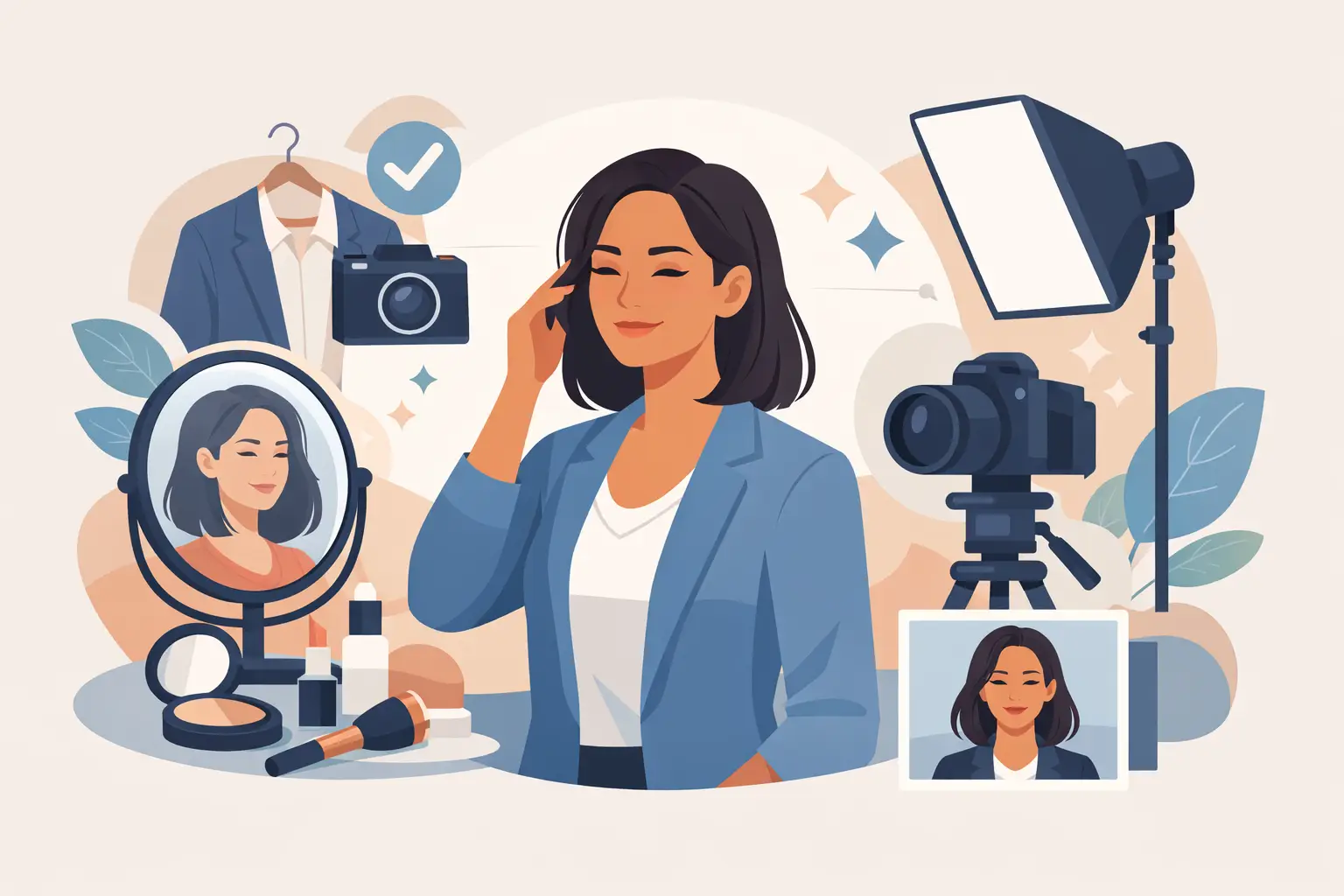
    A headshot has a job to do before you ever say a word. It should signal confidence, credibility, warmth, and the level at which you operate. Knowing how to prepare for headshots means giving yourself more than a clean blouse and a good night’s sleep. It means arriving ready to be seen with intention.

    The most compelling professional portraits do not make you look like someone else. They refine what is already distinctive about you: your presence, your expertise, and the energy people feel when they meet you. A little preparation lets the camera capture that with ease.

    Start With the Message You Want Your Headshot to Send

    Before choosing an outfit or scheduling a haircut, consider where your images will appear. A corporate leadership portrait, real estate headshot, attorney profile, speaker bio, and entrepreneurial brand image can all be polished, but they should not all feel identical.

    Ask yourself what you want a prospective client, employer, or collaborator to understand in the first few seconds. Perhaps you want to appear approachable and established. Maybe your work is creative, elevated, strategic, or deeply personal. Your answer informs everything from wardrobe color to expression and background.

    For entrepreneurs, a traditional headshot may be only one part of the story. You may benefit from personal branding images that include a few carefully chosen settings, gestures, and details connected to your work. For a LinkedIn profile or company directory, a focused, timeless portrait is often the wiser choice. The goal is not to follow a trend. It is to create imagery that still represents you beautifully when that trend has passed.

    Choose Wardrobe That Supports Your Presence

    The right clothing is the clothing that makes you stand taller, breathe normally, and feel entirely like yourself. For most headshots, clean lines, tailored silhouettes, and solid or subtly textured fabrics photograph beautifully. Bring options if your session allows it. Seeing two or three strong choices under professional lighting is far more reliable than trying to decide from a bedroom mirror.

    Consider the neckline first. A structured collar, soft V-neck, elegant scoop neck, or refined crew neck can frame the face beautifully, depending on your proportions and personal style. Avoid anything you find yourself tugging, smoothing, or adjusting. Discomfort has a way of appearing in posture and expression.

    Color deserves thoughtful attention. Rich neutrals such as ivory, navy, charcoal, camel, chocolate, and black are sophisticated choices. Jewel tones can add vitality, while softer colors can feel welcoming and fresh. The most flattering shade depends on your skin tone, hair color, intended backdrop, and the feeling you want to convey. A professional studio can help you make that decision with confidence.

    Very busy prints, tiny stripes, large logos, and highly reflective fabrics can distract from your face. That does not mean your clothing must be plain or personality-free. Texture, an interesting jacket, a beautiful blouse, or a signature color can create dimension without competing for attention.

    Jewelry should complement rather than dominate. Small to medium earrings and a meaningful, restrained accessory often add polish. If statement jewelry is part of your established look, bring it as an option. The best choice depends on whether it enhances your face or becomes the first thing viewers notice.

    Prepare Your Clothing With Care

    Try on every option several days before your session. Sit down, move your arms, and look at the garments from several angles. Check for gaping, pulling, wrinkles, pet hair, loose threads, and visible undergarment lines. Have items steamed, lint-rolled, and ready on a hanger the night before.

    A clothing change can offer a valuable range of images, especially for personal branding. One look may feel authoritative and structured, while another is softer and more conversational. Quality matters more than quantity. Two excellent looks will serve you better than five rushed choices.

    Plan Hair, Makeup, and Grooming Without Reinventing Yourself

    A headshot session is not the ideal time for an unfamiliar haircut, drastic color change, new skincare treatment, or makeup style you have never worn. Aim for a refined version of your usual self. You should recognize the woman in the photograph, only more rested, luminous, and camera-ready.

    If professional hair and makeup are part of your portrait experience, arrive with clean, dry hair unless your stylist advises otherwise. Bring reference photos that reflect the level of polish you prefer, but remain open to expert direction. Camera-ready makeup is often slightly more defined than everyday makeup because studio lighting softens contrast. The result should look natural in the finished image, not overly made up.

    If you are doing your own makeup, use products you know work well for you. A polished complexion, groomed brows, subtle definition around the eyes, and a lip color close to your natural coloring are usually flattering. Avoid experimenting with very shimmery products or sunscreen formulas that can create unwanted shine under lights.

    For men and anyone with facial hair, grooming should be intentional. A fresh trim a day or two before the session often photographs better than a rushed same-day change, particularly if your skin is prone to redness. Check nails, moisturize dry hands if they may appear in branding images, and bring lip balm for a natural finish.

    Give Yourself Time to Look Rested

    You do not need a flawless week to photograph beautifully. Still, a few simple choices can make session day more comfortable. In the days leading up to it, prioritize sleep, regular meals, water, and the routines that help you feel centered. Do not arrive hungry, dehydrated, or after an exhausting morning if you can help it.

    Avoid trying a new facial treatment, aggressive exfoliation, or spray tan immediately before your session. Skin responds differently for everyone, and the trade-off is rarely worth the risk. If you have a blemish or temporary irritation, do not panic. Professional retouching can address small distractions while preserving the texture and character that make your portrait feel real.

    On session day, wear loose clothing if you will be changing into a fitted top or dress. Tight waistbands, bra straps, and collars can leave marks on the skin. Bring water, a small snack if needed, and anything that helps you feel at ease.

    How to Prepare for Headshots Mentally

    Many accomplished women feel perfectly comfortable leading a meeting, presenting an idea, or caring for everyone else in the room, yet feel unexpectedly vulnerable in front of a camera. That is normal. Being photographed asks you to receive attention, and that can feel unfamiliar.

    You do not need to know how to pose. A guided portrait session is designed to take that pressure away. Your photographer will direct your hands, shoulders, chin, and expression in small, natural adjustments that create a confident result. Your only responsibility is to stay present, communicate what feels authentic, and allow yourself a little time to settle in.

    Rather than worrying about a single feature you wish were different, focus on the people who will see the image. Think about the client you want to reassure, the opportunity you want to welcome, or the chapter of your life you want to claim. That shift changes your expression from posed to purposeful.

    It can also help to practice a relaxed expression in the mirror, not a fixed smile. Notice how your face looks when you think of someone you genuinely enjoy. A slight lift through the eyes and a soft, natural smile often create more connection than a wide grin held too long.

    Arrive Ready to Collaborate

    Arrive a few minutes early so you can transition out of the rush of the day. Silence notifications, take a breath, and trust the process. If there is something you are self-conscious about, share it with your photographer. Professional direction is most effective when it is informed by what matters to you.

    Bring your wardrobe choices, accessories, and any brand considerations that may shape the images. If your headshot needs to coordinate with a company team page, bring the specifications if you have them. If it will be used across your website, social profiles, press features, and speaking materials, mention that as well. A thoughtfully planned session can create imagery with the versatility your visibility deserves.

    At Franklin Photography Studios, the portrait experience is built around expert guidance, flattering light, and the belief that confidence is not something you must perform. It is something that can be thoughtfully revealed.

    Your headshot is often a first introduction, but it can be more than a formal requirement. Give yourself permission to make it a portrait that reflects the caliber of your work, the warmth of your character, and the woman you have become.

  • Studio Portraits vs Outdoor Portraits: Which Is Right?

    Studio Portraits vs Outdoor Portraits: Which Is Right?

    A portrait session should feel like an occasion, not an errand. When considering studio portraits vs outdoor portraits, the right choice is less about following a trend and more about deciding how you want to be seen. Do you envision a refined image with every detail directed around you, or a portrait that lets the landscape, movement, and natural light become part of the story?

    Both settings can create striking, emotionally resonant photographs. The distinction lies in the experience, the level of control, and the visual language of the final images. For women celebrating a milestone, building a visible personal brand, honoring motherhood, or simply choosing to be photographed beautifully, those details matter.

    Studio Portraits vs Outdoor Portraits: The Essential Difference

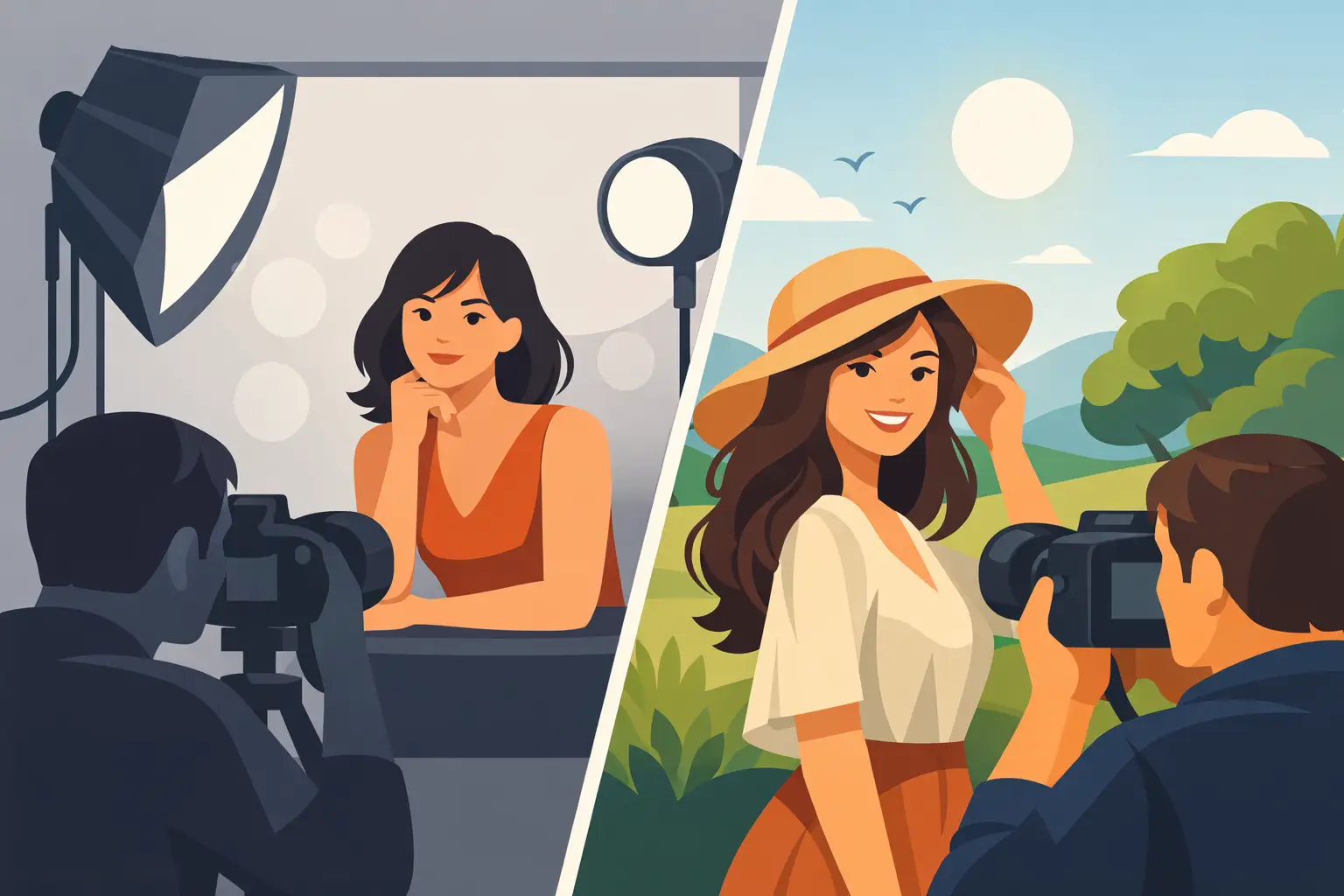
    A studio portrait is intentionally constructed. Lighting, wardrobe, backdrop, posing, and finishing are shaped around your features and the feeling you want the image to carry. The result can be classic, editorial, dramatic, soft, modern, or timeless – but it is never left to chance.

    An outdoor portrait is collaborative in a different way. The environment contributes color, texture, weather, and a sense of place. Desert light at sunset, lush garden shade, architectural lines, or an open field can bring movement and atmosphere that cannot be replicated exactly indoors.

    Neither choice is inherently better. A polished executive headshot may benefit from the precision of a studio. A maternity session may feel especially meaningful against an Arizona sunset. The strongest decision comes from matching the setting to your purpose, personality, and comfort level.

    Why Choose a Studio Portrait Session?

    The defining advantage of a studio is control. Rather than adjusting to changing clouds, harsh sun, wind, or a busy public location, your photographer shapes the scene to flatter you. Professional lighting can sculpt the face, soften shadows, define the eyes, and create dimensionality that feels elevated without looking overdone.

    That control is particularly valuable for women over 50, boudoir clients, personal branding professionals, and anyone who has felt uncertain about being photographed. A carefully directed studio session allows time for thoughtful posing and small adjustments that make a meaningful difference. You are not expected to know your angles or perform for the camera. You are guided through each expression, hand placement, and shift in posture.

    A private, confidence-building experience

    Privacy changes how many clients feel in front of the camera. In a studio, there are no passersby, curious onlookers, or distractions competing for your attention. This can be especially reassuring for boudoir portraits, milestone sessions, and images that ask you to be present rather than self-conscious.

    A full-service studio experience also allows the day to unfold at a more gracious pace. Professional hair and makeup, curated wardrobe guidance, and thoughtfully designed sets create a transition from everyday life into a space centered on you. For many clients, the transformation begins before the first frame is taken.

    Consistency for professional imagery

    For entrepreneurs and professionals, studio portraits provide a highly consistent visual foundation. If you need a polished headshot for media features, a website, speaking engagements, or a growing team, controlled lighting helps ensure your images look cohesive across platforms.

    Studio branding sessions can still have range. A clean backdrop can communicate authority, while a styled set may feel warm, creative, or approachable. The difference is that each option is selected with intention, rather than determined by what happens to be available at a location that day.

    The trade-off: less environmental storytelling

    A studio does not provide the spontaneous texture of wind in your hair, city architecture, or a dramatic horizon. If your vision depends on a location that is personally meaningful, or if you want your portraits to feel candid and expansive, an outdoor setting may offer something a studio cannot.

    Still, a studio is far from sterile. With expert lighting and art direction, a portrait can feel richly dimensional, intimate, and alive. The focus simply remains where it belongs: on your expression, strength, and individuality.

    When Outdoor Portraits Make the Strongest Statement

    Outdoor portraits work beautifully when the setting supports the story. A desert landscape can feel powerful and sculptural. A garden can bring softness to a mother-and-daughter session. A meaningful neighborhood, resort, or architectural setting may reinforce the personality of a personal brand.

    Natural light also brings a distinctive quality to skin, fabric, and movement. In the right conditions, it can feel luminous and effortless. Outdoor sessions often invite walking, laughing, and more relaxed transitions between poses, which can be ideal for family portraits, maternity photography, pet portraits, and brand imagery with a lifestyle focus.

    A sense of place and freedom

    For some clients, an outdoor session feels less formal than a studio portrait. There is room to move, breathe, and interact with loved ones or a pet. This is useful when connection is the heart of the image. A child holding a grandmother’s hand, a dog leaning into its owner’s side, or a mother pausing with her daughter can feel naturally expressive in an open setting.

    In Scottsdale and the greater Phoenix area, the landscape offers remarkable visual possibilities, from warm desert tones to elegant resort grounds. When planned around the right time of day, those elements can create portraits with a distinctly regional sense of beauty without overpowering the subject.

    The trade-off: nature sets the terms

    Outdoor photography requires flexibility. Light changes quickly. Wind can affect hair and wardrobe. High temperatures, seasonal conditions, and public activity can influence both comfort and timing. Even the most beautiful location may have restrictions, uneven terrain, or limited privacy.

    A skilled photographer anticipates these variables, but they are still part of the experience. Outdoor sessions are often best scheduled around early morning or late afternoon light, which may not suit every family schedule or energy level. If predictability is your priority, the studio has a clear advantage.

    How to Choose the Setting That Reflects You

    Start with the purpose of your portraits. If you want refined, heirloom-quality images that place your face and presence at the center, a studio session is likely the natural fit. This is especially true if you value privacy, editorial polish, professional styling, or a fully guided experience.

    If your images need to communicate movement, connection, or a meaningful sense of place, consider an outdoor session. It may be the right choice for a growing family, a maternity milestone, a pet portrait, or a brand built around lifestyle and local connection.

    Then consider how you want to feel on the day. Clients who prefer a serene, composed setting often appreciate the calm rhythm of a studio. Those who feel most like themselves while walking, talking, and being in the open air may find that an outdoor environment brings out a more relaxed expression.

    Your wardrobe can also help decide. Structured suits, sophisticated dresses, and bold beauty looks photograph exceptionally well in a studio, where background and lighting can be designed to support them. Flowing fabrics, casual luxury looks, and outfits with movement often shine outdoors. This is a guideline, not a rule. The most memorable portraits are created when styling serves your personality rather than a formula.

    Consider a Session With Both Experiences

    For certain portrait goals, choosing between studio and outdoors is unnecessary. A personal branding collection, for example, can benefit from studio headshots that establish credibility alongside outdoor lifestyle images that show warmth and approachability. A maternity or milestone session can begin with polished studio portraits, then move outside for a softer, more expansive feeling.

    This approach requires thoughtful planning so that the final collection feels cohesive rather than divided. Color palette, wardrobe, hair, makeup, and intended use should be considered from the beginning. At Franklin Photography Studios, the artistic direction is designed to make those choices feel clear and personal, not overwhelming.

    The best portrait setting is the one that gives you permission to show up fully. Choose the controlled elegance of the studio when you want every detail to honor your presence. Choose the outdoors when the setting adds meaning to your story. Either way, allow yourself to be photographed not as an afterthought, but as someone worth celebrating and treasuring for a lifetime.

  • How to Choose a Portrait Wardrobe That Flatters

    How to Choose a Portrait Wardrobe That Flatters

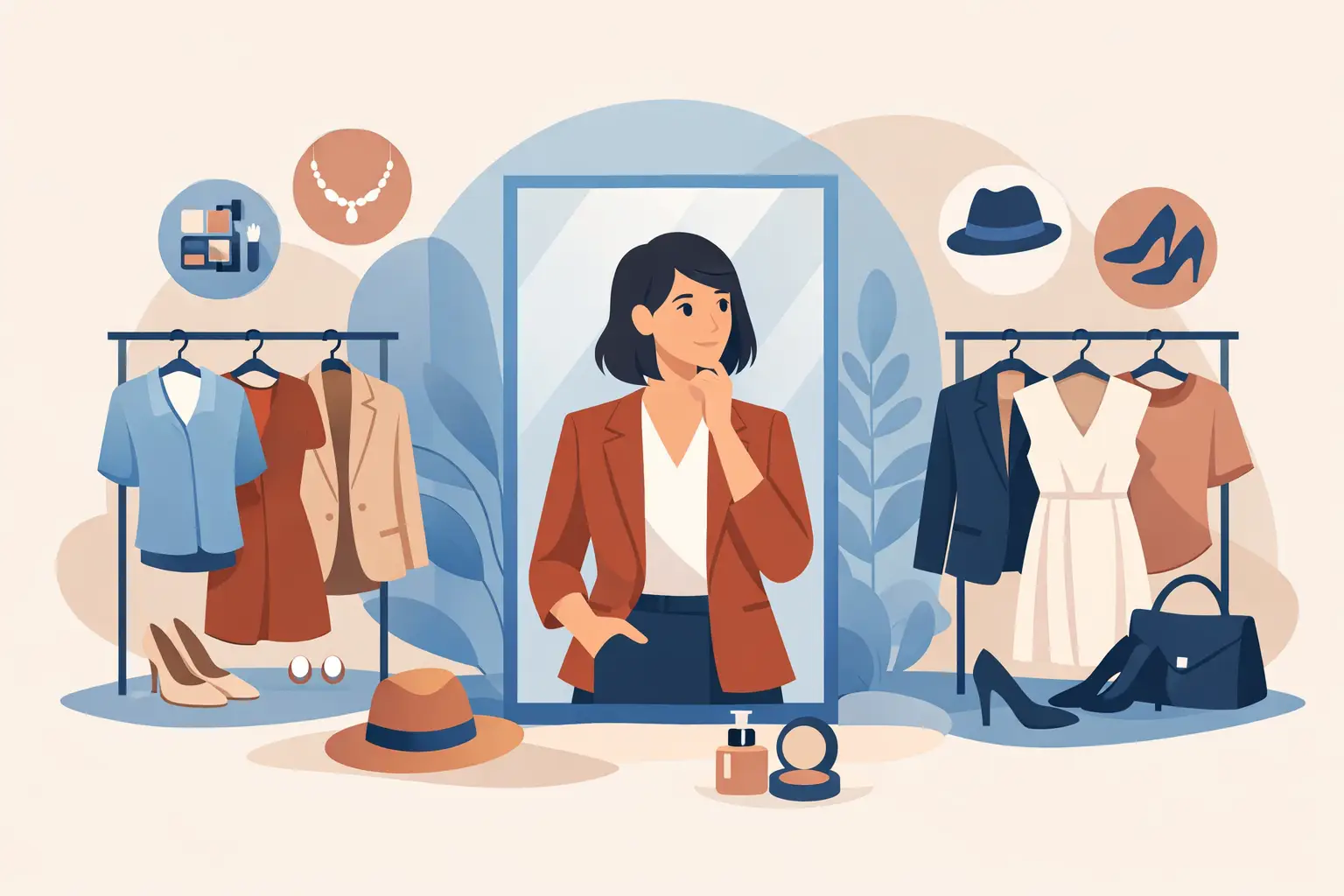
    The dress that looks beautiful on a hanger is not always the dress that tells your story in a portrait. The most successful images begin with clothing that feels like an elevated version of you: considered, comfortable, and aligned with the way you want to be seen. Knowing how to choose a portrait wardrobe is less about following a rigid list of rules and more about selecting pieces that support your confidence before you ever step in front of the camera.

    A thoughtful wardrobe helps the eye stay where it belongs – on your expression, your presence, and the details that make the portrait distinctly yours. Whether you are preparing for a milestone portrait, personal branding session, maternity session, or an heirloom family image, the goal is the same: choose clothing that allows your essence to come forward.

    Start With the Feeling You Want Your Portraits to Hold

    Before considering color or silhouette, consider the purpose of the photographs. A portrait can celebrate reinvention, mark a season of motherhood, establish professional authority, or preserve a connection across generations. Your wardrobe should echo that intention.

    For a personal portrait, you may want softness, strength, elegance, or a sense of creative freedom. For branding imagery, the feeling may be polished, approachable, decisive, or visionary. Boudoir wardrobe calls for a different conversation entirely, often centering on sensuality, texture, and the parts of yourself you are ready to celebrate. When you identify the emotional direction first, choices become far more focused.

    This does not mean your clothing must be overly formal. A beautifully tailored black blouse, refined trousers, and meaningful jewelry can feel every bit as powerful as a gown. Conversely, a flowing dress can create movement and romance that a structured suit cannot. The right choice depends on the story you want to treasure for a lifetime.

    How to Choose a Portrait Wardrobe by Focusing on Fit

    Fit is often more influential than size. A garment that skims the body well and lets you move comfortably will photograph with greater ease than something that is technically your size but pulls, gaps, rides up, or requires constant adjustment.

    Choose pieces that define your shape without restricting it. A waistline, a tailored shoulder, a softly draped neckline, or a well-cut jacket can create structure and polish. If you prefer more coverage, look for intentional design rather than simply adding volume. A long sleeve with a graceful cuff, a high neckline with an open back, or a flowing skirt paired with a fitted top can feel sophisticated while still revealing your silhouette.

    Pay close attention to the fit while sitting, standing, and turning. Portrait sessions involve subtle shifts in posture, and you should never be distracted by a strap that slips or a waistband that pinches. If you need to tug, smooth, or conceal the garment every few minutes in a fitting room, it will likely ask for the same attention during your session.

    For women over 50 especially, the most flattering clothing is rarely about hiding. It is about choosing shape, fabric, and proportion with intention. Clothing that honors your body as it is now creates a more authentic, commanding portrait than a trend that does not feel like you.

    Consider Necklines and Sleeves in the Frame

    The portrait frame gives particular attention to the face, shoulders, and upper body. Necklines matter because they guide the viewer’s eye. V-necks and open necklines can create length and softness, while bateau, square, and higher necklines can feel architectural and refined. The best option is one that suits both your comfort level and your features.

    Sleeves can also be beautifully expressive. Three-quarter sleeves often photograph elegantly and offer a clean visual line. Off-the-shoulder styles may bring a romantic, feminine quality, while a structured blazer can convey confidence for executive headshots and branding portraits. There is no single universally flattering neckline or sleeve. The strongest choice is one you can wear without self-consciousness.

    Choose Colors That Support Your Skin Tone and Your Story

    Color should complement your complexion rather than compete with it. Rich jewel tones, warm neutrals, softened pastels, deep navy, cream, emerald, burgundy, and charcoal often photograph beautifully because they have depth. The best shade is not necessarily your favorite color in theory. It is the one that makes your skin look luminous and your eyes appear present.

    When in doubt, hold the garment near your face in natural light. Does your complexion look clear and rested, or does the color cast shadows and draw attention to redness or under-eye circles? This simple comparison often gives a more useful answer than a color trend ever could.

    Very bright white can sometimes reflect strongly into the face, particularly in studio lighting, while stark black can feel dramatic and sophisticated but may lose detail if every element of the outfit is dark. Neither is off-limits. The distinction lies in styling. A black dress with textured fabric, a defined neckline, or a luminous earring can feel dimensional. A cream blouse can be softened with warm layers, tonal accessories, or a contrasting bottom.

    For personal branding portraits, consider your brand palette without feeling obligated to dress head to toe in a logo color. A founder whose visual identity includes terracotta might choose a warm rust blouse, a neutral jacket, or accessories that quietly reference that color. The portrait should feel cohesive with your business, but it should still look like a person, not a marketing template.

    Let Fabric Add Dimension

    Cameras notice texture. Silk, satin, cashmere, linen blends, velvet, lace, fine knits, and matte crepe can add depth that makes an image feel more luxurious. Texture is especially useful when you are choosing a neutral palette. Cream trousers paired with a smooth silk blouse and a textured jacket, for example, can look far more intentional than a single flat color from head to toe.

    At the same time, avoid fabrics that wrinkle immediately, cling in places that make you uncomfortable, or reflect light unpredictably. Extremely shiny materials can be striking in the right setting, but they are less forgiving than matte or softly luminous fabrics. If you love a statement piece, balance it with simpler elements so the portrait remains centered on you.

    Plan More Than One Look When the Session Allows

    One outfit can create a beautiful portrait. Two or three thoughtfully distinct looks can create a fuller visual story. This is especially valuable for branding sessions, where you may need imagery that feels polished and executive alongside images that are more warm, creative, or conversational.

    Think in contrasts rather than random options. You might pair a tailored dress with a relaxed blouse and trousers, or a formal gown with a simple black top and jeans. For maternity portraits, one flowing, expressive look may be balanced by a more intimate and minimal option. Each look should reveal a different facet of you while remaining connected to the overall feeling of the session.

    Bring garments on hangers, along with the right shoes, undergarments, and accessories. Nude, well-fitting undergarments are often essential, particularly beneath lighter fabrics or fitted clothing. The right foundation changes how a garment falls, and it can make the difference between an outfit that feels merely acceptable and one that feels exceptional.

    Keep Accessories Intentional

    Accessories should complete the portrait, not overwhelm it. Statement earrings, a sculptural ring, a delicate necklace, a meaningful watch, or a beautiful hat can add personality and visual interest. Choose pieces that fit the scale of your clothing and do not distract from your face.

    For family or generational portraits, coordination is more elegant than matching. Select a shared palette with a few complementary tones, then allow each person to wear a silhouette that suits them. Avoid placing everyone in identical shirts or overly busy patterns. The result should feel like a family with a point of view, not a uniform.

    Pet portraits benefit from the same principle. If your pet has a vibrant coat or a distinctive collar, build your outfit around colors that complement rather than compete with them. The emotional connection will remain the focus, and the styling will feel harmonious.

    Trust Professional Guidance, Then Make It Your Own

    The finest wardrobe choices are collaborative. Professional styling guidance can help you identify colors, silhouettes, and combinations you may not have considered, while hair and makeup complete the portrait with a camera-ready polish that still feels like you. At Franklin Photography Studios, wardrobe planning is part of a carefully guided experience designed to help every client arrive feeling prepared and beautifully seen.

    Still, the final decision should feel personal. Wear the dress that makes you stand taller. Bring the blazer that reminds you of the career you built. Include the jewelry passed down by someone you love. These details carry meaning beyond style, and that meaning is visible in a portrait.

    Choose clothing that gives you room to breathe, move, and recognize yourself with pride. When you feel at home in what you are wearing, the camera has something far more valuable to capture: your confidence, fully present.

  • Portrait Session Planning Guide That Works

    Portrait Session Planning Guide That Works

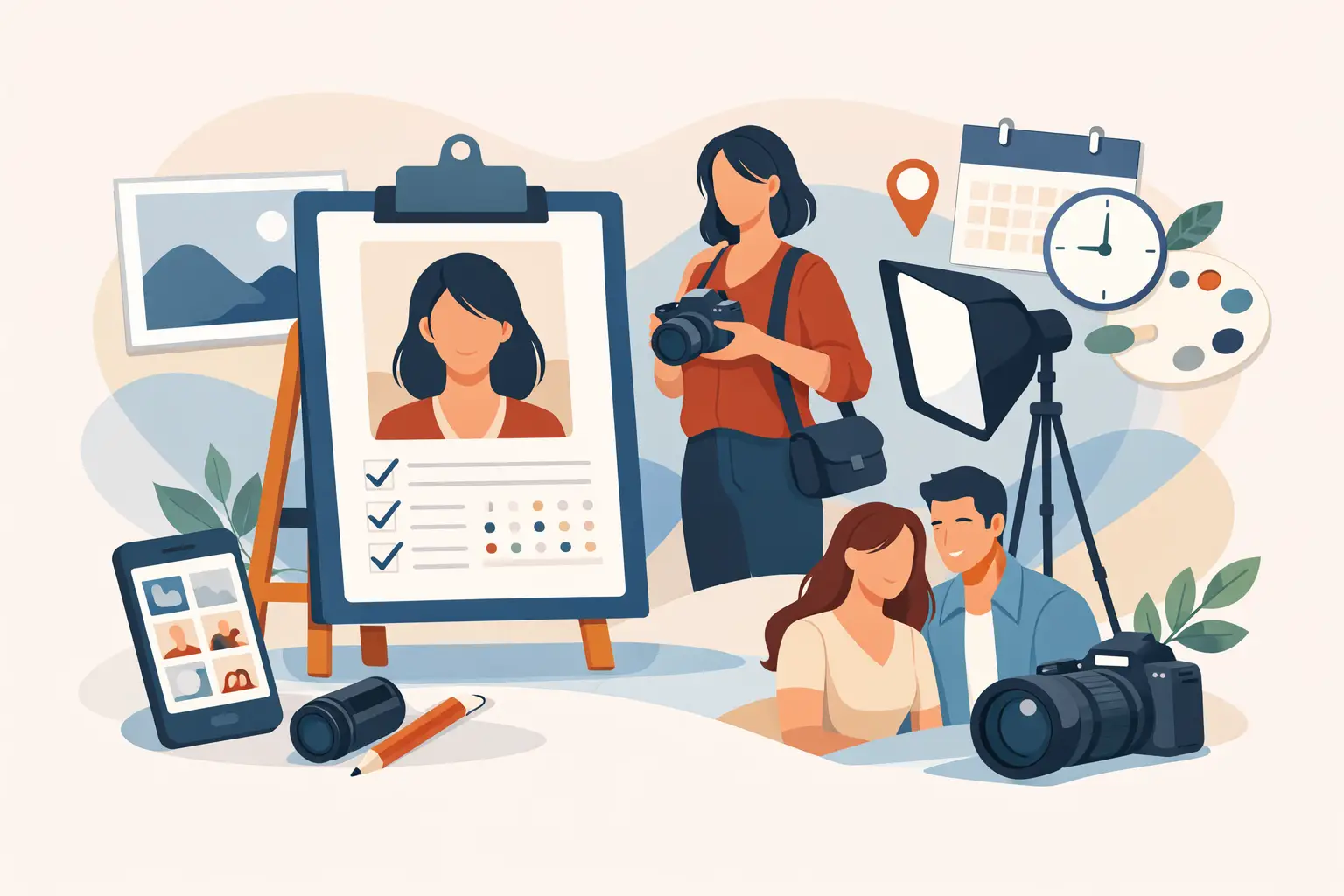
    The difference between a portrait you simply like and one you treasure for years usually comes down to what happens before the camera ever comes out. A thoughtful portrait session planning guide helps you walk into your session feeling clear, confident, and beautifully prepared, which shows in every expression, pose, and detail.

    Luxury portraiture should never feel rushed or uncertain. The experience is meant to support you from the first conversation through the final image selection, so you are not left guessing what to wear, how to pose, or whether you will feel comfortable in front of the lens. The best portraits are not accidental. They are crafted with intention.

    Why a portrait session planning guide matters

    Planning shapes far more than logistics. It influences how relaxed you feel, how cohesive your images look, and whether the final portraits truly reflect your personality, style, and purpose.

    If your session is for personal branding, preparation affects credibility as much as beauty. Your wardrobe, backdrop choices, and expression all communicate something about your business and presence. If your portraits are for a milestone such as maternity, a women-over-50 session, or a mother-and-daughter experience, planning helps the images feel timeless rather than trendy.

    This is also where many people shift from nervous to excited. When each element has been considered in advance, there is room to enjoy being photographed instead of managing uncertainty in the moment.

    Start with the purpose of the portraits

    Before choosing clothing or inspiration images, define what these portraits need to do for you. That answer guides every creative decision that follows.

    A branding session often calls for variety. You may need polished headshots, editorial-style portraits, and more approachable images that show personality and warmth. A boudoir session usually leans more into mood, confidence, and styling that feels personal and flattering. A family or generational portrait session benefits from a refined visual thread so the images feel connected without looking overly matched.

    Purpose also affects how formal the session should feel. Some clients want elevated, dramatic portraits with a magazine sensibility. Others want something softer and more intimate. Neither approach is better. It depends on what you want to remember, communicate, or celebrate.

    Plan your wardrobe with the camera in mind

    Wardrobe is one of the most powerful parts of portrait preparation because it affects fit, movement, color balance, and confidence all at once. The most successful choices are rarely the most complicated ones.

    Start with pieces that make you feel poised and comfortable. If you are tugging at a neckline, adjusting a waistband, or wearing shoes you cannot stand in, it will show. Structured garments tend to photograph beautifully because they create clean lines, while flowing fabrics can add softness and movement. Both can work well, depending on the look you want.

    Color deserves careful thought. Rich neutrals, jewel tones, creams, black, and soft monochromatic palettes often feel refined and enduring. Extremely bright neons or busy prints can distract from your face. That said, there are exceptions. For branding, a strong signature color may be exactly right if it aligns with your business identity. The key is intention.

    Bring options if your session allows for them, but not so many that the process becomes overwhelming. A few strong looks with a clear purpose will usually serve you better than a rack full of maybes.

    Hair, makeup, and the value of professional polish

    Professional hair and makeup are not about looking unlike yourself. They are about helping you look like your best, most rested, most camera-ready self under studio lighting and high-resolution photography.

    The camera reads detail differently than the mirror does. Makeup that looks slightly more defined in person often translates beautifully on camera. Hair styling also matters because it creates shape and finish. Flyaways, flattened volume, or an unplanned style can make portraits feel less intentional than they should.

    This is especially important for women who do not wear much makeup day to day and worry about looking overdone. A skilled artist knows how to tailor the finish to your comfort level. Soft and natural can still be polished. Glamorous can still be elegant. It depends on the session and on your personal style.

    Use inspiration carefully

    Inspiration is helpful when it clarifies your taste, but it becomes unhelpful when it turns into comparison. The goal is not to recreate someone else’s face, body, or exact image. The goal is to identify what you are drawn to so your photographer can interpret it in a way that honors you.

    Notice the patterns in what you save. Are you drawn to clean backgrounds and direct eye contact? Rich shadows and dramatic lighting? Soft movement and romantic styling? Confident, editorial poses? Those preferences tell a more useful story than any single screenshot.

    A portrait session planning guide should leave room for artistry. The most compelling portraits are tailored, not copied.

    Timing changes the entire feel of the session

    A rushed session rarely feels luxurious. Give yourself time not only for the appointment itself, but for everything around it. Build in space for styling, arrival, final touch-ups, and a few unhurried breaths before the first frame.

    If your session includes multiple looks or concepts, timing becomes even more important. You want enough room to transition without feeling hurried, especially if hair adjustments, wardrobe changes, or family coordination are involved.

    Energy matters too. Some clients feel most radiant earlier in the day, while others warm up gradually and prefer a later start. If you know you tend to need time to settle in, plan accordingly. The camera responds to presence, and presence is easier when you are not stressed.

    The best portrait session planning guide includes emotional preparation

    Many clients focus on clothing and overlook mindset, yet emotional preparation often makes the greatest difference. Being photographed can feel vulnerable, even for highly accomplished women who are confident in every other part of life.

    That is normal.

    You do not need to know how to pose before arriving. You do not need to practice a smile in the mirror for hours. What helps more is getting clear on how you want to feel when you see your final images. Strong. Feminine. Modern. Grounded. Joyful. Magnetic. Those emotional cues create far more natural portraits than trying to force a specific expression.

    The right photographer will guide posture, expression, hand placement, and movement in a way that feels flattering and reassuring. Preparation supports that process, but it does not replace expert direction.

    Consider where and how the images will be used

    One of the most practical parts of portrait planning is deciding what happens after the session. The intended use influences styling, orientation, cropping, and image variety.

    If the portraits are for wall art, think about the rooms where they may live and the aesthetic you want them to complement. If they are for professional use, consider whether you need vertical and horizontal compositions, negative space for design, or a mix of close-up and environmental images. If the session is deeply personal, such as maternity or boudoir, you may want a collection that balances statement portraits with quieter, more intimate frames.

    This step matters because beautiful images deserve a destination. Portraits become even more meaningful when they are created with a clear future in mind.

    Details that elevate the final result

    Small details can quietly shape the sophistication of your images. Pressed garments, clean nails, moisturized skin, and undergarments chosen for the clothing all make a difference. For branding sessions, accessories should feel intentional rather than accidental. For family portraits, coordination should feel harmonious rather than overly identical.

    If pets or children are part of the session, preparation should include their comfort as well. A beloved dog may need a short walk before arriving. Younger children respond best when the atmosphere stays calm and encouraging. A polished result does not come from forcing perfection. It comes from creating the right conditions.

    Clients in Scottsdale, Phoenix, and surrounding areas often appreciate having these details handled through a guided studio process rather than piecing everything together alone. That level of support can transform the experience from stressful to exciting.

    Trust the process, but ask thoughtful questions

    Preparation works best when it is collaborative. Ask what photographs best for your session type. Ask how many wardrobe changes are realistic. Ask whether your images should feel classic, contemporary, dramatic, or soft. A premium portrait experience should make space for those conversations.

    At Franklin Photography Studios, that guidance is part of what elevates the session itself. Clients are not expected to arrive camera-ready in every sense. They are led with expertise so the final images feel not only polished, but unmistakably personal.

    A well-planned portrait session is not about controlling every detail. It is about creating the conditions for confidence, beauty, and authenticity to come forward with ease. When you prepare with intention, the camera captures more than your appearance. It captures your essence in a way worth keeping.