
Category: Personal Branding

  • Are Professional Branding Photos Necessary for Growth?

    Are Professional Branding Photos Necessary for Growth?

    A potential client has already formed an impression before she reads your credentials, books a consultation, or replies to your email. She has seen your profile photo, your website, perhaps a social post. So, are professional branding photos necessary? For many women building visible, service-based businesses, they are not simply a beautiful extra. They are part of how your expertise, standards, and confidence are understood.

    That does not mean every business needs a large library of editorial images on day one. A skilled accountant with a full referral pipeline and a quiet practice may have different needs than a Scottsdale interior designer, wellness provider, attorney, coach, or founder whose work depends on personal connection. The more your business asks people to trust you, the more your imagery becomes part of the experience they are choosing.

    Are Professional Branding Photos Necessary for Every Business?

    Not in the same way, and not at the same stage. Branding photography is most valuable when your face, perspective, process, or personal presence is closely tied to what you sell. If clients are hiring your judgment, creativity, leadership, or care, generic imagery can create distance at the very moment your marketing should feel personal.

    A polished headshot may be enough for a professional who needs an updated LinkedIn presence, speaker bio, or company directory image. But a personal brand often needs more than one poised portrait. It needs photographs that show the woman behind the title: welcoming clients, working in her element, speaking, creating, considering, leading, and enjoying the details that make her business distinct.

    The question is less “Do I need more photos?” and more “Does my current visual presence reflect the caliber of work I want to be hired for?” If the answer is no, professional branding imagery can be a strategic investment.

    Your Photos Communicate Before You Do

    People are perceptive. They notice whether your images feel current, intentional, and aligned with your pricing and promises. A beautifully designed website paired with dim, cropped phone photos creates uncertainty. So does an elevated offer presented beside a headshot that is years out of date or so heavily filtered that it no longer resembles you.

    Professional photographs do not need to make you look unlike yourself. Their purpose is the opposite. Thoughtful styling, flattering light, guided posing, and a refined setting help you appear as you are on your best day: prepared, capable, approachable, and fully present.

    For women entrepreneurs, this is particularly meaningful. Many have spent years putting clients, teams, and family first while using whatever photo happened to be available. Updating your brand imagery can be a quiet but powerful declaration that you are ready to be seen at the level you have earned.

    Trust Is Built Through Consistency

    Your website, social platforms, media features, email signature, podcast appearances, and speaking materials should feel as though they belong to the same business. Consistent imagery gives your audience visual recognition. Over time, they begin to associate your face, style, and energy with your expertise.

    That consistency matters even more when you are asking clients to make a considered purchase. A therapist, luxury real estate advisor, financial professional, physician, designer, or consultant is not selling an impulse item. She is asking someone to place confidence in a relationship. Clear, warm, professionally crafted imagery supports that decision.

    Quality Helps Support Premium Positioning

    If your business is moving toward higher-value offers, your visuals should support the shift. This is not about appearing flashy or overly formal. It is about ensuring every point of contact carries the same level of care.

    A brand photographer can create imagery with room for website text, vertical crops for social media, and a mix of polished portraits and natural working moments. That range gives your marketing team, or you, a useful collection of assets rather than a single image repeatedly used until it loses its impact.

    When a Simple Headshot Is Enough

    There are situations where a full branding session is unnecessary. If you are employed by a company, applying for a role, updating a professional association profile, or simply need a credible and current portrait, a focused headshot session may be the right choice.

    A headshot answers, “Who is this person?” Personal branding photography goes further by answering, “What is it like to work with her, and what does she stand for?” Both have value. The right option depends on your goals, how often you market your business, and how much of your work is driven by your personal reputation.

    There is also a timing consideration. If you are in the earliest stages of a business and still clarifying your offer, it may be wise to begin with a strong headshot and return for a more expansive branding session once your visual direction is clearer. You do not need to wait until every detail is perfect, but you should know who you want to serve and how you want them to feel when they encounter your brand.

    What Makes Branding Photos Feel Worth the Investment

    The difference is rarely just the camera. A meaningful branding session begins with intention. Before photographs are made, consider the messages your audience should receive: expertise, ease, artistry, discretion, warmth, authority, or a sense of celebration.

    Your wardrobe, locations or sets, props, and expressions should reinforce those messages without becoming theatrical. A business strategist may need clean, confident portraits and images that suggest conversation and leadership. A founder in beauty or wellness may benefit from softer textures, intentional details, and a visual experience that feels restorative. A creative professional may need movement, color, or process woven into the session.

    The most successful images are not copies of someone else’s feed. They are specific to you. They make room for the parts of your personality that clients remember after a meeting: your calm presence, your directness, your humor, your polish, or your ability to make people feel understood.

    At Franklin Photography Studios, the experience is designed to remove the pressure many women feel in front of the camera. Professional hair and makeup, wardrobe guidance, curated sets, and expert direction allow clients to focus less on whether they know how to pose and more on showing up as themselves. That preparation is especially valuable for business owners who are accustomed to being the one in charge, not the one being photographed.

    How Often Should You Update Your Branding Images?

    For most visible professionals, every one to two years is a useful rhythm. Update sooner when your appearance has changed significantly, your business has evolved, you have launched a new offer, or your current photographs no longer feel accurate.

    A rebrand is an obvious reason to schedule a session, but it is not the only one. New speaking opportunities, a book launch, a leadership role, an expanded team, or a shift toward a more premium audience can all call for fresh visuals. Your photographs should grow alongside your business rather than documenting a version of it you have outgrown.

    Between full sessions, use your images with intention. Rotate them across your website and marketing materials, choose portraits that match the message of each campaign, and avoid reserving your best images for a single announcement. You commissioned them to work for you.

    The Real Value Is Being Seen Clearly

    Professional branding photos are necessary when your business needs a stronger visual bridge between who you are and the clients you hope to serve. They cannot replace excellent work, a clear offer, or genuine relationships. But they can make it easier for the right people to recognize your value before the first conversation begins.

    If your current photos make you hesitate before posting, pitching, or updating your website, that hesitation is useful information. Give yourself permission to create imagery that feels current, elevated, and unmistakably yours. When you can showcase your confidence with clarity, you make it easier for others to trust what you already know you bring to the table.

  • Build a Personal Branding Wardrobe That Photographs Well

    Build a Personal Branding Wardrobe That Photographs Well

    Your personal branding wardrobe is not simply what you wear for a photo session. It is a visual expression of your expertise, personality, and the experience people can expect when they work with you. Before a prospective client reads your bio or schedules a call, your images have already begun telling that story.

    For women entrepreneurs, executives, and creative leaders, the goal is not to look like someone else’s idea of “professional.” It is to look unmistakably like yourself, refined with intention. The right wardrobe helps you feel composed in front of the camera and gives your images the presence to support a premium, credible brand.

    Begin With the Impression You Want to Create

    Start with a question that goes beyond, “What looks good on me?” Ask instead: What should someone feel when they see my portrait? Perhaps you want your brand to feel warm and approachable, modern and decisive, quietly luxurious, or boldly creative. Your answer should guide your choices in color, silhouette, texture, and accessories.

    A financial advisor may want tailored structure and rich, grounded colors that communicate steadiness. A wellness professional might choose soft neutrals, natural textures, and fluid lines that feel calming without becoming casual. A designer or artist may have more room for an expressive print, sculptural jewelry, or an unexpected color.

    There is no universal uniform for a strong personal brand. The most effective wardrobe honors both your industry and your individuality. If your work is highly corporate, that does not require a severe black suit in every image. If your work is creative, that does not mean every outfit needs to compete for attention. The balance is in looking intentional, capable, and entirely at ease.

    Choose Pieces That Hold Their Shape

    Portraiture reveals details that may go unnoticed in a quick mirror check. Clothing that fits well through the shoulders, bust, waist, and hips photographs with greater polish. A beautiful jacket that pulls at the buttons, trousers that wrinkle heavily at the lap, or a blouse that gaps across the chest can distract from an otherwise confident expression.

    Structure is especially valuable for branding portraits. Blazers, tailored dresses, well-cut trousers, elevated knitwear, and blouses with thoughtful drape all create clean lines that read beautifully on camera. You do not need to wear something restrictive to look polished. In fact, comfort matters. If you cannot sit, stand, move, or breathe naturally in an outfit, that tension often shows in your posture and expression.

    Try each potential look at home before your session. Sit down, reach forward, turn slightly, and raise your arms as you might while gesturing during a conversation. The goal is not perfection from every angle. It is confidence and flexibility that allow your personality to come through.

    Favor Fit Over Size

    The number on a clothing label has no relevance in a finished portrait. Fit is what matters. A small tailoring adjustment can make an off-the-rack piece look custom selected for you. Hemming pants to the right length, refining a jacket sleeve, or adjusting a waistline can transform how you feel in front of the camera.

    For women over 50, this can be particularly liberating. Your wardrobe does not need to chase trends designed for a different body or season of life. Select shapes that celebrate your proportions now. A portrait session is an opportunity to be seen with honesty, elegance, and strength.

    Use Color to Support Your Personal Brand

    Color is one of the fastest ways to create visual consistency across your website, social platforms, speaker materials, and marketing. Rather than choosing colors only because they are fashionable, consider the shades already present in your brand identity and the emotional tone you want to convey.

    Jewel tones such as emerald, sapphire, plum, and deep teal often create a sophisticated presence. Cream, camel, chocolate, navy, and charcoal provide timeless foundation pieces. Softer shades such as blush, dusty blue, sage, and lavender can feel elevated when the fabric and fit are substantial.

    Pure white can be beautiful, but it may appear very bright under studio lighting depending on the setting and garment. Solid black is timeless and striking, though it can sometimes lose detail in darker studio scenes. Neither choice is off-limits. They simply benefit from thoughtful styling, texture, and professional lighting direction.

    When in doubt, bring more than one color family. A polished neutral outfit can serve your website and LinkedIn presence, while a richer color can add energy for social content, launch announcements, and editorial-style images. This variety gives your gallery greater range without making your visual brand feel disconnected.

    Create Variety Without Bringing Your Entire Closet

    A well-planned personal branding wardrobe usually includes a mix of elevated professional looks and more approachable lifestyle options. Think in terms of how and where your photographs will be used. You may need a commanding portrait for your homepage, an approachable seated image for an About page, and a relaxed but polished look for social media posts.

    Aim for outfits that feel distinct from one another. If every look is a fitted black blazer, your gallery may lack flexibility. Instead, combine different silhouettes, colors, and levels of formality while keeping an overall throughline.

    For a full branding session, consider bringing:

    • A tailored jacket or suit-inspired look for authority and leadership
    • A refined blouse, knit, or dress that feels warm and approachable
    • A more expressive outfit that reflects your signature style
    • A casual-elevated option for behind-the-scenes or lifestyle imagery

    You do not need four entirely new wardrobes. A jacket can transform a sleeveless dress. The same trousers can feel different with a silk blouse or a fine-gauge sweater. Thoughtful layering creates range and helps your investment work harder.

    Be Thoughtful With Prints, Logos, and Texture

    A subtle print can bring character to a portrait, particularly if it aligns with your brand. Very small patterns, high-contrast stripes, and busy florals can pull focus or create visual distortion on camera. If you love prints, choose one statement piece and balance it with solid colors in the rest of your wardrobe.

    Avoid prominent logos unless the logo itself is part of your business identity and belongs in the image. Branding portraits are about you, not the designer of your blouse.

    Texture is often more photograph-friendly than pattern. A matte silk blouse, boucle jacket, structured crepe dress, fine knit, linen blend, or leather accent can add dimension while allowing your face to remain the focal point.

    Let Accessories Add a Finishing Note

    Accessories should frame your personal style, not overwhelm it. A pair of meaningful earrings, a watch, a delicate necklace, or a strong ring can add polish and help an outfit feel complete. If a necklace twists, earrings tug, or a belt shifts constantly, leave it at home. Small discomforts become distractions during a session.

    Consider the scale of each accessory. A delicate piece may disappear in a wider image, while oversized jewelry can dominate a close portrait. Your photographer can help you assess what will photograph best for the sets and poses planned for your session.

    Shoes matter even when they are not always in the frame. The right pair influences posture and how you carry yourself. Bring shoes that complement each outfit and allow you to stand comfortably. A classic heel, sleek boot, elevated loafer, or clean fashion sneaker may all have a place, depending on the story your brand needs to tell.

    Prepare Your Wardrobe for the Camera

    A luxury portrait experience should feel effortless, but a little preparation protects that feeling. Steam or press clothing in advance, remove tags and temporary stitching, and place each outfit on a sturdy hanger. Bring a lint roller, nude undergarments suited to each look, and a simple backup option in case a piece feels different on the day.

    Most importantly, do not save a garment for the session if you have never worn it and are unsure how it feels. Choose pieces that make you stand taller. When your wardrobe aligns with your identity, professional hair and makeup, expert posing, and considered lighting can do what they do best: capture your essence rather than conceal it.

    At Franklin Photography Studios, wardrobe guidance is part of creating portraits that feel elevated and true to you. Your images should not ask you to become someone new. They should give the world a clearer view of the woman and brand you have already built.

  • A Headshot Makeover Example That Builds Confidence

    A Headshot Makeover Example That Builds Confidence

    A strong headshot is not simply a flattering photograph. It is often the first moment a prospective client, employer, collaborator, or audience member decides whether your presence feels aligned with the work you do. This headshot makeover example shows how intentional styling, expert direction, and refined lighting can shift an image from merely acceptable to distinctly memorable.

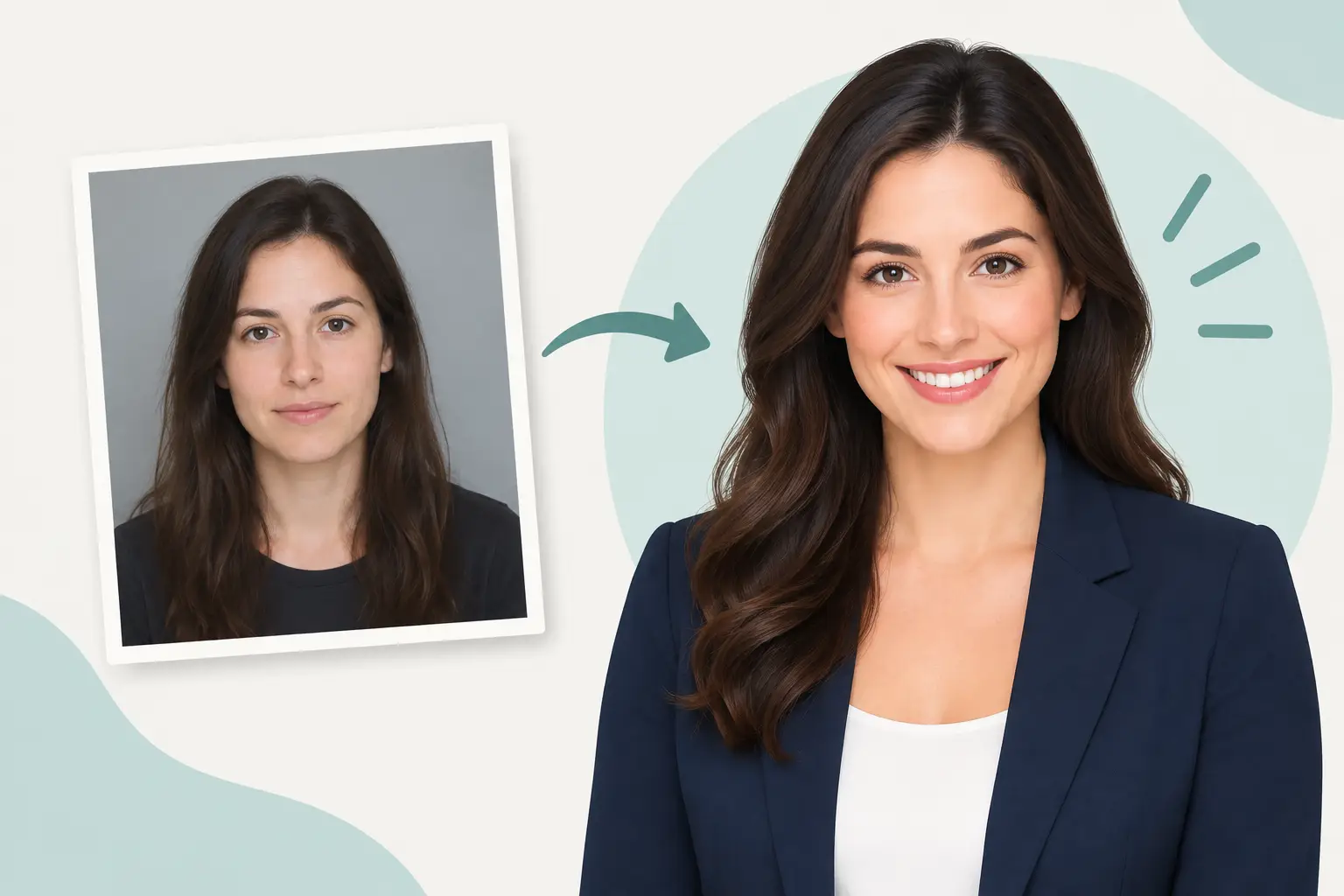
    Consider a Scottsdale-based consultant in her early fifties. She had built a respected business through years of expertise and trusted relationships, yet the portrait on her website told an older story. It was a cropped image from an event, photographed under overhead lighting, with a tentative smile and a busy background. It was not a bad photo. It simply did not reflect the poised, capable woman her clients met across the table.

    That distinction matters. A headshot should not ask viewers to imagine your confidence, credibility, or warmth. It should make those qualities immediately visible.

    The Starting Point: A Photo That No Longer Fit

    Our example client came to her session with a common concern: she wanted to look polished, but not overly styled or unlike herself. She had seen headshots that looked stiff, heavily retouched, or so trend-driven that they would feel dated within a year. Her goal was more thoughtful. She wanted imagery that felt current, approachable, and equal to the level of service she provided.

    Before the session, the conversation centered on where the portraits would appear. Her primary image would be used on her website and professional profile, while additional images would support speaking engagements, media features, and social content. This called for more than one expression and more than one crop. It required a personal branding approach built around her actual visibility needs.

    The existing image had three limitations. The lighting created shadows that emphasized fatigue rather than vitality. The casual setting made the image feel incidental rather than intentional. Most importantly, her posture and expression did not convey the easy authority she brought to her work.

    None of these are personal flaws. They are photography choices, and they can be changed.

    A Headshot Makeover Example Begins Before the Camera

    The most meaningful transformation in a headshot makeover example usually starts well before the first frame is taken. A luxury portrait experience replaces guesswork with guidance, allowing the client to arrive prepared without needing to become her own stylist, makeup artist, or creative director.

    For this client, wardrobe selection focused on color, structure, and fit. She chose a tailored jewel-toned blouse with a clean neckline, paired with a softly structured jacket for select images. The color complemented her complexion and brought richness to the frame without distracting from her face. Rather than following a fleeting trend, the wardrobe felt sophisticated enough for her field and personal enough to feel authentic.

    Professional hair and makeup were designed to photograph beautifully under studio lighting while still honoring her features. The objective was not to erase texture, age, or individuality. It was to create evenness, definition, and a rested appearance that read clearly on camera. A polished makeup application can be especially valuable for women over 50 because cameras often reveal uneven color or shine more readily than the eye does in person.

    The trade-off is worth understanding: a very natural look may feel comfortable in the mirror but disappear under professional lighting, while overly dramatic makeup can compete with the person in the image. The right application sits in the middle – elevated, refined, and recognizably you.

    Direction Changes More Than a Pose

    Many accomplished women say they are not photogenic. More often, they have simply never been directed in a way that makes them feel at ease. Being told to smile at a camera offers very little help. A professionally guided session is different.

    During the makeover, the photographer adjusted posture in small, precise ways: shoulders relaxed and angled, chin extended slightly forward and lowered just enough, weight shifted to create length, hands given a natural purpose. These adjustments may sound subtle, but they transform the way confidence appears in a finished portrait.

    Expression was treated with equal care. For her primary headshot, a gentle, direct smile communicated openness and trust. A second expression was more contemplative, suited for editorial use and leadership-focused materials. A third image captured a brighter moment of laughter, giving her brand a more personal and approachable option.

    This variety is particularly useful for entrepreneurs. Your professional identity is rarely one-dimensional, and your images should not be either. A financial advisor may need calm reassurance. A creative director may need visual boldness. A wellness professional may want warmth and presence. The best headshot is not based on a universal pose. It is based on the impression your audience needs to receive.

    Lighting That Honors Your Features

    Lighting was the central technical difference between the former image and the new portraits. Harsh overhead light tends to deepen under-eye shadows and flatten facial shape. Soft, intentional studio lighting can sculpt the face, add a natural catchlight to the eyes, and create a luminous quality that feels elegant rather than artificial.

    For this session, the lighting was tailored to bring definition to her cheekbones while preserving softness through the jawline and neckline. A simple, carefully chosen background kept the focus on her expression. In some frames, a warmer neutral backdrop gave the image an inviting, editorial feel. In others, a deeper tone created greater contrast and authority.

    There is no single background color that works for every professional. A pale backdrop can feel fresh and modern but may not offer enough distinction for light-colored wardrobe. A darker background can feel powerful and luxurious, though it may be too formal for a highly casual brand. This is why a curated session matters: every choice should support the final use of the image.

    The Reveal: From Serviceable to Signature

    The final portraits did not make the client look like someone else. They revealed the woman she already was when she spoke about her work: composed, discerning, warm, and fully present.

    In the before image, viewers saw a professional person at an event. In the finished portraits, they saw a leader with a clear point of view. Her eyes engaged the camera. Her wardrobe supported her credibility. Her expression felt relaxed rather than performed. The difference was not about looking younger. It was about looking aligned.

    That alignment has practical value. When your profile image, website, and social presence communicate the same level of care as your services, potential clients have an easier time trusting the experience you offer. A refined headshot also gives you the confidence to say yes when an interview, panel, feature, or speaking opportunity appears.

    What Makes a Headshot Makeover Worth It?

    A true headshot makeover is not defined by dramatic retouching or a dramatic before-and-after reveal. It is defined by the experience of being seen, prepared, and expertly photographed. The strongest results come from a process that considers your goals, your personal style, your features, and the places your image will work on your behalf.

    This is especially meaningful at a point of reinvention. Perhaps you are launching a new business, stepping into leadership, returning to the workforce, celebrating a milestone, or simply ready to be more visible. Your portrait can mark that transition with intention.

    At Franklin Photography Studios, the focus is on creating an elevated, guided experience in which every detail supports your confidence. You do not need to know how to pose. You do not need to arrive camera-ready. You only need to bring the version of yourself you are ready to honor.

    Your next headshot does not need to prove that you fit someone else’s idea of professional. It can capture your essence, showcase your confidence, and give your work the presence it deserves.

  • Portrait Photography Trends 2026 That Matter

    Portrait Photography Trends 2026 That Matter

    A beautiful portrait in 2026 will not be defined by a fleeting filter or a clever backdrop. It will be defined by presence: the quiet confidence in a woman’s expression, the strength in her posture, the color story that feels unmistakably her. The most meaningful portrait photography trends 2026 are moving away from images that merely attract attention and toward portraits that hold it.

    For women marking a milestone, refining their public presence, celebrating motherhood, or simply choosing to be seen with intention, this is excellent news. The direction of portraiture is becoming more personal, more considered, and more artful. Technology has a role, but exceptional photography still begins with a skilled eye, thoughtful direction, and lighting that honors the person in front of the camera.

    Portrait Photography Trends 2026: A Return to Intention

    The strongest trend is not a visual effect. It is the return to intention. Clients are increasingly choosing fewer images with greater emotional and artistic value rather than an endless gallery of nearly identical files. They want photographs that belong on a wall, in an heirloom album, on the cover of a book, or at the center of a brand they are building.

    This shift favors a full-service experience. When styling, hair and makeup, wardrobe guidance, set design, and posing are all thoughtfully coordinated, the final portrait feels complete. It does not look like a moment that happened by accident. It looks like a truthful, elevated interpretation of who you are at this particular point in your life.

    For a woman over 50, that may mean a portrait that recognizes wisdom without trying to erase time. For an entrepreneur, it may mean imagery that communicates authority and warmth in the same frame. For a maternity or boudoir client, it may mean creating room for softness, sensuality, and power without relying on cliché.

    Refined Authenticity Replaces Perfection

    Perfectly polished skin and rigid poses are giving way to a more sophisticated kind of refinement. Clients still expect to look their very best, and professional retouching remains part of a luxury portrait experience. The difference is that retouching is becoming less about changing a face and more about preserving its character.

    A luminous complexion, softened distractions, and careful attention to hair, wardrobe, and posture can create a beautiful result without making someone unrecognizable. The goal is not to produce a version of you that exists only on a screen. It is to reveal the elegance, vitality, and confidence that may be difficult to see in the rush of daily life.

    This is where expert direction matters. Natural-looking portraits are rarely accidental. A slight turn of the shoulder, the placement of a hand, a change in chin position, or a well-timed pause can transform the way a client feels in an image. Authenticity is not the absence of guidance. It is what happens when guidance is skilled enough to feel effortless.

    Expression Is Becoming the Center of the Frame

    In 2026, expression carries more weight than novelty. A direct gaze can feel commanding. A softened, private smile can feel intimate. A profile lit with restraint can create drama without requiring theatrical styling.

    The most enduring portraits allow expression to lead. This is particularly powerful for personal branding imagery, where audiences are quick to sense whether a portrait feels overly manufactured. A polished business portrait should communicate that you are prepared, accomplished, and approachable, not that you are playing a role in someone else’s visual trend.

    Editorial Color With a Personal Point of View

    Color is becoming more deliberate. Expect to see rich neutrals, sculptural blacks, warm creams, deep jewel tones, soft metallics, and saturated shades used with purpose. Rather than loud color for its own sake, the direction is editorial: color palettes that support the subject’s skin tone, wardrobe, personality, and intended use of the imagery.

    For Scottsdale and Phoenix clients, this can translate beautifully in several directions. Desert-inspired sand, terracotta, and muted sage can feel modern and grounded. A black gown against a carefully lit studio set can feel timelessly dramatic. Clean whites and sophisticated neutrals can create an elevated visual foundation for a personal brand.

    The trade-off is worth understanding. Trend-driven color can be exciting, but a portrait created for legacy should not feel dated within a year. The most successful approach often pairs a few fashion-forward looks with one or two classic wardrobe choices. This gives you images that feel current now and remain relevant for years to come.

    Dramatic Lighting, Used With Restraint

    Studio lighting is having a defining moment, especially in luxury portraiture. There is renewed appreciation for light that shapes the face, creates dimension, and brings a cinematic quality to an image. Soft window-inspired light remains beautiful, but clients are also embracing more sculpted shadows, luminous highlights, and darker backgrounds that draw attention directly to the eyes.

    Dramatic does not have to mean severe. The right lighting design can be exceptionally flattering for every age and face shape. It can create the impression of confidence, romance, mystery, or authority while maintaining a sense of ease.

    This trend is especially compelling for boudoir portraits and personal branding sessions. A founder may want a clean, bright image for a website alongside a more dramatic portrait for press features or keynote announcements. A boudoir client may prefer soft, flattering light that emphasizes shape and movement rather than a heavily stylized concept. The best choice depends on the feeling you want to preserve.

    Movement Makes Portraits Feel Alive

    Static posing will always have a place in classic portraiture, but movement is becoming more prominent. The sweep of a dress, a hand adjusting a jacket, a mother leaning toward her daughter, or a client walking through a set can introduce energy without sacrificing polish.

    Movement works because it gives people something to do besides wonder where to put their hands. It can also reveal a more relaxed expression. In a well-directed session, those in-between moments are not random snapshots. They are intentionally created opportunities for personality to surface.

    For family and generational portraits, subtle interaction is especially meaningful. A grandmother’s hand resting on her daughter’s shoulder, a shared laugh, or the way a child looks up at her mother can become the detail that turns a beautiful photograph into a family treasure.

    AI Raises the Value of the Human Artist

    Artificial intelligence will continue to influence photography in 2026, from editing tools to generated backgrounds and visual concepts. It can support efficiency and expand creative possibilities, but it also makes discernment more valuable. When almost anyone can create a polished-looking image, the distinction becomes whether the portrait feels believable, intentional, and deeply personal.

    A luxury portrait should not place a client into an imagined life that has no connection to her. It should honor her real beauty, ambition, relationships, and story. Technology can assist with refinement, but it cannot replace the experience of being guided by someone who knows how to see you, pose you, and create an image with emotional weight.

    That distinction matters for professional imagery as well. Clients and audiences are increasingly alert to visuals that feel artificial. A beautifully produced, genuinely photographed portrait creates trust because it reflects a real person who is ready to stand behind her work, her business, and her life.

    Heirloom Images Are Part of the Trend

    Digital delivery remains essential, particularly for branding and social media use. Yet there is a growing desire for tangible portraiture: framed artwork, fine art albums, and printed collections designed to be lived with rather than buried in a camera roll.

    This is not nostalgia for its own sake. A printed portrait changes the relationship you have with an image. It becomes part of your home, your daily environment, and your family history. For a milestone session, maternity portrait, mother-and-daughter experience, or beloved pet portrait, that permanence is often the point.

    The portraits that matter most in 2026 will not ask you to become someone else. They will invite you to show up fully, beautifully prepared, and ready to see your own essence with fresh eyes. Choose imagery that feels like a celebration now and something you will be proud to treasure for a lifetime.

  • A Branding Photography Review Before You Book

    A Branding Photography Review Before You Book

    A branding photography review should reveal far more than whether someone takes a beautiful portrait. For a woman building a visible, credible business, the right images must communicate expertise before a prospective client reads a single word. They should feel polished without looking impersonal, intentional without feeling overproduced, and unmistakably aligned with the woman behind the brand.

    That is why choosing a personal branding photographer deserves the same discernment you bring to choosing a business partner. Your photographs will appear across your website, social media, speaker materials, press features, proposals, and client communications. They become part of how people decide whether they trust you, remember you, and want to work with you.

    What a Branding Photography Review Should Actually Evaluate

    A gallery of flattering headshots is a promising start, but it is not the whole picture. A meaningful review looks at whether the photographer can translate a business owner’s personality, positioning, and audience into a cohesive visual story.

    Begin with consistency. Does the photographer’s work demonstrate command of light, composition, skin tone, and posing across many clients? A strong portfolio should not rely on one memorable image or a single aesthetic. Look for women of different ages, body types, professions, and personal styles who all appear confident, refined, and authentically themselves.

    Then consider range. Branding imagery has a different job than a traditional headshot. Your final collection may need a warm, direct portrait for an About page; editorial images for a feature or podcast appearance; approachable moments for social content; and photographs that show you at work, thinking, presenting, or welcoming clients. The visual language should be coherent, while the individual images should give your marketing team room to work.

    Finally, ask whether the portfolio has emotional intelligence. Technical skill matters, yet the most successful branding photographs also understand presence. A therapist may need to convey calm assurance. A real estate advisor may need polished authority with genuine warmth. A creative founder may want expressive, artful imagery that still feels elevated. The photograph should make the intended client feel that they have found the right person.

    Look Beyond the Finished Image

    A beautiful result is essential. The process that creates it matters just as much, particularly if you have ever felt uneasy in front of a camera or postponed updating your photos because the experience felt intimidating.

    In your review, pay attention to how the studio describes preparation. Is there a consultation to discuss your business, goals, wardrobe, and where the images will be used? Are you given thoughtful guidance rather than a vague instruction to bring a few outfits? The strongest sessions begin long before the camera comes out because a photographer cannot create strategic images without understanding the strategy behind them.

    For many clients, professional hair and makeup is not an extra detail. It is what allows them to arrive rested, cared for, and ready to be photographed. It should still look like you, simply the most polished version of you. The same is true of wardrobe direction and posing. You should never be left to guess what to do with your hands or worry that you need to know your best angle. Expert direction is part of the service.

    A premium experience also makes space for adjustment. Perhaps an outfit photographs differently than expected, a pose needs refinement, or an original idea no longer feels true to your brand. A photographer with experience and a calm, assured process can guide those decisions without making you feel self-conscious.

    Review Style Through the Lens of Your Brand

    There is no universally correct look for branding photographs. Light-filled and relaxed may suit one company beautifully; dramatic studio lighting and a tailored editorial feel may be exactly right for another. The question is whether the photographer’s signature style serves your message.

    Study the lighting first. Natural-light imagery can feel open and conversational, but it can also be inconsistent and weather-dependent. A controlled studio environment offers precision, privacy, and a more polished finish. Neither choice is automatically superior. It depends on the atmosphere you want clients to experience when they encounter your work.

    Next, look at backgrounds and sets. A neutral backdrop often gives a portrait longevity and versatility. Curated interiors can add context and personality, especially for social media and website storytelling. Yet an overly trendy setting may date quickly or pull attention away from your expression. The finest branding imagery uses design to support the subject, never to compete with her.

    Retouching deserves a close look as well. You want to appear rested, luminous, and camera-ready, not edited into someone unrecognizable. Refined retouching preserves the texture of real skin, the character in your smile, and the details that make the portrait feel believable. This is especially meaningful for women who want images that celebrate their confidence and experience rather than erase them.

    Questions That Reveal Quality and Fit

    Before you book, a conversation can tell you what a portfolio cannot. Ask how the photographer approaches a personal brand session and what guidance is included from start to finish. Ask how many final images are typically selected, what usage you should plan for, and whether the collection can accommodate different layouts for websites, social platforms, and print.

    It is also wise to ask how the photographer handles image selection. Seeing your photographs can be more emotional than expected. A guided review helps you choose images that are not merely your personal favorites, but the ones that best support the way you want your business to be perceived.

    Client feedback is useful when it describes the experience in specific terms. Notice comments about feeling comfortable, well directed, understood, and more confident than expected. Those details often indicate a photographer who can bring out a natural expression rather than simply capture a practiced smile.

    Be cautious with reviews that focus only on speed or price. Efficiency can be valuable, especially for a simple corporate headshot, but branding photography is an investment in perception. The least expensive option may deliver a few usable files, while a more comprehensive session can provide a considered library of images with a longer marketing life. The right decision depends on the visibility of your business, the quality of your current visuals, and how often you need fresh content.

    When a Headshot Is Not Enough

    A straightforward headshot is appropriate when you need one professional image for a company directory, email signature, or LinkedIn profile. It is clean, practical, and sometimes exactly what the moment requires.

    Personal branding photography is different. It gives your audience context. It can show the elegance of your style, the energy you bring to a client conversation, the care behind your work, or the conviction with which you lead. For entrepreneurs, consultants, authors, speakers, and service providers, those visual cues can make a brand feel more human and more established.

    Think about the pages and platforms where your images will live. A website needs horizontal space for text, vertical images for mobile layouts, and a mix of close portraits and wider scenes. Instagram and newsletters benefit from variety. Media opportunities may require a polished, high-resolution image on short notice. Planning for these needs during the session creates a collection that works harder for you.

    At Franklin Photography Studios, branding sessions are designed as a guided portrait experience rather than a quick appointment in front of a backdrop. The goal is to capture your essence with expert styling, flattering light, intentional direction, and imagery that showcases your confidence at every point where your business is seen.

    Give Your Images a Standard Worth Meeting

    The most compelling branding portrait does not ask you to perform a version of success that feels foreign. It lets you be fully present in the one you have built. When reviewing a photographer, choose the one whose work makes you feel not only beautiful, but recognized: capable, distinctive, and ready for the next room your business enters.

    Your brand is already speaking. Give it images with the poise, warmth, and authority to say something worthy of you.

  • Why Professional Portraits Matter More Than You Think

    Why Professional Portraits Matter More Than You Think

    A portrait can become the image someone reaches for when they want to remember a season of courage, a new beginning, or the face of a woman who finally allowed herself to be seen. That is why professional portraits matter. They do more than document your appearance on a particular day. When created with intention, they preserve your presence, your confidence, and the distinct essence of your life right now.

    For many women, being photographed brings a surprising mix of anticipation and vulnerability. You may be comfortable leading a team, building a business, raising a family, or caring for everyone around you, yet still hesitate when the camera turns toward you. A thoughtfully directed portrait experience changes that dynamic. It replaces pressure with preparation and self-consciousness with the opportunity to see yourself through an artist’s trained, affirming eye.

    Why Professional Portraits Matter at Every Life Stage

    There is no single reason to commission a portrait. A woman celebrating her 50th birthday may want imagery that reflects the confidence she has earned. An expectant mother may want to honor the powerful, fleeting transformation of pregnancy. An entrepreneur may need personal branding images that convey authority before she says a word. A family may want to preserve several generations together while everyone can still gather in one frame.

    The common thread is significance. Professional portraits give meaningful moments the care they deserve.

    A phone photograph has a valuable place in everyday life. It captures spontaneity, humor, and small details that might otherwise disappear. But it is not designed to carry the full responsibility of an heirloom portrait, an executive introduction, or a personal milestone. The difference lies in intention. A professional photographer considers the light, composition, posing, styling, expression, and final presentation so the image communicates something true and lasting.

    That level of care matters especially when the portrait represents how you wish to be remembered. The goal is not to make you look like someone else. It is to create imagery that feels polished, powerful, and unmistakably yours.

    A Portrait Is an Act of Being Seen

    Many people have spent years avoiding the camera or accepting photographs that do not feel like them. Perhaps the lighting was unflattering, the pose felt awkward, or the image caught a moment without capturing the person. Over time, those experiences can create the belief that being photogenic is a quality reserved for other people.

    It is not.

    A refined portrait session is guided from the beginning. Professional hair and makeup can enhance rather than conceal. Wardrobe guidance can help you select colors, silhouettes, and textures that support the feeling you want to convey. Expert posing is not about forcing your body into an unnatural position. It is about subtle adjustments to posture, hands, chin, and shoulders that allow you to look relaxed, confident, and at ease.

    This is where technical skill becomes personal. A photographer who understands flattering light, lens choice, and direction can reveal the beauty that rushed snapshots often miss. The result is not just a beautiful image. It is a shift in perspective. Clients often arrive focused on perceived flaws and leave recognizing their strength, warmth, elegance, and individuality.

    For women over 50, this experience can be particularly meaningful. Portraiture offers a welcome alternative to the narrow idea that beauty belongs only to youth. A sophisticated image can celebrate experience, wisdom, style, and self-possession. It says that this chapter is not an afterthought. It deserves to be honored on its own terms.

    The Difference Between Looking Good and Communicating Well

    For professionals and entrepreneurs, portraits are also part of your visual reputation. Before a prospective client reads your credentials or schedules a call, they may encounter your headshot on a website, social profile, press feature, or speaking announcement. The image should support the caliber of your work.

    A quick headshot can be perfectly adequate for a casual directory listing. But if your business depends on trust, expertise, and a premium client experience, adequacy may not be the message you want to send. Personal branding imagery gives you a more complete visual language. It can show your approachability, your leadership, your creativity, and the environment in which you do your best work.

    The trade-off is worth considering honestly. Not everyone needs an extensive branding library every year. If your role is internal and your public presence is limited, one exceptional headshot may serve you well. If you are actively marketing a business, launching a service, pursuing speaking opportunities, or refining a high-end brand, a fuller collection of images can provide far more value. You gain the flexibility to show up consistently across your marketing without relying on outdated photos or generic stock imagery.

    The strongest branding portraits do not simply show what you look like. They give people a sense of what it may feel like to work with you.

    Milestones Deserve More Than a Passing Image

    Some seasons are too meaningful to leave buried in a camera roll. Maternity, a major birthday, a mother-and-daughter session, a beloved pet’s later years, and a gathering of grandparents, parents, and children all carry emotional weight that grows with time.

    Generational portraits are a powerful example. At first, they may feel like a beautiful family occasion. Years later, they become an irreplaceable record of connection. The way a mother leans toward her daughter, the pride in a grandmother’s expression, or the quiet affection between family members can become more precious than anyone anticipated.

    The same is true for pet portraits. Our pets are woven into the rhythm of home and family, yet their time with us is heartbreakingly brief. A professionally crafted portrait can honor their personality, whether that means soulful, playful, regal, or wonderfully mischievous. It is not an indulgence. It is a tangible way to keep a beloved companion present in the story of your life.

    Professional portraiture also creates room for personal reinvention. A boudoir session, for instance, is not only about creating sensual imagery. For many women, it is a private declaration of self-worth, confidence, and ownership of their bodies. The experience should be respectful, expertly guided, and entirely centered on the client’s comfort and boundaries. When those conditions are in place, the photographs can become a meaningful reminder of how powerful it feels to take up space.

    The Craft Behind an Heirloom Image

    A luxury portrait experience is often mistaken for a few extra touches around the photo session. In reality, the difference is built into every stage of the process.

    It begins with listening. What do you want these images to say? Who are they for? Will they live as framed artwork in your home, support your professional brand, become a gift, or mark a personal milestone? The answers influence everything from styling and set design to expression and final artwork.

    Then comes the craft that is largely invisible in a finished portrait. Professional lighting shapes the face with softness and dimension. Careful posing protects against stiff, uncomfortable results. Curated sets and intentional wardrobe choices create visual cohesion. Artful retouching refines distractions while preserving the features and character that make the portrait feel real.

    There is a meaningful distinction between enhancement and erasure. The best portrait work does not remove every line, texture, or sign of life. It honors the person in front of the camera while presenting her at her finest. That balance takes discernment, not a filter.

    At Franklin Photography Studios, the experience is designed around this principle: clients are prepared, guided, and photographed with the level of care reserved for imagery that will matter for years. From professional styling through the final selection process, the purpose is to create more than a flattering photograph. It is to create a portrait you are proud to display.

    Confidence Has a Long Afterlife

    The most immediate value of a portrait session may be how you feel during it and shortly afterward. You see yourself polished, supported, and genuinely celebrated. But the deeper value often reveals itself later.

    You may glance at your portrait before a difficult meeting and remember your composure. Your children may one day see the image and recognize a side of you that daily life did not always reveal. A client may choose to contact you because your branding imagery conveyed professionalism and warmth. A framed family portrait may become the object everyone pauses to look at during a holiday gathering.

    These are not superficial outcomes. Images shape memory, identity, and connection. They influence how we present ourselves and how loved ones remember the people who matter most.

    You do not need to wait until you feel completely ready, thinner, less busy, more confident, or more certain that the timing is right. Life rarely presents a perfect window. Choose the season you are in, bring the story that is yours, and allow it to be captured with the beauty and intention it deserves.

  • Headshot Retouching Expectations, Refined

    Headshot Retouching Expectations, Refined

    A strong headshot should prompt a familiar reaction: “That is exactly how I look on my best day.” Clear headshot retouching expectations make that possible. The goal is not to create a different face for LinkedIn, a company website, or a speaking engagement. It is to create a polished, credible portrait that preserves the confidence, warmth, and individuality people recognize when they meet you.

    For many accomplished women, retouching is the unspoken concern behind booking a headshot session. You may want to soften a temporary breakout, under-eye shadows, or a distracting shine, while keeping the character in your smile and the intelligence in your expression. Those are not competing desires. With thoughtful lighting, careful preparation, and a refined retouching approach, your final image can feel elevated without ever feeling artificial.

    What Professional Headshot Retouching Should Do

    Professional retouching is the finishing work, not the foundation of a beautiful headshot. The most flattering result begins with expert posing, intentional wardrobe guidance, polished hair and makeup, and lighting designed for your features. Retouching then brings consistency and calm to the image, allowing your presence to lead.

    A well-retouched headshot typically addresses temporary distractions and subtle tonal variations. A photographer may soften a blemish that appeared that week, reduce redness, balance uneven skin tone, minimize stray hairs, and refine distracting shine. Under-eye shadows can be gently softened, teeth may be brightened with restraint, and the background can be cleaned so nothing competes with your face.

    The key word is restraint. Every face has texture, dimension, and movement. Removing every line, pore, and shadow can flatten an image until it no longer feels believable. In professional branding, that loss of authenticity can work against you. Your audience is looking for a capable, approachable human being, not a filtered version of one.

    Retouching Is Not a Substitute for Great Photography

    A common misconception is that every concern can be corrected afterward. Technically, many things can be changed, but that does not mean they should be. Heavy corrections require more time, may look less natural, and can compromise the texture and integrity of the photograph.

    This is why a full-service portrait experience matters. When you arrive feeling prepared, receive professional styling support, and are guided through expressions and poses that flatter you, there is less need to rely on extensive digital alteration. The camera captures more of what is already true: your confidence, your authority, and your natural elegance.

    Headshot Retouching Expectations for Natural Results

    The most useful standard is simple: your headshot should still look like you in person. It should look like you after a restorative night of sleep, excellent makeup, and a particularly good day, not like someone with a completely different complexion, jawline, or age.

    Natural retouching usually preserves meaningful features, including smile lines, freckles, moles, and the subtle texture that makes skin look like skin. Whether a feature is retained, softened, or removed is personal. A beauty mark you have had all your life may be part of your identity. A temporary blemish may not be. The distinction should be discussed rather than assumed.

    Age is another area where sensitivity and skill matter. Women over 50 are often told, directly or indirectly, that every sign of life should be erased in a portrait. That approach misses the point. Fine lines can communicate warmth, discernment, joy, and experience. Retouching can soften the effects of dry skin, fatigue, or harsh lighting while honoring the face you have earned. A sophisticated portrait celebrates your vitality without asking you to look twenty-five.

    For entrepreneurs and executives, the balance may shift slightly depending on your industry. A real estate professional, attorney, creative director, wellness founder, or financial advisor may each want a different degree of polish. A beauty professional may prefer immaculate, editorial skin. A consultant building trust through expertise may value a more relaxed, highly authentic finish. Neither choice is universally right. The best result supports the message your personal brand needs to communicate.

    What to Discuss Before Your Session

    You do not need technical vocabulary to communicate your preferences. A thoughtful photographer should make the conversation easy. It helps to share how and where you will use your images, whether that is a website, social media, press features, a dating profile, a company directory, or a personal rebrand.

    Be direct about features that matter to you. You might say that you would like to retain your freckles, soften under-eye shadows, leave your smile lines intact, or remove a temporary blemish. You may prefer your gray hair to look luminous rather than muted, or want a small scar left untouched because it is part of your story. Clear direction helps create a portrait that feels personal rather than generically polished.

    It is equally valuable to express what you do not want. If you have seen headshots that look overly smoothed, blurred, or heavily reshaped, say so. Reference the feeling you want your portrait to convey: powerful, approachable, modern, serene, vibrant, creative, or quietly luxurious. Those emotional cues help guide choices in lighting, expression, styling, and retouching alike.

    A Note on Facial Reshaping and Body Alterations

    Digital tools can alter facial proportions, change body shape, remove wrinkles, whiten eyes beyond realism, and even modify hair volume. These requests deserve an honest conversation because they can affect how you feel when someone meets you after seeing your photo.

    Subtle refinements may be appropriate in certain circumstances, particularly for an editorial campaign or a highly stylized branding concept. Yet for a professional headshot, dramatic reshaping often creates a disconnect between image and identity. The strongest portrait does not ask you to become more acceptable before you are seen. It presents you at your most intentional and self-assured.

    Why Lighting Changes the Retouching Conversation

    Many concerns clients expect to solve with Photoshop are better addressed before the shutter is pressed. Good lighting can reduce the appearance of texture without erasing it, bring light into the eyes, define cheekbones gracefully, and create an even, flattering complexion. Directional choices also affect mood. Soft light may feel welcoming and refined, while more sculpted light can feel decisive and editorial.

    At Franklin Photography Studios, the portrait process is designed around this level of care. Posing is adjusted in small, purposeful ways. A change in chin angle, shoulder position, or light placement can transform the way you see yourself in a frame. When the image is built thoughtfully from the start, retouching becomes a graceful final polish rather than a rescue operation.

    Hair and makeup also deserve proper context. Professional makeup for photography is not about making you look overdone. It is calibrated for studio light and camera detail, helping your features read beautifully while remaining appropriate for your personality and brand. A polished complexion, defined eyes, and a considered lip color can reduce distractions while ensuring you still feel like yourself.

    How to Recognize Over-Retouching

    Over-retouching is often felt before it is easily described. Skin may look waxy or strangely blurred. The whites of the eyes may appear too bright. Teeth may become unnaturally white, and the face may lose the tiny variations in tone that create dimension. Sometimes the result is technically smooth but emotionally distant.

    Before approving final images, look beyond whether every perceived flaw is gone. Ask whether your eyes still look alive, whether your skin still has believable texture, and whether the image reflects how you want to be remembered. If you hesitate because it feels unfamiliar, that instinct is worth honoring.

    A premium headshot is not a promise of perfection. It is an invitation to be seen with clarity. Choose a portrait experience that listens carefully, understands the difference between refinement and reinvention, and gives you an image you will feel proud to share long after the moment it was created.

  • How to Look Confident in Headshots Every Time

    How to Look Confident in Headshots Every Time

    A confident headshot is not about forcing a bigger smile or pretending to be someone you are not. It is about allowing the camera to see the composed, capable person people meet when you are doing work you care about. If you are searching how to look confident headshots, the answer begins with this: confidence photographs best when you feel supported, prepared, and genuinely yourself.

    For entrepreneurs, executives, creatives, and women stepping into a new chapter, a headshot often becomes a first introduction. It may appear beside a professional bio, on a company website, in a media feature, or on the profile of a business you are building with intention. The right portrait does more than confirm what you look like. It showcases your confidence, warmth, authority, and presence.

    How to Look Confident in Headshots Starts Before the Camera

    Many people assume confidence is created in a single second, when the photographer says to smile. In reality, it begins well before you step in front of the lens. When you know what to wear, understand the purpose of your images, and have a clear sense of the impression you want to make, your body naturally settles.

    Start by considering where the headshot will live. A leadership portrait for a law firm may call for polished structure, restrained color, and a direct expression. A personal branding image for a wellness founder might feel softer, more approachable, and more creative. Neither approach is more confident than the other. The goal is alignment between your image and your professional identity.

    Give yourself enough time before the session. Rushing from an appointment, fighting traffic, or arriving unsure about your outfit can leave tension visible in your eyes and shoulders. A luxury portrait experience should create room to arrive, breathe, and transition into the moment. Professional hair and makeup are not about hiding your features. They help create a refined, camera-ready finish while allowing you to feel cared for.

    Wear Something That Lets You Stand Tall

    Your wardrobe affects posture more than most people realize. If a jacket pulls across the shoulders, a blouse gaps at the buttons, or shoes make you feel unstable, you will spend the session managing your clothing instead of connecting with the camera. Confidence has a physical component, and comfort is part of it.

    Choose pieces that fit beautifully through the shoulders and torso. A tailored blazer, elegant dress, structured blouse, or a simple top in a rich solid color can photograph with distinction. Necklines matter as well. A neckline that frames your face and gives you room to lengthen your neck is often more flattering than one that sits too high or feels restrictive.

    Color should support your complexion and your brand. Jewel tones, warm neutrals, classic navy, black, ivory, and muted earth tones can all work beautifully, depending on your coloring and intended use. Very small patterns, obvious logos, and overly trendy details can compete with your expression. If you are uncertain, bring two or three options so your photographer can help select what best serves the image.

    The trade-off is worth remembering: an outfit may look impressive on a hanger but feel unlike you. For a headshot, choose the garment that makes you feel polished and powerful, not costumed.

    Let Your Posture Create Presence, Not Stiffness

    The most common mistake in headshots is trying too hard to stand perfectly straight. Rigid posture can read as nervousness, while a relaxed, lifted stance suggests ease and self-assurance.

    Think of growing taller through the crown of your head while allowing your shoulders to drop away from your ears. Shift your weight slightly rather than planting yourself squarely and evenly on both feet. This creates a more natural line through the body and prevents the image from feeling flat. Your photographer may place one shoulder closer to the camera, adjust the angle of your chin, or ask you to lean subtly forward. These small refinements create dimension and bring your face forward with intention.

    A useful cue is to imagine you are listening to someone you respect. Your chin comes slightly forward and down, your eyes become engaged, and your posture stays open. This is very different from pushing your chin up, which can make the expression feel distant, or pulling it back, which may create unnecessary tension through the neck.

    You do not need to memorize poses. In fact, you should not. An experienced photographer will guide your positioning moment by moment, watching for the details you cannot see: a lifted shoulder, a clenched hand, or a tilt that brings out your strongest features.

    Find an Expression That Feels Like You

    Confidence is not one expression. A broad, joyful smile can be exactly right for a speaker, coach, or community-minded business owner. A calm, direct expression may be more fitting for an executive, consultant, or attorney. The most compelling headshots often include both, because different platforms call for different energy.

    Instead of telling yourself to smile, think about a person or moment that brings out a genuine sense of pride, affection, or amusement. A real thought changes the eyes before it changes the mouth. That is why an authentic expression feels so magnetic in a portrait.

    If you tend to feel self-conscious about your smile, begin with a soft expression. Let your lips part slightly, exhale, and allow the smile to build gradually. Forced smiles often begin too big and fade quickly. A photographer who creates a calm, affirming environment can help you move through those first camera-shy moments until your natural expression appears.

    Eye contact matters, too. Looking directly into the lens conveys connection and leadership. Looking just beyond it can feel reflective or editorial. Neither is wrong, but direct eye contact is usually the stronger choice for a classic professional headshot because it creates the feeling that you are meeting the viewer with clarity.

    Use Your Hands and Breath to Release Tension

    Even when a headshot is cropped closely, tension in your hands can travel up through your arms, shoulders, and face. Before each set of images, let your hands relax at your sides, gently shake out your arms, and take one slow breath out. An exhale softens the jaw and helps prevent that braced, waiting-for-the-camera look.

    Avoid gripping your clothing, clasping your hands tightly, or holding your breath. If your hands appear in the image, give them a purpose: lightly touch a jacket lapel, rest one hand at the waist, or hold a simple prop that is genuinely connected to your work. For personal branding imagery, a notebook, tablet, or product may be appropriate. For a formal corporate headshot, less is often more.

    The camera can detect the difference between a pose you are enduring and a moment you are inhabiting. A few seconds of movement between frames can make a remarkable difference. Roll your shoulders, reset your stance, and let the next expression arrive fresh.

    Trust Direction Instead of Judging Every Frame

    One of the fastest ways to lose confidence during a headshot session is to decide too early that you are not photogenic. Most people are simply unaccustomed to seeing themselves photographed with professional lighting, considered posing, and a lens close to their face. It can take a few minutes to adjust.

    Try not to inspect every image for perceived flaws. A strong portrait is shaped by light, angle, expression, styling, and timing. What may feel unusual in one frame can become striking once the photographer makes a slight adjustment to your posture or guides a softer expression.

    At Franklin Photography Studios, the process is designed to be guided rather than performative. You do not need to arrive knowing your best angle or how to position every feature. Your role is to show up as yourself. Expert direction, flattering light, and thoughtful styling do the work of refining that presence into imagery that feels elevated and true.

    Give Yourself Permission to Be Seen

    The confidence people respond to in a headshot is rarely perfection. It is the quiet assurance of someone who knows she belongs in the room, on the website, at the head of the table, or at the center of her own next chapter.

    Before your session, choose one word you want your image to communicate: credible, welcoming, bold, polished, visionary, grounded. Keep that word in mind when the camera comes up. Then let yourself be seen. Your headshot does not need to make you look like anyone else. It should make your strength unmistakably your own.

  • Women Over Fifty Portrait Makeover Experience

    Women Over Fifty Portrait Makeover Experience

    The moment you see a portrait that truly resembles the woman you have become, rather than a version of yourself edited into someone else, something shifts. A women over fifty portrait makeover is not about chasing youth or fitting a prescribed definition of beauty. It is a refined, expertly guided experience designed to capture your essence: your intelligence, warmth, presence, and the confidence earned through a full life.

    For many women, booking a portrait session marks a meaningful transition. Perhaps you have built a business, reached a milestone birthday, begun a new chapter, or simply realized that the images in your camera roll do not reflect how vibrant you feel. The right portrait experience creates room to be seen with intention.

    What a Women Over Fifty Portrait Makeover Should Feel Like

    A true portrait makeover begins long before the camera comes out. It should feel personal, unhurried, and reassuring. You are not expected to arrive knowing how to pose, what to wear, or how to make yourself camera-ready. That is the work of a full-service portrait team.

    Professional hair and makeup are not intended to cover you up. At their best, they bring balance and polish to features the camera can sometimes flatten: defined eyes, luminous skin, natural-looking dimension, and a look that still feels recognizably yours. The goal is elevated, not overdone.

    This distinction matters especially after 50. Beauty trends built for social media often rely on heavy contour, overly matte finishes, or dramatic styling that can feel disconnected from real life. A skilled artist considers your skin texture, personal style, coloring, and comfort level. Whether you prefer soft and classic, modern and editorial, or quietly glamorous, your finished look should feel like you on an exceptional day.

    The same care belongs in the photography itself. Flattering portraiture is not a matter of hiding perceived flaws. It is an art of thoughtful lighting, purposeful angles, gentle direction, and a photographer who understands how to create images with dimension and grace.

    The Difference Is in the Direction

    Most people are not naturally comfortable in front of a camera. That has nothing to do with how photogenic they are. It is simply difficult to relax when you are unsure where to place your hands, how to stand, or whether your expression looks natural.

    An experienced portrait photographer removes that uncertainty. Small adjustments make a remarkable difference: a turn of the shoulders, a softened hand, a shift in weight, or a breath before the shutter clicks. Rather than asking you to perform, your photographer guides you into poses that feel natural and look polished.

    This is where a luxury session earns its value. You do not need to arrive as a model. You only need to be open to the process. With clear direction, even women who begin by saying they are not good in photographs often leave feeling surprised by how comfortable they became.

    The strongest portraits also make space for expression. A confident gaze may suit a professional branding image. A softer smile may feel right for an heirloom portrait intended for your family. Neither is more authentic than the other. Your session should reveal multiple facets of your personality rather than reducing you to one pose or mood.

    Styling That Supports Your Presence

    Wardrobe is often the first source of anxiety, yet it can become one of the most enjoyable parts of the experience. A thoughtful wardrobe consultation helps you choose pieces that photograph beautifully while honoring the way you want to feel.

    Solid colors, refined textures, and well-tailored silhouettes tend to create a timeless result. Jewel tones, rich neutrals, cream, navy, emerald, burgundy, and black can all photograph beautifully when selected with your coloring and the set in mind. The best choice is not always the trendiest one. It is the garment that makes you stand taller when you put it on.

    Consider bringing more than one look when your session allows. A structured blazer or elegant dress can create a strong, sophisticated portrait, while a softer blouse or flowing fabric can bring warmth and movement. For entrepreneurs, this variety is especially valuable. You may need imagery that communicates authority for your website while also showing the approachable personality behind your brand.

    There are trade-offs. A beloved oversized top may feel comfortable but conceal the shape and posture that make a portrait feel intentional. An extremely tight or unfamiliar outfit can make it harder to relax. The most flattering wardrobe pieces are usually those with shape, ease, and a level of polish that feels natural to you.

    Why Professional Lighting Changes Everything

    Phone cameras have made photographs more accessible, but accessibility is not the same as portrait artistry. Professional lighting shapes a face with care. It can illuminate the eyes, create graceful definition along the cheekbones and jawline, and preserve the richness of your skin without making it appear artificial.

    This is not about erasing every line. Expression lines carry character. Skin texture is human. Expert lighting and considered retouching create a finished image that is polished while remaining honest, so you recognize yourself immediately and love what you see.

    A studio environment also offers privacy and control. Every element, from the background and wardrobe changes to the direction of the light, is curated around the final artwork. For women who feel self-conscious about being photographed in a public location, that privacy can make a profound difference in their ability to relax and enjoy the experience.

    More Than a Beautiful Photograph

    The value of a portrait session often becomes clearer after it is over. A finished portrait can become the image you use when introducing yourself professionally, celebrating a new venture, or updating a profile that has not represented you in years. It can also become something more intimate: a piece of personal artwork that reminds you of your own strength.

    For some women, these images are part of a legacy. Your children and grandchildren deserve to see more than candid snapshots in which you are half-hidden behind someone else. They deserve to see you centered, radiant, and fully present. A portrait has the power to preserve not only how you looked, but how you carried yourself during this particular season of life.

    That is why the final presentation matters. Digital files are useful, particularly for branding and professional visibility, but printed portrait art has a different presence. An elegantly finished piece displayed in your home becomes part of the story your space tells. It is a daily reminder that you do not need a special occasion to acknowledge your own value.

    Choosing the Right Portrait Studio

    When choosing a photographer in Scottsdale, Phoenix, or the surrounding area, look beyond a pretty portfolio. Ask how the session is planned, whether hair and makeup are included, how wardrobe is handled, and what direction you will receive during the shoot. The experience should be as considered as the final images.

    You should also look for consistency. A photographer who understands women over 50 will create portraits that honor individuality across many skin tones, face shapes, body types, and personal styles. Their work should feel polished without looking repetitive or excessively retouched.

    At Franklin Photography Studios, the process is designed around that personal transformation. From professional styling through the final portrait selection, each detail is intended to help you feel prepared, comfortable, and exceptionally photographed.

    You do not need to wait until you lose a few pounds, change your hair, or find a reason that feels sufficiently important. The woman you are now is already worthy of being seen with artistry. Choose the portrait experience that lets you showcase your confidence and create something you will treasure for a lifetime.

  • What a Branding Portrait Transformation Reveals

    What a Branding Portrait Transformation Reveals

    A branding portrait transformation is not about becoming someone else for the camera. It is about creating the conditions for your most assured, polished, and recognizable self to be seen. For a woman building a business, stepping into a new leadership role, or refining how she presents herself professionally, that distinction changes everything.

    A strong personal brand is built on more than a logo, a color palette, or a carefully written bio. People form an impression before they read the details. Your imagery communicates your standards, personality, presence, and level of care in a single glance. When those images feel generic, overly stiff, or disconnected from who you are, they can quietly dilute the message you work so hard to share.

    Why a Branding Portrait Transformation Matters

    The right portrait does not simply say, “This is what I look like.” It says, “This is how I lead. This is what it feels like to work with me.” That emotional clarity is especially valuable for entrepreneurs, consultants, executives, creatives, and service professionals whose businesses are closely connected to their own reputation.

    Many women arrive for branding portraits believing they are not photogenic or that they need to lose weight, change their hair, or become more comfortable in front of a camera before they can be photographed well. In reality, exceptional portraiture is a collaboration. Professional hair and makeup, intentional wardrobe guidance, refined posing, and expert lighting all work together to reveal what a rushed headshot never has the time to capture.

    Transformation is not a filter. It is the confidence that arrives when every visual choice has been made with purpose.

    For some clients, the shift is subtle: a more current, elevated expression of an established career. For others, it marks a significant reinvention after launching a business, returning to work, entering a new season of life, or deciding they are ready to be more visible. The images should honor the truth of that moment without turning you into a version of yourself your clients would not recognize in person.

    The Difference Between a Headshot and Brand Imagery

    A traditional headshot has a focused job. It introduces you clearly and professionally, often for a company website, speaker bio, press feature, or professional profile. It should be clean, flattering, and current.

    Personal branding imagery has a broader role. It creates a visual library that supports your website, social media, media features, launch materials, newsletters, and marketing campaigns. Alongside a polished portrait, you may need images that show you in conversation, reviewing a plan, working at a desk, holding a product, or simply presenting the confident, approachable energy clients can expect from you.

    Neither approach is inherently better. If you only need one excellent image for a professional directory or corporate profile, a concise headshot session may be the right fit. If you are the face of your business or want to build a more cohesive online presence, a branding experience offers far more range and longevity.

    The key is intention. A real estate professional may want portraits that feel warm, decisive, and locally connected. A wellness founder may need a quieter visual approach with a sense of calm and trust. A luxury service provider may benefit from editorial, sophisticated imagery that reinforces a premium client experience. The visual language should match the promise of the brand.

    What Creates a True Branding Portrait Transformation

    A refined result begins long before the first image is made. The most effective sessions are guided from the start, with thoughtful conversation about how you want to be perceived, where your images will appear, and what your audience needs to feel when they encounter them.

    Styling That Supports Your Message

    Wardrobe is not decoration. It establishes tone, shape, and authority. A structured blazer can communicate polish and leadership, while a flowing silk blouse may feel more creative, personal, or feminine. The goal is not to wear what is currently trending simply because it is fashionable. The goal is to choose pieces that feel like the elevated version of your own style.

    Solid colors and intentional textures often photograph beautifully, but the best options depend on your brand, your coloring, and the overall visual direction. A well-planned session includes variety without visual confusion: perhaps one look that feels classic and authoritative, another that is more relaxed and approachable, and a third with a more editorial edge.

    Professional hair and makeup are equally essential. They are not about masking your features. They are designed to provide camera-ready polish, define your best features under studio lighting, and help you arrive feeling cared for rather than rushed.

    Direction That Replaces Guesswork

    Most people are not expected to know how to pose. That is the photographer’s work. Small adjustments in posture, shoulder placement, hand position, expression, and the angle of the face can dramatically affect whether an image feels confident or constrained.

    The most natural-looking portraits are often the most carefully directed. A skilled photographer gives clear, encouraging guidance while leaving room for genuine expression. You should never have to wonder what to do with your hands or whether your smile looks forced. When you feel supported, your body relaxes, and your real presence comes forward.

    Lighting That Honors Your Features

    Lighting is one of the clearest distinctions between an ordinary image and a crafted portrait. It shapes the face, creates dimension, smooths distractions without erasing character, and establishes the mood of the final work.

    Soft, flattering lighting can bring a luminous quality to skin and eyes, while more sculpted light may convey drama, depth, or executive strength. There is no single “best” lighting style for every woman. It depends on your features, your comfort level, and the character of your brand. The important thing is that the light is chosen with you in mind, not applied as a one-size-fits-all formula.

    Bring Your Audience Into the Frame

    A branding session should reflect not only who you are, but also the people you hope to serve. Consider the questions a prospective client is silently asking when they land on your website or social profile: Is she experienced? Does she understand people like me? Will this feel personal? Is this service worth the investment?

    Your portraits can answer those questions before a conversation begins. Images with direct eye contact may create immediate trust. A relaxed laugh can make a high-achieving professional feel accessible. A composed, editorial portrait can reinforce discernment and expertise. These choices are subtle, but they influence whether your visual presence feels aligned or accidental.

    This is why stock imagery and quickly captured content often have limits. They can fill space, but they rarely carry the specificity of your own story. Your audience is not looking for a generic professional. They are looking for the person behind the promise.

    Planning Images You Will Actually Use

    The most beautiful branding portraits are also practical. Before your session, think about where your images need to work over the next six to twelve months. A website banner has different compositional needs than an Instagram profile image. A magazine feature may require horizontal space for text, while a speaking engagement may call for a more formal, close-up portrait.

    Ask for variety in orientation, expression, crop, and wardrobe so your final collection does not feel repetitive. You may want a few images with generous negative space for marketing copy, several close portraits for profile use, and lifestyle-inspired images that add movement and context to your content.

    At Franklin Photography Studios, the experience is designed to feel elevated and personal from the first planning conversation through the finished artwork. For clients in Scottsdale, Phoenix, and surrounding communities, that level of preparation helps turn being photographed from an intimidating obligation into an occasion worth enjoying.

    Confidence Is the Lasting Result

    There is a practical return on investing in personal branding photography: stronger marketing materials, more consistent visibility, and a collection of images that makes content creation easier. But the deeper value is often more personal.

    Seeing yourself portrayed with care can shift the way you occupy your own professional space. You may recognize a strength in your expression that you have overlooked. You may see that your experience is visible, your warmth is credible, and your ambition does not need to be softened to be appealing.

    Choose images that do more than document your face. Choose portraits that make it easier to stand behind your name, speak about your work, and let the right people see the woman they have been looking for.