
Author: Franklin Photography Studios

  • Portrait Session Planning Guide That Works

    Portrait Session Planning Guide That Works

    The difference between a portrait you simply like and one you treasure for years usually comes down to what happens before the camera ever comes out. A thoughtful portrait session planning guide helps you walk into your session feeling clear, confident, and beautifully prepared, which shows in every expression, pose, and detail.

    Luxury portraiture should never feel rushed or uncertain. The experience is meant to support you from the first conversation through the final image selection, so you are not left guessing what to wear, how to pose, or whether you will feel comfortable in front of the lens. The best portraits are not accidental. They are crafted with intention.

    Why a portrait session planning guide matters

    Planning shapes far more than logistics. It influences how relaxed you feel, how cohesive your images look, and whether the final portraits truly reflect your personality, style, and purpose.

    If your session is for personal branding, preparation affects credibility as much as beauty. Your wardrobe, backdrop choices, and expression all communicate something about your business and presence. If your portraits are for a milestone such as maternity, a women-over-50 session, or a mother-and-daughter experience, planning helps the images feel timeless rather than trendy.

    This is also where many people shift from nervous to excited. When each element has been considered in advance, there is room to enjoy being photographed instead of managing uncertainty in the moment.

    Start with the purpose of the portraits

    Before choosing clothing or inspiration images, define what these portraits need to do for you. That answer guides every creative decision that follows.

    A branding session often calls for variety. You may need polished headshots, editorial-style portraits, and more approachable images that show personality and warmth. A boudoir session usually leans more into mood, confidence, and styling that feels personal and flattering. A family or generational portrait session benefits from a refined visual thread so the images feel connected without looking overly matched.

    Purpose also affects how formal the session should feel. Some clients want elevated, dramatic portraits with a magazine sensibility. Others want something softer and more intimate. Neither approach is better. It depends on what you want to remember, communicate, or celebrate.

    Plan your wardrobe with the camera in mind

    Wardrobe is one of the most powerful parts of portrait preparation because it affects fit, movement, color balance, and confidence all at once. The most successful choices are rarely the most complicated ones.

    Start with pieces that make you feel poised and comfortable. If you are tugging at a neckline, adjusting a waistband, or wearing shoes you cannot stand in, it will show. Structured garments tend to photograph beautifully because they create clean lines, while flowing fabrics can add softness and movement. Both can work well, depending on the look you want.

    Color deserves careful thought. Rich neutrals, jewel tones, creams, black, and soft monochromatic palettes often feel refined and enduring. Extremely bright neons or busy prints can distract from your face. That said, there are exceptions. For branding, a strong signature color may be exactly right if it aligns with your business identity. The key is intention.

    Bring options if your session allows for them, but not so many that the process becomes overwhelming. A few strong looks with a clear purpose will usually serve you better than a rack full of maybes.

    Hair, makeup, and the value of professional polish

    Professional hair and makeup are not about looking unlike yourself. They are about helping you look like your best, most rested, most camera-ready self under studio lighting and high-resolution photography.

    The camera reads detail differently than the mirror does. Makeup that looks slightly more defined in person often translates beautifully on camera. Hair styling also matters because it creates shape and finish. Flyaways, flattened volume, or an unplanned style can make portraits feel less intentional than they should.

    This is especially important for women who do not wear much makeup day to day and worry about looking overdone. A skilled artist knows how to tailor the finish to your comfort level. Soft and natural can still be polished. Glamorous can still be elegant. It depends on the session and on your personal style.

    Use inspiration carefully

    Inspiration is helpful when it clarifies your taste, but it becomes unhelpful when it turns into comparison. The goal is not to recreate someone else’s face, body, or exact image. The goal is to identify what you are drawn to so your photographer can interpret it in a way that honors you.

    Notice the patterns in what you save. Are you drawn to clean backgrounds and direct eye contact? Rich shadows and dramatic lighting? Soft movement and romantic styling? Confident, editorial poses? Those preferences tell a more useful story than any single screenshot.

    A portrait session planning guide should leave room for artistry. The most compelling portraits are tailored, not copied.

    Timing changes the entire feel of the session

    A rushed session rarely feels luxurious. Give yourself time not only for the appointment itself, but for everything around it. Build in space for styling, arrival, final touch-ups, and a few unhurried breaths before the first frame.

    If your session includes multiple looks or concepts, timing becomes even more important. You want enough room to transition without feeling hurried, especially if hair adjustments, wardrobe changes, or family coordination are involved.

    Energy matters too. Some clients feel most radiant earlier in the day, while others warm up gradually and prefer a later start. If you know you tend to need time to settle in, plan accordingly. The camera responds to presence, and presence is easier when you are not stressed.

    The best portrait session planning guide includes emotional preparation

    Many clients focus on clothing and overlook mindset, yet emotional preparation often makes the greatest difference. Being photographed can feel vulnerable, even for highly accomplished women who are confident in every other part of life.

    That is normal.

    You do not need to know how to pose before arriving. You do not need to practice a smile in the mirror for hours. What helps more is getting clear on how you want to feel when you see your final images. Strong. Feminine. Modern. Grounded. Joyful. Magnetic. Those emotional cues create far more natural portraits than trying to force a specific expression.

    The right photographer will guide posture, expression, hand placement, and movement in a way that feels flattering and reassuring. Preparation supports that process, but it does not replace expert direction.

    Consider where and how the images will be used

    One of the most practical parts of portrait planning is deciding what happens after the session. The intended use influences styling, orientation, cropping, and image variety.

    If the portraits are for wall art, think about the rooms where they may live and the aesthetic you want them to complement. If they are for professional use, consider whether you need vertical and horizontal compositions, negative space for design, or a mix of close-up and environmental images. If the session is deeply personal, such as maternity or boudoir, you may want a collection that balances statement portraits with quieter, more intimate frames.

    This step matters because beautiful images deserve a destination. Portraits become even more meaningful when they are created with a clear future in mind.

    Details that elevate the final result

    Small details can quietly shape the sophistication of your images. Pressed garments, clean nails, moisturized skin, and undergarments chosen for the clothing all make a difference. For branding sessions, accessories should feel intentional rather than accidental. For family portraits, coordination should feel harmonious rather than overly identical.

    If pets or children are part of the session, preparation should include their comfort as well. A beloved dog may need a short walk before arriving. Younger children respond best when the atmosphere stays calm and encouraging. A polished result does not come from forcing perfection. It comes from creating the right conditions.

    Clients in Scottsdale, Phoenix, and surrounding areas often appreciate having these details handled through a guided studio process rather than piecing everything together alone. That level of support can transform the experience from stressful to exciting.

    Trust the process, but ask thoughtful questions

    Preparation works best when it is collaborative. Ask what photographs best for your session type. Ask how many wardrobe changes are realistic. Ask whether your images should feel classic, contemporary, dramatic, or soft. A premium portrait experience should make space for those conversations.

    At Franklin Photography Studios, that guidance is part of what elevates the session itself. Clients are not expected to arrive camera-ready in every sense. They are led with expertise so the final images feel not only polished, but unmistakably personal.

    A well-planned portrait session is not about controlling every detail. It is about creating the conditions for confidence, beauty, and authenticity to come forward with ease. When you prepare with intention, the camera captures more than your appearance. It captures your essence in a way worth keeping.
  • 9 Best Outfits for Branding Photos

    9 Best Outfits for Branding Photos

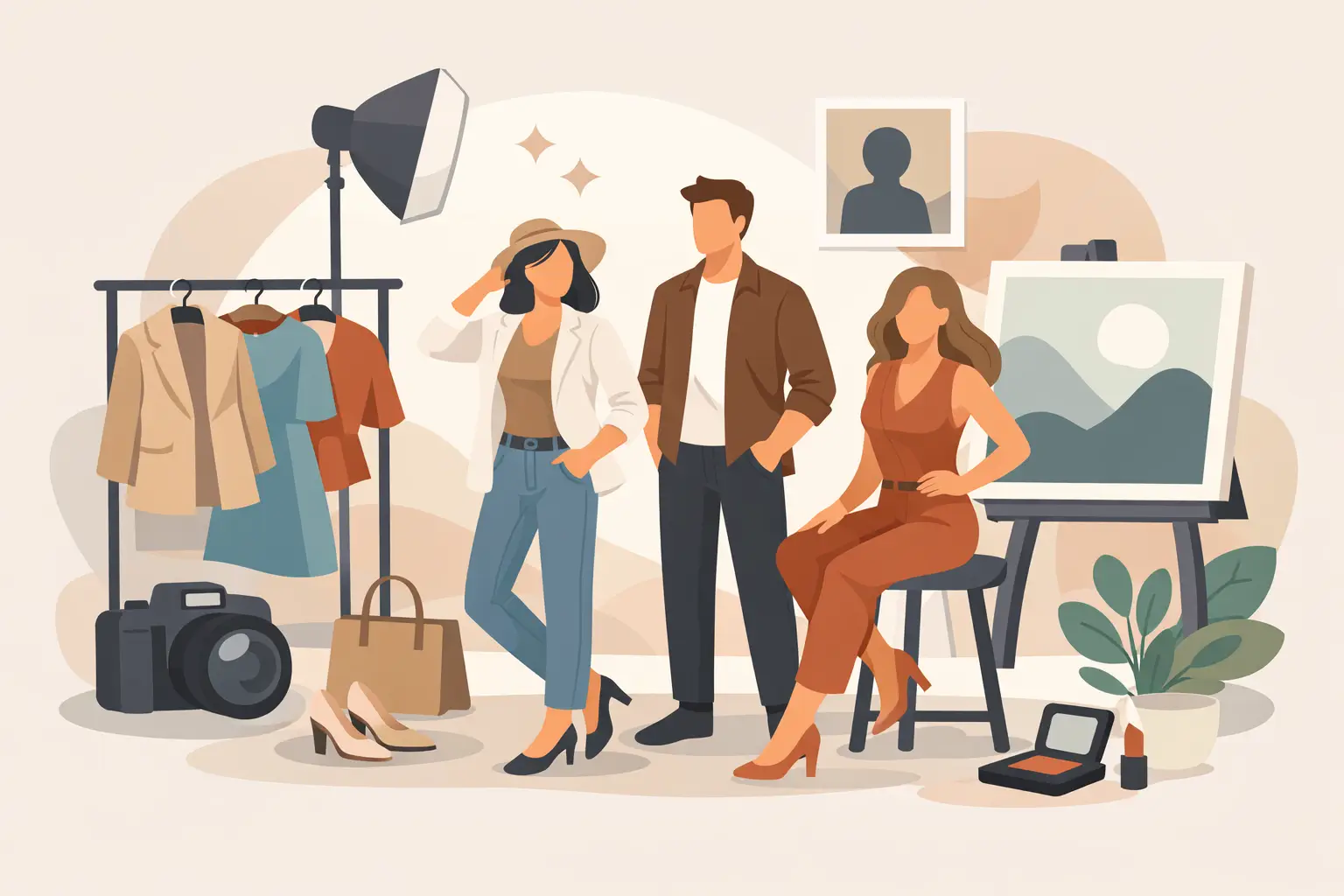
    The camera notices everything – the line of a neckline, the weight of a fabric, the confidence that shows up when an outfit feels unmistakably right. If you are planning a personal brand session, choosing the best outfits for branding photos is not about chasing trends. It is about selecting pieces that reflect your authority, your personality, and the way you want clients to remember you.

    Branding portraits work hardest when they feel intentional. The right wardrobe can make you look more polished, more approachable, more elevated, or more creative, depending on your goals. The wrong wardrobe can do the opposite, even if the clothing is beautiful in real life. That is why outfit planning deserves the same level of care as hair, makeup, and location.

    What makes the best outfits for branding photos?

    The best branding wardrobe does two things at once. It flatters you on camera, and it communicates something useful about your brand.

    That second piece matters more than many people expect. A luxury real estate advisor may want crisp tailoring and refined neutrals because they suggest confidence and discernment. A wellness founder may lean into softer structure and organic tones to feel grounded and inviting. A creative entrepreneur may want one polished look and one more expressive option to show range. There is no single perfect formula. There is only the outfit that supports the message you want your images to carry.

    Fit is the first standard. If a garment pulls, gaps, wrinkles awkwardly, or needs constant adjusting, it will show. Clothing that skims the body and holds its shape tends to photograph beautifully because it creates clean lines. Tailoring is often the quiet difference between an outfit that looks expensive and one that feels unfinished.

    Fabric is a close second. Structured materials such as crepe, suiting, silk blends, and substantial knits usually photograph better than clingy jersey or overly thin cotton. Texture can add depth, but too much shine can catch light in distracting ways. Matte or softly luminous fabrics are often the most elegant choice.

    Start with the role you want your photos to play

    Before you pull anything from your closet, decide where the images will be used. Your website home page, speaking features, social media, press opportunities, and email marketing may all call for slightly different energy.

    If your session is primarily for headshots and website banners, keep the wardrobe refined and timeless. If you need content for regular social posting, you may want a few looks with more personality and movement. If you are rebranding, your wardrobe should support the next version of your business, not the version you have outgrown.

    This is where many women get stuck. They dress for who they have been instead of who they are becoming. Branding photos are not costume play, but they should stretch toward the strongest, clearest expression of your professional identity.

    9 best outfits for branding photos

    1. The tailored blazer and trouser set

    A well-cut suit is one of the most reliable options for branding portraits. It communicates authority without trying too hard, and it works beautifully for coaches, attorneys, consultants, executives, and founders.

    Choose a suit that fits cleanly through the shoulders and waist. Soft white, ivory, camel, navy, charcoal, and black all photograph well, though the best color depends on your skin tone and brand palette. If a full suit feels too formal for your business, wear the blazer over a silk shell or refined knit to soften the effect.

    2. A structured dress with elegant lines

    A dress can be powerful, feminine, and polished all at once. Wrap dresses, sheath dresses, and midi silhouettes with strong tailoring often photograph beautifully because they create shape without visual clutter.

    Look for necklines that frame the face well, such as a soft V-neck, square neck, or bateau. Avoid anything that shifts too easily or requires frequent adjustment. Ease reads as confidence on camera.

    3. A monochromatic look

    Wearing one color head to toe creates an instantly elevated effect. It lengthens the body, looks intentional, and keeps attention on your expression.

    Cream, taupe, navy, chocolate, olive, and black can all work beautifully. Monochromatic dressing is especially effective if you want a luxury feel or if your brand leans minimalist. The key is variation in texture so the outfit still has dimension.

    4. A silk blouse with tailored pants

    This combination strikes a lovely balance between polished and approachable. It is ideal for personal brands that want to feel warm, capable, and sophisticated.

    A blouse with subtle drape softens the portrait, while tailored pants keep the look professional. Tuck the blouse or do a clean front tuck so the silhouette remains defined. This outfit often works well for website portraits, desk scenes, and seated poses.

    5. A refined knit top and pencil or midi skirt

    For women who want a more graceful, feminine alternative to suiting, this is a strong option. A fine-gauge knit feels luxurious on camera and offers softness without sacrificing polish.

    This pairing can be especially flattering for women over 50 because it creates shape while still feeling comfortable and elegant. The skirt should skim rather than cling, and the knit should hold its form. Quality matters here.

    6. Premium denim with a polished top

    Not every brand session needs formal wardrobe from start to finish. Dark, well-fitted denim paired with a blouse, blazer, or elevated knit can feel modern and relatable while still looking refined.

    The word here is premium. Distressing, overly casual washes, and poor fit tend to cheapen the image. If your audience connects with authenticity and ease, this look can be excellent for behind-the-scenes content, lifestyle portraits, and social media use.

    7. A statement dress in your signature color

    If your brand has a strong visual identity, wearing a signature color can be a smart choice. It helps create consistency across your website and marketing materials, and it can make your images instantly recognizable.

    The trade-off is that bold color must still flatter you. A signature hue that looks perfect in branding graphics may not be the most flattering near your face. When that happens, choose a softer or deeper version of the same color family.

    8. A modern jumpsuit

    A beautifully tailored jumpsuit can feel fashion-forward, clean, and confident. It is particularly effective for creative entrepreneurs or women who want something sleek without wearing a dress.

    Look for strong structure through the waist and a leg line that photographs well standing and seated. Jumpsuits are best when they fit impeccably. If they are even slightly off in length or rise, it shows quickly.

    9. A casual luxury layer look

    For lifestyle branding images, layering adds depth and realism. Think a fitted tank or shell under a longline blazer, cardigan, or lightweight jacket with tailored pants.

    This kind of outfit works well when you want natural, in-motion images that still feel elevated. It suggests ease, but with intention. In a polished studio setting, it can create variety without losing sophistication.

    Colors, patterns, and details that photograph well

    Solid colors are usually the strongest choice because they keep the focus on you. Jewel tones, neutrals, and softened earth tones tend to be especially flattering. Stark neon colors can reflect oddly onto the skin, and very bright red can sometimes dominate an image more than intended.

    Patterns are not off limits, but they require discernment. Small busy prints can feel distracting on camera, while large graphics can compete with your face. If you love pattern, choose something subtle, elevated, and consistent with your brand personality.

    Necklines matter more than most people realize. They frame the face and influence how open, strong, or soft an image feels. Jewelry should support the look, not take over. One beautiful earring, a refined necklace, or a signature ring often does more than multiple competing pieces.

    What to avoid when choosing branding outfits

    Anything that needs constant fixing is a poor choice, no matter how beautiful it is. Strapless tops, very short hemlines, thin fabrics, and garments that wrinkle the moment you sit can add stress to the session and limit posing.

    Logos are another common misstep unless they are an intentional part of your business identity. The same goes for trendy pieces that may feel dated in a year. Branding images should have staying power.

    It is also wise to avoid bringing only one version of yourself. Many of the strongest sessions include a range of looks, from authoritative to approachable. That range gives you more flexibility across platforms and seasons.

    The smartest way to plan your wardrobe

    Aim for three to five outfits that each serve a clear purpose. One should feel polished and elevated. One can feel softer or more approachable. One can show personality or creative edge. Beyond that, it depends on how many final images you need and how you plan to use them.

    Lay everything out in advance, including shoes, undergarments, jewelry, and layers. Nude, black, and strapless undergarments solve many wardrobe issues, but they should be chosen for the specific garments you are wearing. Steam everything. Try each outfit on fully. Sit in it, stand in it, and move in it.

    At Franklin Photography Studios, wardrobe guidance is part of creating portraits that do more than look beautiful. The goal is to help you feel fully prepared, exceptionally confident, and aligned with the story your brand is telling.

    The best branding outfit is the one that lets your presence lead. When your clothing supports your confidence instead of competing with it, the camera captures something far more valuable than style alone – it captures your essence.

  • When Should You Book Maternity Photos? A Luxury Arizona Guide

    Celebrate This Season

    Maternity photography is about more than documenting a date on the calendar. It is a chance to preserve the beauty, anticipation, and strength of this chapter in a way that feels elegant, personal, and timeless. For many clients in Arizona, the biggest question is not whether to schedule a session, but when to do it.

    In most cases, the ideal time for maternity photos is between 28 and 34 weeks. During this window, your baby bump is usually beautifully visible, while many mothers still feel comfortable enough to move, pose, and enjoy the experience. Every pregnancy is different, so the right timing can also depend on your energy level, whether you are expecting multiples, and the overall look you want for your portraits.

    Why Timing Matters

    Scheduling too early can mean your bump is not as defined in photos. Waiting too long can make the session more physically demanding, especially in the Arizona climate. Choosing the right timeframe helps create a relaxed session with flattering images and a more enjoyable experience from start to finish.

    The best maternity portraits happen when you still feel comfortable, confident, and fully present in the moment.

    Best Timeframe

    • 28 to 34 weeks: The most common recommendation for a balanced mix of comfort and a beautifully visible bump.
    • Earlier sessions: May be a good fit for twins, high-risk pregnancies, or clients who want to plan ahead conservatively.
    • Sunrise or sunset dates: Especially helpful for outdoor Arizona sessions with softer light and a more refined look.

    How To Prepare

    Once you have a general timeframe in mind, it is best to book your session several weeks in advance. This gives you time to coordinate wardrobe, choose a location, and create a look that feels aligned with your style. A polished maternity session should feel effortless, but the most elevated results always begin with thoughtful planning.

    At FranklinPhotographyAz.com, the goal is to create maternity portraits that feel sophisticated, feminine, and deeply personal. Whether you want something soft and intimate or more editorial and refined, planning your session at the right time helps ensure images you will treasure long after this season has passed.

    Ready To Plan?

    If you are considering maternity photos in Arizona, booking during your second trimester is often the best way to secure your preferred date and begin planning a session that feels calm, luxurious, and beautifully tailored to you.